Your Volkswagen’s water pump is essential to keeping the cooling system working properly. It circulates coolant through the engine, radiator, and heater to prevent overheating. When a Volkswagen water pump replacement becomes necessary, it’s not something to delay. A failing pump can lead to engine overheating, which causes far more expensive damage down the line. At Shire Tune & Service in Kirrawee, we see this issue regularly across VW models, from Golf and Passat to Jetta and Beetle variants. Catching the problem early and addressing it with a professional water pump replacement protects your engine and keeps your car reliable.
Warning Signs Your Volkswagen Water Pump Is Failing
The first hint that your water pump needs attention is often coolant leakage. You might notice a small puddle under your car where you’ve parked, or spot fluid weeping from the front of the engine around the pump housing. Another common sign is a grinding or squealing noise from the front of the engine, especially when the engine is cold or under load. This typically means the pump’s bearing is wearing out. Some Volkswagen owners also experience temperature gauge fluctuations or a slow rise to normal operating temperature, which can signal pump impeller degradation.
- Visible coolant leaks beneath the vehicle or around the pump housing
- Grinding, squealing, or whining sounds from the front of the engine
- Erratic temperature gauge readings or slow warm-up cycles
- Sweet-smelling coolant odour near the engine bay
- Engine overheating during normal driving or in traffic
If you notice any of these symptoms, it’s worth having the cooling system inspected before the pump fails completely. A water pump that seizes or disintegrates can cause the serpentine belt to snap, leaving you stranded.
Volkswagen Water Pump Replacement: What We Do
When you bring your VW to us, we start with a visual inspection of the cooling system and listen for any pump noise while the engine runs. Using our up-to-date diagnostic equipment, we check coolant condition and system pressure to confirm the pump is the culprit rather than a thermostat, hose, or radiator issue. Volkswagens are prone to coolant leaks at the pump seal, and the pump itself can wear at different rates depending on your model year and how hard the engine works.
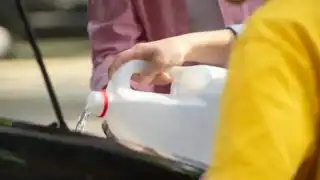
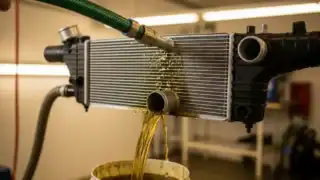
Once we’ve confirmed the diagnosis, we remove the serpentine belt, drain the coolant safely, and unbolt the pump from the engine block. Volkswagen water pumps vary by engine type, so we make sure we install the correct OEM-specification or genuine-equivalent pump that matches your vehicle’s exact engine. We always replace the thermostat housing gasket and thermostat at the same time, since these are in the same location and often reach the end of their life together. It’s far more cost-effective to replace them now than to have you back in a few months with another coolant leak.
Before reassembly, we inspect the serpentine belt for wear and cracking. If it’s due for renewal, we’ll flag that so you can authorise it at the same visit. We refill the cooling system with the correct coolant blend for your VW model, bleed air from the system, and run the engine to verify there are no leaks and the temperature gauge settles at normal operating range.
What Affects Cost and Time for Your Volkswagen Coolant Pump Replacement
Several factors influence the scope and cost of a Volkswagen water pump replacement. Engine layout matters. Transverse-mounted engines in compact VW models like the Golf are typically quicker to access than some longitudinal setups in larger Volkswagens. Parts availability usually isn’t an issue with common European makes like VW, but if your car is older or has a less common engine variant, we might need to source parts, which can add a day or two.
Whether you choose genuine OEM parts or quality aftermarket equivalents also affects pricing. We stock both options and can advise on longevity and warranty implications for your specific model. If the serpentine belt, thermostat, or hoses need renewal at the same time, this adds to the job scope. We’ll always photograph the findings and discuss any additional work before proceeding, so you’re never surprised.
Generally, a straightforward Volkswagen water pump replacement takes between three to five hours, depending on engine access and whether additional components need attention. We’ll give you a clear timeframe once we’ve inspected the vehicle.
Why Shire Tune & Service for Your Volkswagen Cooling System Work
We’ve been servicing European vehicles like Volkswagen for over 18 years in Kirrawee and the surrounding Sutherland Shire. Our workshop is equipped with the latest diagnostic tools designed to read Volkswagen-specific fault codes and monitor live sensor data during testing. This means we pinpoint cooling system faults accurately and avoid unnecessary parts replacement.
We use genuine parts or specification-matched alternatives that protect your Volkswagen’s manufacturer warranty and ensure long-term reliability. Our honest, transparent approach means no upselling and no surprise invoices. You’ll know exactly what’s needed and why before we start work. With over 30 years’ combined hands-on experience in the trade, we understand the quirks of different VW engine generations and common failure patterns. We’re owner-operated, so you’re dealing with continuity and accountability.
Every water pump replacement includes a full cooling system inspection at no extra cost, plus we’ll review your vehicle’s logbook servicing schedule to make sure you stay on track with manufacturer recommendations.
Book Your Volkswagen Water Pump Replacement in Kirrawee Today
If your Volkswagen is showing signs of a failing water pump or you’d like a cooling system inspection, get in touch. Call Us Today to discuss your symptoms, or Book Your Free Inspection online. We’re here to keep your VW running reliably at Shire Tune & Service in Kirrawee.