30+ Years Experience
Honest, Clear Pricing
5.0★ Rating
All Makes & Models

5.0 (Verified Reviews)

Professional Japanese Vehicles Cooling System Repair In Kirrawee

Overheating, leaks or warning lights in your Japanese vehicle. We diagnose and repair cooling systems to factory specifications, keeping your engine reliable.

Expert Diagnostics

Honest Advice

5.0★ Rating

Japanese Cooling Experts

Book Your Free Inspection

Fill in the form and we'll be in touch to confirm your booking.

Booking Form
  • Vehicle Details
  • Confirm Vehicle
  • Services
  • Contact Details
No Upselling
Fair, Clear Pricing
Local & Experienced

Why Book With Us

Book Your Free Inspection
Drop Off Your Car
We Get to Work
Back on the Road

Your cooling system is what keeps your Japanese vehicle running at the right temperature, whether you’re driving through Kirrawee or heading out across the Shire. Japanese vehicles cooling system repair isn’t just about fixing leaks or replacing a thermostat—it’s about maintaining the reliability that Japanese engineering is built on. When the cooling system fails, you’re looking at overheating, potential engine damage, and a car that won’t get you where you need to go. Understanding how to spot problems early and knowing what’s involved in a proper repair can save you thousands in engine work down the track.

Common warning signs your Japanese vehicle needs cooling system attention

Most owners don’t think about their cooling system until something goes wrong. By then, the problem is often more serious than it needs to be. Learning to recognise the early warning signs means you can get the work done before real damage happens.

  • Temperature gauge running higher than normal, especially in traffic or on hot days
  • White or coloured fluid leaking under the car (coolant, not water)
  • Sweet smell coming from under the bonnet
  • Coolant loss between services with no visible leaks
  • Fluctuating temperature gauge or needle moving into the red zone
  • Steam or mist from under the bonnet
  • Soft or spongy feel when you press the accelerator under load
  • Overheating warning light on the dashboard

Japanese vehicles, whether Toyota, Mazda, Honda, Nissan, or Subaru, all rely on precise temperature control to run efficiently and reliably. Even a small coolant leak or a failing thermostat can throw off that balance and lead to overheating. If you’ve noticed any of these signs, don’t wait—get the system inspected before you end up stranded.

What happens when we diagnose and repair your cooling system in Kirrawee

Japanese vehicles cooling system repair starts with a proper diagnosis. We use up-to-date diagnostic equipment to pinpoint exactly what’s wrong rather than guessing or replacing parts that aren’t faulty. This approach saves you money and keeps you confident that the work being done is actually necessary.

Our inspection process covers the full system:

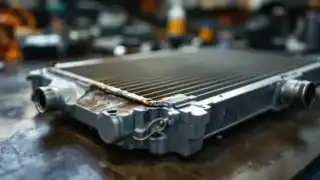
  • Visual inspection of hoses, connections, and the radiator for cracks, corrosion, or leaks
  • Pressure testing to find internal or external leaks that aren’t immediately visible
  • Thermostat function check using diagnostic scan tools to confirm proper operation
  • Water pump condition assessment, including listening for bearing noise or signs of seal failure
  • Coolant condition analysis—age, concentration, and contamination levels
  • Fan operation and temperature switch testing to make sure the cooling fan engages at the right point

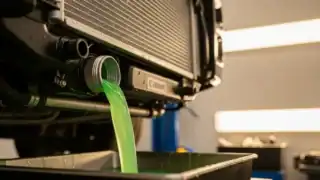
Depending on what we find, repair work might include flushing and refilling the coolant system with the correct OEM-specification fluid for your make and model, replacing a leaking hose or water pump, reseating or replacing the thermostat, or repairing corroded radiator tanks. Japanese vehicles often use specific coolant types—some require long-life pink or blue fluids that differ from older conventional green coolant—so getting the right fluid matters. We use genuine or OEM-equivalent parts matched to your vehicle’s original specifications, which protects your warranty and makes sure the system works as designed.

Understanding cost and time for cooling system work

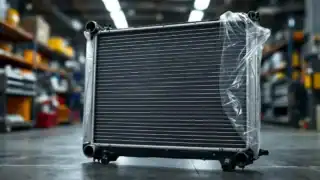
The cost of Japanese vehicles cooling system repair depends on what the problem actually is. A simple coolant flush and refill takes a couple of hours and is relatively affordable. Replacing a leaking hose might add an hour or two. A water pump or radiator replacement takes longer because those parts sit deeper in the engine bay, and you may need to remove other components to access them safely.

Parts availability rarely delays the job—cooling system components for Japanese vehicles are usually in stock or available within a day or two. If we need to order something specific, we’ll let you know upfront so there are no surprises. We use genuine parts where they’re the right choice for reliability, and quality aftermarket equivalents where they offer comparable durability at better value. The decision is yours, and we’ll explain the difference honestly before we start.

Turnaround time varies based on the repair scope and our current workload. A straightforward service might be done same-day. A more involved repair like a radiator replacement may take a day or two. We’ll give you a clear timeframe before work begins.

Why Shire Tune & Service handles your Japanese vehicle’s cooling system

We’ve been servicing Japanese vehicles across Kirrawee and the Sutherland Shire for over 18 years. That’s not just longevity—it’s familiarity. We know how Toyota radiators differ from Mazda ones, we understand Subaru’s cooling system quirks, and we’re familiar with the specific maintenance schedules and fluid requirements for Honda, Nissan, and Mitsubishi models in the local area. Over 30 years of hands-on experience means we’ve seen these systems in every state of repair, from routine maintenance to complex faults that need careful diagnostics.

Our workshop uses the latest diagnostic equipment to scan your vehicle’s engine computer and confirm cooling system faults before we start pulling things apart. This cuts down guesswork and unnecessary parts replacement. We explain what’s wrong in plain language, show you the problem if we can, and give you honest advice about what actually needs fixing. You’ll never be sold work you don’t need. Pricing is transparent—we quote upfront, and you’ll know exactly what you’re paying for before we touch your car.

Because we specialise in Japanese vehicles alongside European makes, we’re familiar with logbook servicing requirements and keeping your warranty intact. Genuine parts, proper fluid specifications, and certified workmanship mean your repair is covered under Australian consumer law protections and won’t compromise any manufacturer warranty you hold.

Next steps for your cooling system repair

If you’ve spotted overheating signs or noticed coolant leaks, don’t put it off. Call Us Today to describe what you’re seeing, or Book Your Free Inspection online. We’ll get your Japanese vehicle back to reliable running temperature and keep you safe on Kirrawee roads and beyond.
Other Services

Whatever your needs we have you covered, see some similar services below or click "See All Services" to explore our full service offering.

Your Trusted Local Mechanic in Kirrawee

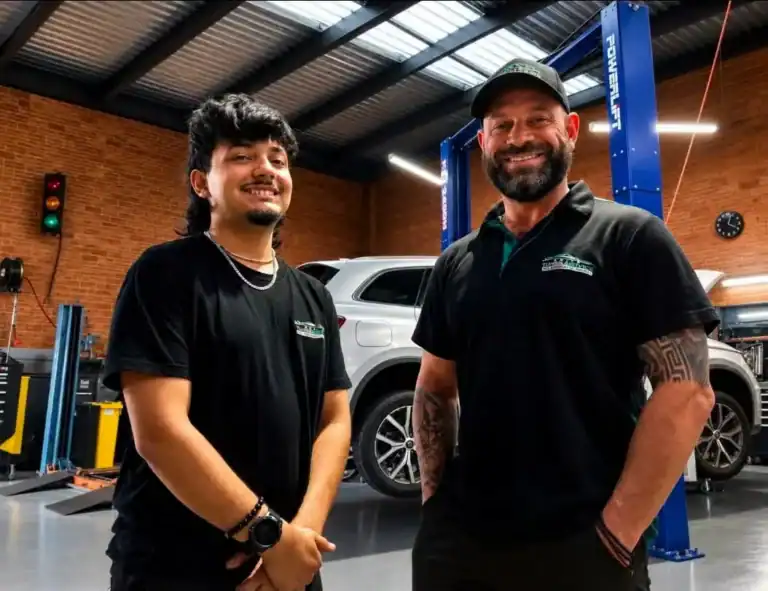
We've been looking after cars in Kirrawee and the Sutherland Shire for over 18 years. Owner-operated, honest to the core, and equipped to handle European and Japanese vehicles properly.

30+ Years of Hands-On Experience

Deep experience across European and Japanese makes means faster, more accurate diagnosis.

Honest Pricing, No Surprises

Bring your vehicle in and we’ll assess it and explain exactly what’s needed.

Japanese Cooling System Warranty

We back all cooling repairs with a warranty that protects your Japanese vehicle.

How Japanese Cooling System Repair Works

From diagnosis through handover, we identify and fix cooling problems in your Japanese vehicle quickly and professionally.

Step 1

Book Your Free Inspection

Book your free inspection to diagnose cooling system faults and understand what repairs your vehicle needs.

Step 2

Cooling System Diagnostic Scan

We scan your Japanese vehicle's cooling system, checking temperature sensors, thermostat function, and fluid condition.

Step 3

Cooling System Repair

We replace faulty components, flush with appropriate coolant, and verify all connections are secure and leak-free.

Step 4

System Test and Handover

We run a full cooling cycle test, confirm stable temperatures, and return your vehicle ready for reliable operation.

What Our Customers Say

5.0 (Verified Reviews)

Quality Parts From Trusted Suppliers

We source parts from reputable suppliers to keep your vehicle running reliably. Quality components, fitted right the first time.

Book Your Free Inspection

Fill in the form and we'll be in touch to confirm your booking.

Booking Form
  • Vehicle Details
  • Confirm Vehicle
  • Services
  • Contact Details
No Upselling
Fair, Clear Pricing
Local & Experienced

Why Book With Us

Book Your Free Inspection
Drop Off Your Car
We Get to Work
Back on the Road

Got Questions? We Have Answers

Browse the answers below to find what you need. If your question isn't listed, give us a call and we'll sort it out.

We inspect your radiator, thermostat, water pump, hoses, and coolant condition using diagnostic equipment to identify the fault. Depending on what we find, repair might involve flushing old coolant, replacing a failed thermostat or water pump, sealing a leak, or replacing the radiator itself. We’ll explain what’s needed before we start work, so you know exactly what you’re paying for and why.

Watch for the temperature gauge climbing into the red zone, steam from under the bonnet, puddles of coolant under your car, or a sweet smell coming from the engine bay. Some Japanese vehicles show warning lights on the dash when the coolant temperature is too high. If you notice any of these signs, stop driving and have it checked promptly. A failing cooling system can lead to engine damage quickly, which is expensive to fix.

Simple fixes like a thermostat replacement typically take 1-2 hours. A radiator replacement or water pump job can take 3-4 hours depending on your vehicle’s layout. If we need to flush the system and refill it, that adds time as well. We’ll give you a realistic timeframe once we’ve diagnosed the issue, so you’re not left guessing how long to wait.

Generally under ACCC guidance, having an independent workshop service your vehicle doesn’t automatically void your manufacturer warranty, provided the work is done properly and with quality parts. However, warranty rules can vary by manufacturer and the specific terms of your vehicle’s warranty. We recommend checking your warranty documents or contacting your manufacturer directly to confirm your coverage. We use quality parts and keep detailed service records for your protection.

The most common culprits are aged hoses that crack or split, corroded radiator tanks, a faulty water pump seal, or loose hose clamps. Japanese vehicles often develop leaks as the coolant system ages and components wear. High mileage and irregular coolant flushes can speed up corrosion inside the radiator. We can locate the leak quickly using pressure testing, then replace the damaged component to stop the problem for good.

Most Japanese vehicles need a coolant flush and system check every 40,000 to 100,000 kilometres, depending on the model and coolant type. Check your vehicle’s service schedule or logbook for the exact interval. Regular flushing removes old coolant that loses its protective properties and can cause rust inside the system. We’ll recommend a service schedule based on your vehicle’s age and mileage when you bring it in.

Yes, we specialise in Japanese vehicles and have the diagnostic tools and expertise to repair cooling systems for most makes. We work on vehicles from all Japanese manufacturers, and we’re familiar with the common issues and specifications for each brand. Our workshop in Kirrawee is equipped to handle Japanese Vehicles Cooling System Repair efficiently. Bring your car in for a free inspection, and we’ll identify exactly what needs to be done and give you honest advice on the best course of action.

We use quality OEM-equivalent parts that match your vehicle’s original specifications, which provide the same reliability and performance as genuine manufacturer parts at fair pricing. For cooling systems especially, using the correct coolant type and quality hoses is critical to prevent leaks and corrosion. We’ll discuss part options with you before we start, so you understand what you’re getting and why we’ve chosen those parts.

Continue to site