30+ Years Experience
Honest, Clear Pricing
5.0★ Rating
All Makes & Models

5.0 (Verified Reviews)

Dependable Hyundai Tailshaft Repair In Kirrawee

Tailshaft problems cause vibration, clunking, and driveline noise. We diagnose the fault, repair or replace the shaft, and test it thoroughly to restore smooth operation.

Expert Diagnostics

Honest Advice

5.0★ Rating

Hyundai Tailshaft Experts

Book Your Free Inspection

Fill in the form and we'll be in touch to confirm your booking.

Booking Form
  • Vehicle Details
  • Confirm Vehicle
  • Services
  • Contact Details
No Upselling
Fair, Clear Pricing
Local & Experienced

Why Book With Us

Book Your Free Inspection
Drop Off Your Car
We Get to Work
Back on the Road

A tailshaft connects your Hyundai’s transmission to the rear differential, transferring engine power to the wheels. When it develops play, cracks, or bearing wear, you’ll feel vibration through the cabin and steering wheel, especially at highway speeds. Hyundai tailshaft repair in Kirrawee addresses these faults before they damage the gearbox or leave you stranded. We diagnose the root cause using targeted inspection and, where needed, specialised lifting equipment to isolate vibration sources and confirm whether the shaft itself, its bearings, or the universal joints are at fault.

Signs Your Hyundai Tailshaft Needs Repair

Tailshaft problems announce themselves clearly once you know what to listen and feel for. Most owners notice them first at highway cruising speeds, where vibrations become more pronounced. Early detection keeps repair costs lower and prevents secondary damage to the transmission or differential.

  • Strong vibration through the floor or steering wheel, worse at certain speeds
  • Clunking or knocking noise from underneath the vehicle when accelerating or decelerating
  • Grinding or squealing sounds from the rear axle area
  • Visible play or movement in the shaft when you turn the wheel side to side
  • Oil leaks around the transmission output seal or differential pinion seal
  • Difficulty engaging or disengaging gears smoothly

If you notice any of these signs in your Hyundai, the tailshaft and surrounding components need professional inspection. Delaying diagnosis often means secondary wear spreads to the transmission or bearings, turning a straightforward repair into a costlier job.

How We Diagnose and Repair Hyundai Tailshaft Problems

Our diagnostic process for Hyundai vehicles follows the manufacturer’s service approach, using modern lifting equipment and hands-on inspection to pinpoint the exact fault. We don’t guess; we measure and test.

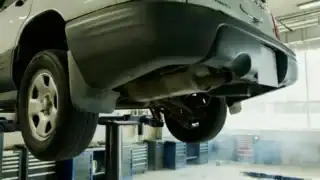
First, we safely lift your Hyundai and visually inspect the tailshaft for cracks, corrosion, or visible damage. We check the universal joints for play by hand and examine the centre bearing (if your model uses one) for movement or noise. We also inspect the transmission output seal and differential pinion seal for leaks, as these often fail alongside tailshaft wear.

Next, we test-drive your vehicle to reproduce the vibration and confirm its speed range and severity. This helps us rule out other sources such as unbalanced wheels, worn suspension bushes, or engine mounts that can feel similar to a driveline fault.

Once we’ve isolated the problem, we advise you on the repair options. For worn universal joints or bearings, we can often rebuild or replace the affected component rather than the entire shaft, which saves money. For cracked shafts or severely worn centres, replacement with a genuine Hyundai unit or quality equivalent is the best long-term fix. We always use OEM-specification parts and fasteners to ensure your Hyundai’s warranty protection remains intact and the repair meets manufacturer standards.

Cost and Time: What Affects Your Repair

Several factors influence the cost and turnaround time for Hyundai tailshaft repair. A straightforward universal joint replacement may take half a day, while a full shaft replacement with differential seal work can take longer depending on what else we find during removal.

Labour time varies by Hyundai model. Some configurations are more accessible than others, and if corrosion or seized fasteners complicate removal, work takes longer. Parts availability also matters: genuine Hyundai tailshafts are usually in stock or arrive within a few days, but if you’ve chosen a quality aftermarket equivalent, lead times may vary slightly.

We’re transparent about these variables upfront. You’ll know what we’re doing, why, and what it will cost before we begin. No surprises, no pressure to replace parts you don’t need. If a repair is more complex than first inspection suggests, we’ll contact you and discuss options rather than charging you without warning.

Why Kirrawee Drivers Trust Shire Tune & Service for Hyundai Repairs

We’ve been servicing and repairing Hyundai vehicles across the Sutherland Shire for over 18 years. Our team understands Hyundai platforms, common wear patterns, and OEM service standards. We invest in the right diagnostic equipment and keep up with Hyundai’s evolving repair procedures, so your car gets the same quality of work you’d receive at a dealership, without the dealership price tag or the sales pressure.

We specialise in Japanese vehicles including Hyundai, and we use genuine parts that protect your warranty. Our owner-operator approach means you get consistent, honest advice from someone who’s been turning wrenches for over 30 years. We don’t upsell, and we don’t rush jobs to turn them over faster. When your tailshaft needs repair, you’ll get the right diagnosis and the right fix.

Hyundai Tailshaft Repair in Kirrawee: Next Steps

If your Hyundai is vibrating or making noise from underneath, contact us today. Call Us Today or Book Your Free Inspection online. We’ll lift it up, find the fault, and give you a clear picture of what’s needed and what it costs. Shire Tune & Service serves Kirrawee and across the Sutherland Shire with the expertise and fairness your car deserves.
Your Trusted Local Mechanic in Kirrawee

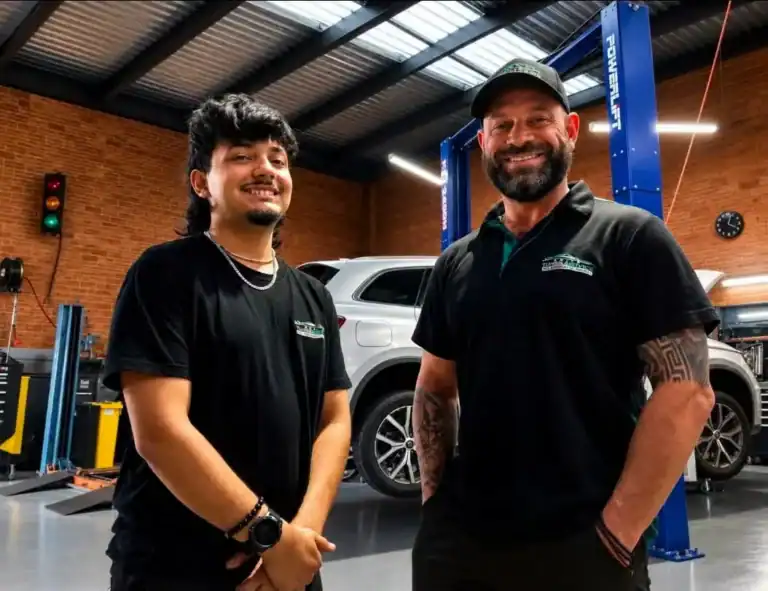
We've been looking after cars in Kirrawee and the Sutherland Shire for over 18 years. Owner-operated, honest to the core, and equipped to handle European and Japanese vehicles properly.

30+ Years of Hands-On Experience

Deep experience across European and Japanese makes means faster, more accurate diagnosis.

Honest Pricing, No Surprises

Bring your vehicle in and we’ll assess it and explain exactly what’s needed.

Hyundai-Specific Diagnostic Tools

We pinpoint tailshaft faults accurately using equipment calibrated for Hyundai specs.

How Hyundai Tailshaft Repair Works

From initial booking through to collection, we handle your Hyundai tailshaft repair professionally and efficiently.

Step 1

Book Your Free Inspection

Book your free inspection to assess your Hyundai's tailshaft for vibration, noise, or wear issues.

Step 2

Hyundai Tailshaft Diagnosis

We inspect the tailshaft, bearings, and U-joints using Hyundai-spec diagnostics to pinpoint damage accurately.

Step 3

Tailshaft Repair & Replacement

We repair or replace the tailshaft with genuine parts, ensuring smooth power delivery and balanced operation.

Step 4

Final Check & Collection

We test drive your Hyundai to confirm smooth operation, then notify you it's ready for collection.

What Our Customers Say

5.0 (Verified Reviews)

Quality Parts From Trusted Suppliers

We source parts from reputable suppliers to keep your vehicle running reliably. Quality components, fitted right the first time.

Book Your Free Inspection

Fill in the form and we'll be in touch to confirm your booking.

Booking Form
  • Vehicle Details
  • Confirm Vehicle
  • Services
  • Contact Details
No Upselling
Fair, Clear Pricing
Local & Experienced

Why Book With Us

Book Your Free Inspection
Drop Off Your Car
We Get to Work
Back on the Road

Got Questions? We Have Answers

Browse the answers below to find what you need. If your question isn't listed, give us a call and we'll sort it out.

Your tailshaft (also called a propshaft or drive shaft) transfers power from your transmission to the rear wheels. Hyundai Tailshaft Repair becomes necessary when you notice vibration at certain speeds, clunking sounds when accelerating or braking, or visible damage to rubber bushings or joints. A worn tailshaft can affect drivability and, if ignored, may cause complete loss of power to the wheels. We inspect the entire assembly, including universal joints and bearings, to identify what needs repair or replacement.

Cost depends on the severity of damage and which components need attention. A simple bushing replacement costs less than a full tailshaft replacement. We’ll inspect your vehicle and provide a transparent quote before any work begins, so you’ll know exactly what you’re paying for. Parts, labour, and whether we’re repairing or replacing the entire assembly all factor into the final cost. We won’t surprise you with extras.

Most tailshaft repairs take between 2 to 4 hours, depending on the fault and whether parts need to be sourced. In some cases we can complete the work same-day if parts are in stock. Complex rebuilds or full replacements may take longer. We’ll give you a realistic timeframe when you bring your vehicle in or when you call, and we’ll keep you updated if anything changes.

Watch for vibration that gets worse at specific speeds, a clunking or banging noise from underneath when you accelerate or brake hard, or a rattling sound from the rear of the vehicle. You might also notice the car feels unstable or loose when turning corners. Don’t ignore these signs. A failing tailshaft affects handling and safety, and continuing to drive on a severely damaged one risks breaking it completely and leaving you stranded.

Under Australian Consumer Law, ACCC guidance generally indicates that having your vehicle serviced or repaired by a qualified independent mechanic does not automatically void your manufacturer warranty. However, the specific warranty terms vary between Hyundai models and individual policies, so we recommend checking your warranty document or contacting Hyundai directly to confirm your coverage. We can discuss your warranty position when you book, and we always use quality parts and proper procedures to protect your vehicle.

Hyundai tailshafts generally perform reliably, but we do occasionally see worn universal joints and bushing deterioration, especially in vehicles with higher mileage or those driven on rough roads frequently. The Sutherland Shire’s variable road conditions can accelerate wear on suspension and drivetrain components. If your Hyundai shows tailshaft symptoms, early inspection can prevent more expensive damage. We’re familiar with Hyundai’s drivetrain characteristics and have the diagnostic tools to pinpoint the exact issue.

We lift your vehicle safely and check the entire tailshaft assembly under the car. We inspect universal joints for play, spin the shaft by hand to detect binding, test rubber bushings for cracking or separation, and look for visible signs of damage or wear. We also listen for noises and check whether vibration occurs at certain speeds. If we find a fault, we’ll explain what’s worn and what repair or replacement is needed before we proceed.

It depends on the damage severity. Minor vibration or a small bushing crack might let you drive carefully to a mechanic, but a severely damaged tailshaft or a broken universal joint can make the vehicle unsafe and unreliable. Power loss, sudden noises, or severe vibration mean you shouldn’t delay repair. Driving on a failing tailshaft can cause further damage to the transmission or rear axle. If you’re unsure, get it checked before the next trip.

Tailshafts don’t require routine replacement on a schedule like brake pads do. However, if you notice any vibration, clunking, or unusual noises from underneath, have it inspected immediately. Regular vehicle inspections as part of your logbook service will catch early wear. High-mileage vehicles, those driven frequently on rough roads, or cars towing loads may need more frequent checks. We can advise during your next service visit.

We use quality parts that meet or exceed manufacturer specifications. For Hyundai vehicles, this includes genuine Hyundai components where they’re the best choice, alongside OEM-equivalent parts from trusted suppliers that offer the same reliability at fairer pricing. We won’t compromise on quality, and we’ll always discuss parts options with you before proceeding. Every part we fit carries proper warranty, and your repair work is protected by our service guarantee.

A severely bent tailshaft must be replaced; straightening a damaged shaft is unsafe and won’t restore proper balance or alignment. Slight runout (minor bending) can sometimes be managed, but we’ll advise replacement if structural integrity is compromised. The cost difference between attempting a repair and replacing the assembly is often small, and replacement guarantees reliability. We’ll assess the damage during inspection and recommend the safest, most cost-effective option.

A repair might involve replacing worn universal joints, rebuilding bearings, or fitting new rubber bushings while keeping the shaft itself intact. A replacement means fitting an entirely new tailshaft assembly. Repairs are typically cheaper and faster, making sense for minor wear. Replacements are necessary if the shaft is bent, cracked, or severely damaged. We’ll recommend the right approach based on what we find during inspection, always prioritising safety and value.

Continue to site