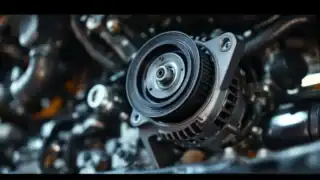
A worn or damaged CV axle is one of those issues that starts small but demands quick attention. Your Hyundai’s CV axle connects the transmission to the front wheels, allowing power to flow smoothly while the suspension moves and the wheels turn. When it fails, your car simply won’t drive properly — and continuing to operate on a broken CV axle risks further damage to your transmission and differential. We service Hyundai vehicles regularly here in Kirrawee, and Hyundai CV axle replacement is one of the most common repairs we perform on Hyundai models, especially as they age past 80,000 to 100,000 kilometres.
How to Tell Your Hyundai CV Axle Needs Replacement
The warning signs of a failing CV axle are usually quite clear once you know what to listen and feel for. The most obvious symptom is a clicking or popping sound that becomes louder when you turn the steering wheel, especially during tight turns. This noise comes from a worn CV joint – the flexible ball-and-socket joint at each end of the axle that allows movement while transmitting power. As the joint wears, the balls inside lose their snug fit and create that telltale clicking as you turn.
Beyond noise, you might notice vibration or shuddering through the steering wheel or the floor of your car, particularly when accelerating or driving at higher speeds. Some drivers report a grinding sensation or notice that their Hyundai feels less responsive when pulling away from a standstill. In more advanced cases, you may feel a sudden loss of drive to one front wheel, especially if an axle has separated partially from the transmission.
- Clicking or popping sounds when turning
- Vibration or shuddering through the steering wheel
- Grease or oil residue on the inside of the wheel rim (torn CV boot)
- Difficulty accelerating or pulling away smoothly
- Loss of power to the front wheels
- Unusual grinding noise from the front of the vehicle
A torn CV boot – the rubber accordion-like seal that protects the joint – is also an early indicator. When the boot fails, the grease inside escapes and moisture enters, causing the joint to wear rapidly. If you notice black grease splattered on the inside of your wheel or tyre, check the CV boots first. Catching a torn boot early can sometimes mean replacing just the boot rather than the entire axle, which saves time and cost.
What Happens During Hyundai CV Axle Replacement in Kirrawee
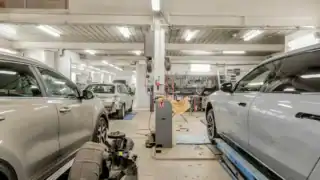
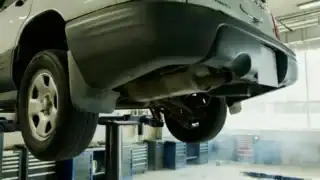
Our approach starts with a thorough inspection. We lift your Hyundai safely on the hoist and spin the wheel by hand to listen for rough spots or play in the joint. We rotate the steering fully lock-to-lock to listen for clicking and check the CV boots for splits or grease escape. This hands-on test tells us immediately whether the joint is worn or if the problem lies elsewhere – sometimes a clicking sound can come from other suspension components, and ruling those out first saves unnecessary work.
Once we’ve confirmed the axle needs replacement, we remove the wheel and brake caliper, unbolt the suspension arm, and extract the damaged axle from the transmission housing and wheel hub. This requires precision – Hyundai uses specific torque specifications for each bolt, and we follow the manufacturer’s procedure exactly. We then install a new or quality remanufactured axle with fresh CV joints and boots, reinstall all fasteners to Hyundai’s torque specifications, and check the suspension alignment.
Because Hyundai uses different axle configurations across its model range – i30, i20, Tucson, Santa Fe, and others all have slightly different specifications – we verify the correct part number before we begin. We use genuine Hyundai parts or equivalent quality replacements that meet OEM specifications. Once installed, we test-drive the vehicle to confirm the clicking is gone, the drive feels smooth, and the suspension is quiet.
What Affects the Cost and Timeline for Your Repair
The main variable is whether we’re replacing one axle or both. Most drivers only need one side replaced, but if both show signs of wear during inspection, replacing both together often makes sense – you’ll avoid a second visit in a few months when the other side fails. Parts availability also plays a role; genuine Hyundai axles are usually in stock or available quickly, but supply can occasionally extend timelines by a day or two.
The condition of the brake components, suspension bushes, and wheel bearings can also influence the overall job. If we discover worn pads or suspension play during the initial inspection, we’ll flag those for you before proceeding. We don’t surprise you with extra costs – we inspect, explain what we find, and let you decide what gets fixed.
Labour time depends on accessibility and whether you need an alignment check afterward. Most single-axle replacements take a morning or early afternoon. We won’t rush the job just to get you out the door, but we won’t keep your car longer than necessary either.
Why Hyundai Owners in Kirrawee Trust Us With This Work
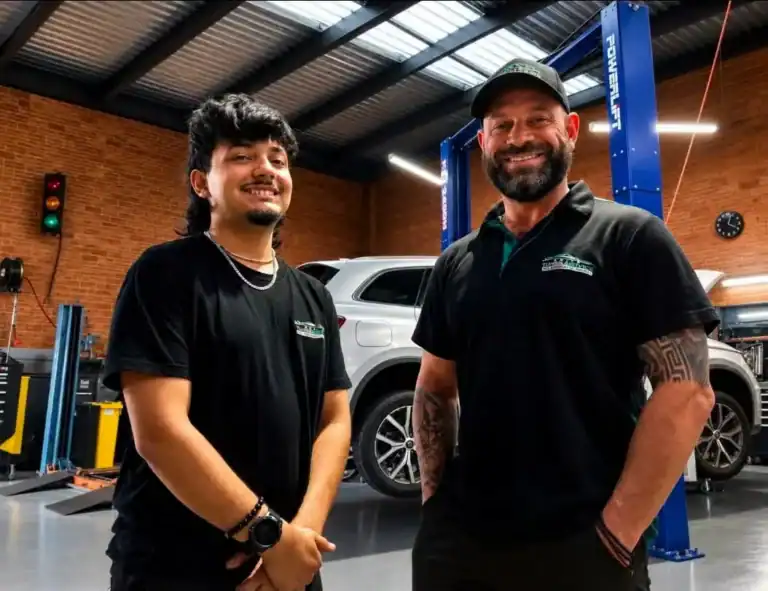
We’ve been servicing Hyundai vehicles for over 18 years in the local area. Our workshop is equipped with up-to-date diagnostic tools and alignment equipment, and we follow Hyundai service procedures precisely. We’re not a dealership, which means you pay fair, transparent pricing without the dealership markup or upsell pressure. We use genuine or equivalent-quality parts that protect your manufacturer warranty, and we explain every step so you understand exactly what’s being done and why.
As a local owner-operator, we take pride in our reputation. Your CV axle replacement will be done right the first time, with parts that last and workmanship that keeps your Hyundai reliable. We’re Japanese vehicle specialists with the diagnostic tools to confirm exactly what’s worn before we quote you any work.
Common Questions About Hyundai CV Axle Repair
Can I drive on a damaged CV axle? Technically, yes – for a short distance – but you shouldn’t. Driving on a broken CV axle creates additional stress on your transmission and differential. The longer you drive, the more expensive the final repair becomes. If your axle fails completely while driving, you’ll lose power to that front wheel suddenly, which is a safety risk.
Is it better to replace one axle or both? If only one side is worn and the other is healthy, replace the one that’s failed. However, CV axles typically wear in pairs as your vehicle ages. If your car has high mileage and one axle has failed, the other is likely not far behind. We’ll inspect both sides and advise you honestly based on what we find.
Will a replacement axle affect my Hyundai’s warranty? No. We use genuine Hyundai parts or equivalent-quality replacements that meet OEM specifications, so your manufacturer warranty remains intact. Using non-OEM parts could void warranty coverage on related systems, which is why we stick to proper parts.
Ready to Get Your Hyundai Back on the Road?
If you’re hearing clicking sounds or feeling vibration in your Hyundai, don’t wait for the axle to fail completely. Call Us Today to describe what you’re experiencing, or Book Your Free Inspection online. We’ll confirm whether the CV axle is the culprit and give you a clear picture of what’s needed. We’re here to keep your Hyundai running smoothly.