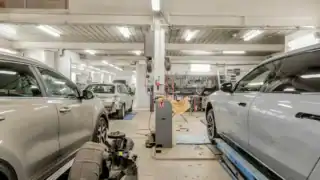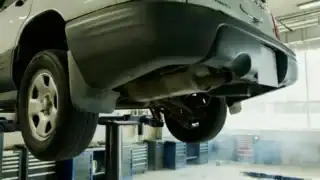
Your Hyundai’s alternator is the engine’s power generator. While the battery gets your car started, the alternator keeps it running and recharges the battery as you drive. Without a working alternator, your Hyundai will drain its battery within minutes and leave you stranded. Hyundai Alternator Repair at Shire Tune & Service in Kirrawee uses Hyundai-specific diagnostic equipment to diagnose and repair alternator faults, ensuring your vehicle’s electrical system stays reliable.
Warning Signs Your Hyundai Alternator Needs Attention
An alternator fault rarely announces itself with a single obvious symptom. Instead, you’ll notice a combination of electrical issues that point back to charging system failure. Learning to recognise these early signs helps you catch the problem before your car stops completely.
- Dashboard warning light shaped like a battery or the letters ‘ALT’ illuminates while driving
- Headlights dim noticeably when idling, brighten when revving
- Interior lights flicker or fade unexpectedly
- Clicking or grinding noise from the engine bay, especially near the alternator mounting point
- Battery drains completely overnight, or the car struggles to start even with a recently charged battery
- Burning smell from the alternator area, indicating friction or electrical overload
- Radio cuts out, instrument cluster flickers, or power windows become sluggish
Hyundai models often show a specific pattern: the warning light comes on during heavy electrical load (air conditioning on, lights on, headlights on) because the alternator cannot keep up with demand. This is different from a dead battery, which affects starting. If your Hyundai’s electrics fail while driving, the alternator is the first system we investigate.
How We Diagnose Alternator Faults at Our Kirrawee Workshop
Diagnosis is where accuracy matters most. A faulty alternator looks identical to a battery problem from the outside, but replacing a good battery when the alternator is failing wastes money and leaves you with the same fault. We use methodical testing specific to Hyundai electrical architecture to pinpoint the real culprit.
Our process begins with a charging system test. We measure voltage output at the alternator with the engine running, checking whether it reaches the correct voltage for your Hyundai model (typically 13.5 to 14.8 volts). We then load the system by turning on headlights, air conditioning, and heated seats to see whether the alternator maintains output under demand. A failing unit will drop below specification under load.
Next, we test for internal faults using Hyundai-specific diagnostic scanning. Newer Hyundai models embed alternator diagnostics in the engine control module, and our tools read these fault codes directly. We can identify whether the alternator is failing to regulate voltage, whether the internal diode pack is damaged, or whether the voltage regulator has failed. This tells us whether repair is possible or replacement is necessary.
We also inspect the serpentine belt, pulleys, and mounting hardware. A worn belt slips and prevents the alternator from spinning fast enough to generate full output. Loose mounting brackets allow the alternator to rattle and damage internal bearings. These mechanical faults are often missed during battery testing, but they’re simple to fix and prevent unnecessary parts replacement.
Finally, we check the battery itself. A weak or failing battery can mask an alternator problem or become worse because a faulty alternator cannot charge it properly. We measure battery voltage and cold cranking amps to confirm whether battery replacement is needed alongside alternator repair.
Alternator Repair vs Replacement: What We Recommend
Internal alternator repairs are rarely practical. The cost of parts and labour for rewinding coils, replacing brushes, or rebuilding the voltage regulator often approaches or exceeds the cost of a replacement unit. For most Hyundai owners, replacement is the sensible choice.
We use genuine Hyundai alternators or quality OEM-equivalent units that meet Hyundai specifications. Genuine parts carry a warranty and are engineered to Hyundai’s exact standards, protecting your vehicle’s electrical balance. We avoid cheap aftermarket alternators because they often fail prematurely and can damage other electrical components if they produce unstable voltage.
During replacement, we always inspect the serpentine belt and pulleys. A worn belt caused the original alternator to work harder and fail early. Replacing the belt at the same time prevents a repeat failure and costs less than a second repair call in six months.
Cost and Timeline for Hyundai Alternator Repair in the Shire
Total cost depends on whether we repair or replace, whether we use genuine or quality aftermarket parts, and whether your Hyundai requires belt replacement. Parts availability is generally quick for Hyundai models, as they’re common throughout the Shire. Labour time for removal and installation is usually 1 to 2 hours, though some models require more complex disassembly.
We always provide a transparent quote before starting work. You’ll know exactly what parts are needed, why we recommend them, and what the cost covers. No surprises, no upselling. If your battery also needs replacement, we’ll discuss that separately so you can decide whether to address it at the same time.
Why Choose Shire Tune & Service for Your Hyundai Alternator Repair
Hyundai vehicles need specialists who understand their electrical architecture. Over 30 years of workshop experience and 18+ years servicing the local Kirrawee and Sutherland Shire community means we’ve seen every Hyundai alternator fault pattern. We use up-to-date Hyundai diagnostic equipment that reads OEM fault codes directly, eliminating guesswork.
Our honest approach protects you from unnecessary parts replacement. We test thoroughly before recommending anything, and we explain what we find in plain language. You’ll know whether the alternator itself is faulty or whether a belt, battery, or wiring issue is the real problem. Many drivers come to us after being quoted for expensive alternator replacement elsewhere, only to find the real fault was a loose battery terminal or worn belt.
We use genuine Hyundai parts wherever possible, and our work protects your manufacturer warranty. Your logbook remains valid, and your car’s electrical system stays properly integrated. As European and Japanese vehicle specialists with the latest diagnostic tools, we’re equipped to handle Hyundai’s advanced electrical systems with precision.
If your Hyundai is showing battery warning lights, dim headlights, or electrical faults, book your free inspection with us today. We’ll test your charging system thoroughly and tell you exactly what needs fixing. Call Us Today or Book Your Free Inspection online to get your Hyundai back on the road reliably.