Your car’s alternator is the engine’s quiet workhorse, converting mechanical energy into electrical power to charge the battery and run everything from the starter motor to the air conditioning. When an alternator fails, you’re left stranded with a dead battery and no way to start the vehicle. Japanese vehicles alternator repair is something we handle regularly here in Kirrawee, and catching the problem early makes the difference between a straightforward replacement and a roadside breakdown.
Signs Your Japanese Vehicle’s Alternator Is Failing
The alternator doesn’t usually fail without warning. Your car will give you clear signals that something’s wrong, and recognising them means you can book in before you’re stuck.
- Battery warning light (red battery icon) on the dashboard stays on while driving
- Dimming headlights, especially when you stop at traffic lights or idle in traffic
- Interior lights fading in brightness during acceleration
- Difficulty starting the engine, or slow cranking when turning the key
- Clicking or grinding noise from under the bonnet
- Burning smell near the engine bay
- Completely dead battery that won’t hold charge even after a jump start
Japanese vehicles like Toyota, Mazda, Honda, Nissan, and Subaru are generally reliable, but their alternators are no exception to wear. The average lifespan is 80,000 to 150,000 kilometres depending on driving conditions and electrical demand. If your car is showing any of these symptoms, a proper electrical diagnostic test is essential to confirm whether the alternator is the culprit or whether the battery itself has failed.
How We Diagnose and Repair Japanese Vehicle Alternators in Kirrawee
We don’t guess at electrical faults. When you bring your Japanese vehicle in with a suspected alternator problem, we run it through our diagnostic equipment to measure the charging voltage, battery condition, and alternator output under load.
Here’s what the process looks like:
Testing and Diagnosis
We start by connecting your vehicle to a multimeter and under-load tester. This tells us whether the alternator is generating the correct voltage (typically 13.5 to 14.5 volts on Japanese vehicles), whether the battery is holding charge, and whether the issue lies with the alternator itself or the regulator that controls it. Many electrical problems get misdiagnosed as alternator failure when the battery is actually dying or a corroded connection is the real cause.
Removal and Inspection
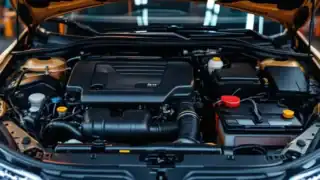
If the alternator is confirmed faulty, we remove it carefully to inspect the brushes, windings, and internal regulator. On some Japanese models, particularly Subarus and Nissans with tight engine bays, alternator access can be tricky. We know these vehicles inside out and work efficiently without cutting corners.
Replacement and Testing
We fit a quality replacement alternator that matches your vehicle’s original specification. Whether we use a genuine OEM alternator or a quality equivalent depends on your preference and budget, but either way, the part will deliver the correct output for your specific Japanese vehicle model. After installation, we test the charging voltage under load again to confirm everything’s working properly before you leave.
What Affects Cost and Repair Time for Japanese Vehicles Alternator Replacement
Japanese vehicles alternator repair cost and how long it takes varies based on a few factors. The make and model matters because some vehicles (like older Honda Civics) have straightforward alternator access, whilst others (some Subaru models) require removing other components first. The time to access the alternator directly affects labour costs.
Parts availability is generally quick for Japanese vehicles because these are popular, well-stocked vehicles. We keep common alternator specifications in stock or can source them within a day. Whether you choose a genuine OEM alternator or an aftermarket equivalent also influences price, though both options are reliable when sourced correctly.
The severity of the fault affects whether it’s just the alternator or whether something else has been damaged. If a failed alternator has caused the battery to drain completely or has left you stranded repeatedly, the battery itself may need replacing too. We’ll identify these issues during diagnosis so you know exactly what needs doing before we start work.
Why Shire Tune & Service for Your Japanese Vehicle Alternator Repair
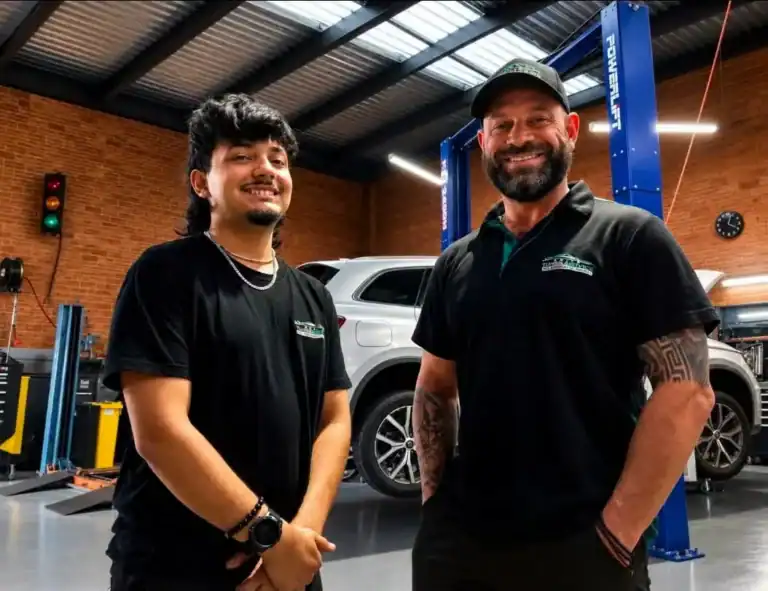
We’re a local, owner-operated workshop with over 30 years’ hands-on experience and 18 years serving the Kirrawee and Sutherland Shire community. Japanese vehicles are a speciality of ours, and we use up-to-date diagnostic equipment to pinpoint electrical faults accurately. That accuracy saves you money because we don’t replace parts that aren’t broken.
Our approach is honest and transparent. We’ll explain what we’ve found, show you the test results, and walk you through your options without upselling. We use genuine parts that protect your vehicle’s warranty and long-term reliability. You’ll know exactly what the repair costs and how long it’ll take before we touch your car.
Japanese vehicles alternator repair isn’t complicated when you have the right tools and know-how. We’ve done thousands of these repairs across Toyota, Mazda, Honda, Nissan, Subaru, and other Japanese brands, and we’ll get your vehicle back on the road reliably. Our 5.0 Verified Reviews speak to the care we take with every job, no matter how routine it might seem.
Get Your Japanese Vehicle Alternator Checked in Kirrawee Today
If your battery warning light is on or your vehicle isn’t starting reliably, don’t wait for a complete breakdown. Call Us Today to describe what you’re experiencing, or Book Your Free Inspection online. We’ll diagnose the problem and give you a clear picture of what needs doing.