Japanese vehicles car air conditioning systems are engineered for precision and efficiency, but they need proper care to stay cool and reliable. Whether you drive a Toyota, Honda, Mazda, Nissan, Subaru, or Mitsubishi, your air con does far more than keep you comfortable on hot days — it removes humidity, improves windscreen demisting, and plays a role in cabin air quality. When your Japanese vehicles car air conditioning isn’t working as it should, we diagnose and repair it properly here in Kirrawee, using diagnostic equipment that reads your vehicle’s specific control modules and sensor data.
Common Signs Your Japanese Vehicles Air Conditioning Needs Attention
Air conditioning problems rarely announce themselves with a single symptom. More often, you’ll notice a combination of small signs that point to an underlying issue. Recognising these early saves you from being stranded in the heat and prevents damage to other cooling system components.
- Weak or no cold air from the vents, even when the compressor engages
- Air that starts cool but gradually warms during driving
- Strange smells — musty, sweet, or chemical odours coming through the cabin
- The compressor cycling on and off rapidly, or not engaging at all
- Unusual noises when the air con is turned on, such as grinding or squealing
- Visible leaks or oily residue under the vehicle near the compressor area
- The air con working only intermittently or only when the car is stationary
Japanese vehicles often show early warning signs before complete failure. Many models use pressure sensors and electronic control modules that can flag problems before they become expensive repairs. If your air con has been serviced before, you might remember the last time it was properly attended to — most manufacturers recommend a thorough check every two years or when symptoms appear.
How We Diagnose and Service Japanese Vehicles Air Conditioning in Kirrawee
Our approach to Japanese vehicles air conditioning diagnostics starts with reading your vehicle’s fault codes and live sensor data using specialist diagnostic equipment. This tells us whether the problem is electrical, mechanical, or refrigerant-related — a distinction that matters enormously for repair cost and complexity.
From there, we perform a systematic inspection covering these key areas:
- Refrigerant charge and pressure testing. We measure high-side and low-side pressures with your engine running at specific RPMs to determine if the system is undercharged, overcharged, or at the correct level. This step alone identifies leaks, compressor wear, and expansion valve faults.
- Compressor function and clutch engagement. We verify the compressor is receiving power, the clutch is engaging smoothly, and the belt is driving it correctly. Japanese vehicles often use electronically controlled compressor clutches that respond to cabin temperature and demand — we test these via the control module.
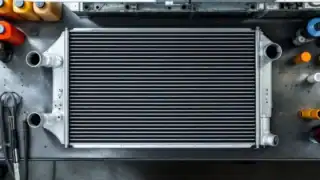
- Condenser and evaporator inspection. We check for blockages, corrosion, and physical damage. Japanese vehicles typically use aluminium condensers that are efficient but vulnerable to salt spray and debris — common in coastal Shire suburbs.
- Expansion device and refrigerant flow. Depending on your model, we inspect the expansion valve or orifice tube, and check that refrigerant is circulating properly and changing state at the right points.
- Electrical circuit testing. We verify relay function, switch continuity, and sensor calibration. Japanese manufacturers use reliable electrical designs, but connector corrosion and blown relays are common failure points.
- Cabin air filter and recirculation system. We inspect the filter for contamination and test the recirculation valve, which switches between fresh and recirculated air — a common source of odour complaints.
Once we’ve identified the fault, we’ll explain exactly what needs to be done and why. Common repairs for Japanese vehicles include refrigerant recharge with proper oil balance, compressor replacement when the internal components have failed, condenser replacement after impact or corrosion, or expansion valve replacement when the system won’t regulate temperature.
What Influences Cost and Repair Time
Several factors determine how much work your Japanese vehicles air conditioning repair will require. The first is the root cause — a simple refrigerant leak found early costs significantly less than a compressor seizure that’s been grinding internally for months. The second is parts availability. For popular models like Toyota Camry, Honda Accord, and Mazda CX-5, we hold common replacement components or source them quickly. Rarer models may require longer lead times.
We stock genuine or OEM-equivalent refrigerant and compressor oil matched to your vehicle’s specification. Mixing the wrong refrigerant type or oil viscosity can damage the compressor and void any repair warranty, so we never cut corners on fluid compatibility. Whether we recommend genuine parts or quality aftermarket alternatives depends on the component, availability, and your budget — we’ll discuss both options before proceeding.
Repair time varies. A straightforward recharge might take an hour. A compressor replacement with condenser flush can take half a day. We’ll give you a realistic timeframe once we’ve completed the diagnosis, so you’re not left guessing when your car will be ready.
Why Shire Tune & Service for Your Japanese Vehicles Air Conditioning
We’ve been servicing Japanese vehicles in Kirrawee and across the Shire for over 18 years, and we understand how these cars are designed and how they age. Our diagnostic equipment can read Japanese manufacturer-specific control modules and fault codes — not all workshops have this capability, and it’s the difference between fixing the right problem and replacing parts that weren’t faulty.
We’re honest about what your air con actually needs. No upselling, no surprises. If a recharge will restore your system, we’ll tell you that rather than pushing an unnecessary compressor replacement. If a component has genuinely failed, we’ll explain why and show you your options. Fair pricing, transparent labour, and parts we stand behind — that’s how we’ve built trust with local families and tradies who rely on their vehicles.
Our workshop specialises in Japanese and European vehicles, backed by over 30 years of hands-on experience. We use the latest diagnostic tools to get to the root cause quickly, and we service all makes and models with the same care and attention to detail.
Keep Your Cool — Book Your Air Conditioning Inspection
Don’t wait until the heat peaks and your air con stops working entirely. If you’ve noticed any of the warning signs above, Call Us Today or Book Your Free Inspection online. We’ll diagnose what’s happening and get you back on the road with cold, clean air flowing through your cabin.