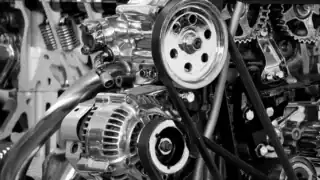
The drive belt is one of those components that quietly keeps your Japanese vehicle running smoothly until the moment it fails. Whether you drive a Toyota, Honda, Nissan, Mazda, or Subaru, your engine relies on this rubber belt to transfer power from the crankshaft to essential systems like the alternator, water pump, power steering pump, and air conditioning compressor. Japanese vehicles drive belt replacement in Kirrawee is something we handle regularly, and catching the problem early can mean the difference between a straightforward service and an unexpected roadside breakdown.
How to Tell Your Drive Belt Needs Replacement
The first sign is usually noise. A squealing or chirping sound from under the bonnet, especially when you start the engine or turn the steering wheel hard, points to belt wear or misalignment. Sometimes you’ll hear it fade after a minute or two as the belt warms up, but that doesn’t mean the problem has gone away. Other warning signs include:
- A visible crack, fray, or glazed appearance when you look at the belt itself
- Loss of power steering responsiveness or a heavier-than-normal steering wheel
- Dim headlights or a flickering dashboard, suggesting the alternator isn’t charging properly
- Engine overheating, which can indicate the water pump driven by the belt isn’t circulating coolant
- A burning rubber smell under the bonnet
Japanese vehicles tend to follow predictable service intervals for belt replacement. Most manufacturers recommend inspection at 60,000 km and replacement between 80,000 and 160,000 km, depending on the model and driving conditions. If you’re not sure where your vehicle sits in that range, we can check it for you during a free inspection and let you know exactly what you’re working with.
What Happens During Japanese Vehicles Drive Belt Replacement in Kirrawee
Replacing a drive belt isn’t just about pulling off the old rubber and fitting a new one. We start by inspecting the belt tensioner and idler pulleys, which guide the belt and keep it tight. If these have started to wear, they can damage a new belt within weeks, so it makes sense to evaluate them now rather than face the same problem again in a few months. On many Japanese models, especially older Toyotas and Hondas, the tensioner is spring-loaded and can fail without obvious warning.
We also check the belt routing diagram specific to your vehicle’s make and model. Toyota, Honda, and Nissan each have slightly different configurations, and getting the routing wrong means the belt won’t seat properly or will rub against components. Using our diagnostic tools, we confirm everything is aligned correctly before you drive off. For vehicles with serpentine drive belts (single belt driving multiple accessories), we ensure the new belt meets OEM specifications for width, length, and ribbing pattern so it functions exactly as the manufacturer intended.
If your vehicle is due for logbook servicing, we can coordinate the belt replacement with your scheduled maintenance to minimise downtime. We use genuine parts or high-quality equivalents that match the original specification, so your warranty remains protected and the belt performs reliably for years to come.
What Affects Drive Belt Replacement Cost and Time
The main variable is access. Some Japanese vehicles have the belt tucked behind covers and other components, which means removing air boxes, fans, or trim panels before we can reach it. A straightforward replacement might take an hour; a more complex job could take two to three hours. We’ll give you a realistic timeframe once we’ve assessed your specific model.
Parts cost depends on whether you choose OEM (original equipment manufacturer) belts or quality aftermarket equivalents. Both are reliable, and we’ll explain the difference so you can make an informed choice. If the tensioner or pulleys need replacement too, we discuss that separately so you know exactly what you’re paying for and why.
Availability is rarely an issue for common Japanese makes like Toyota and Honda, but for less common models, sourcing the correct belt might add a day or two. We’ll confirm availability upfront and keep you in the loop.
Why We Handle Japanese Vehicle Drive Belt Replacement the Right Way
Over 30 years in the trade and 18+ years servicing Kirrawee means we’ve replaced thousands of drive belts on Japanese vehicles. We’ve seen what happens when the job is rushed or done by someone unfamiliar with model-specific quirks. That experience translates to honest advice: we tell you whether your belt can wait another 10,000 km or needs attention now, and we won’t upsell you on work you don’t actually need.
We use up to date diagnostic equipment to measure belt tension accurately and confirm the pulleys are running true. This isn’t guesswork. It’s the same methodical approach we apply to European specialist work, adapted to Japanese vehicles. Every belt replacement protects your manufacturer warranty because we use genuine parts and follow OEM procedures.
As a local owner-operator, we’re invested in your long-term satisfaction, not just the one transaction. You’ll get honest pricing with no surprises, and if something unexpected comes up during the job, we’ll call you first before proceeding. Shire Tune & Service is your Japanese vehicle specialist, and we stand behind every belt replacement we perform.
Book Your Drive Belt Inspection in the Sutherland Shire
If you’ve noticed squealing under the bonnet or your belt is overdue for replacement, call us today or book your free inspection online. We’ll check the belt, tensioner, and pulleys, then walk you through what you need and when. Serving Kirrawee and surrounding areas of the Sutherland Shire, we’re here to keep your Japanese vehicle running reliably.