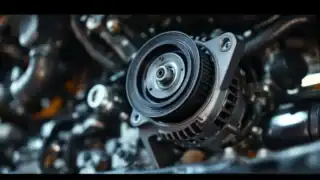
A drive belt connects your engine’s alternator, power steering pump, air conditioning compressor, and cooling fan to the crankshaft. For European vehicles, a worn or failing drive belt becomes essential to replace before the belt snaps and leaves you stranded. Unlike some other maintenance tasks, a broken drive belt is not something you can nurse along until the weekend. If it fails while you’re driving, the alternator stops charging, your power steering becomes heavy, and the engine begins to overheat. We see European vehicles come into our Kirrawee workshop regularly with belt failure complaints, and most could have been prevented with timely inspection and replacement.
Warning Signs Your European Vehicle Needs a Drive Belt Replacement
Drive belts don’t usually fail without warning. Over months of wear, they develop cracks, fray at the edges, or slip on the pulleys. Learning to recognise these signs can save you from a breakdown in heavy traffic or on a remote road.
- High-pitched squealing from the engine bay, especially when you start the car or accelerate hard
- Visible cracks, fraying, or glazing on the belt surface when you pop the bonnet
- Loss of power steering assist, making the wheel feel stiff to turn
- Air conditioning suddenly stops working effectively
- Dashboard warning lights for battery charge or engine temperature rising unexpectedly
- Rough idle or vibration felt through the steering wheel
Some European models have serpentine drive belts that power multiple systems at once. A single belt failure can cascade into several electrical and cooling problems within minutes. That’s why we treat belt wear seriously and check it as part of every service inspection in our Kirrawee workshop.
How Drive Belt Replacement Works for European Vehicles
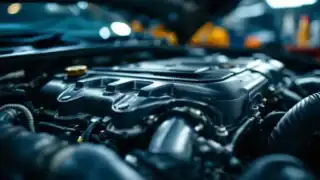
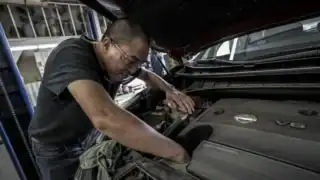
European vehicles often have tighter engine bays than their Japanese counterparts, which means accessing the drive belt can require removing panels, hoses, or other components. We start by identifying which belt or belts need replacement (some European models have multiple serpentine belts), then assess whether any pulleys are worn or damaged.
Using our diagnostic equipment, we measure belt tension and check for proper alignment. If a pulley shows signs of wear, replacing it alongside the belt prevents premature failure of the new belt. This is especially common with idler pulleys and tensioner assemblies, which can wear out at the same rate as the belt itself.
We source genuine or genuine-equivalent parts matched to your vehicle’s specifications. European manufacturers are particular about belt profiles, tooth pitch, and width. Using an incorrect part can cause noise, misalignment, or failure within months. We’ll walk you through the parts choice before we begin, so you understand what you’re getting and why.
Installation involves carefully routing the belt around each pulley following the diagram under your bonnet, tensioning it to the correct specification, then running the engine to confirm smooth operation and silence. A properly installed belt should run quietly and show no slip under full load.
What Influences Cost and Turnaround Time
Several factors affect how long a European vehicles drive belt replacement job takes and what it costs. The position of the drive belt in your engine matters: some are quick to access, others require removing intake manifolds or radiator hoses first. The type of belt your European vehicle uses also varies. A simple single serpentine belt is faster than a vehicle with two or three separate belts, each with its own tensioner.
Pulley condition plays a role too. If we discover a worn tensioner or idler pulley during inspection, replacing it now prevents the new belt from wearing prematurely. We’ll always show you what we’ve found and discuss the options before proceeding. Parts sourcing can occasionally add time if your model requires a specific OEM component, but we stock common European belt sizes and can usually complete the work the same day.
We don’t quote exact timeframes until we’ve inspected your vehicle, because every car is different. What we can promise is transparent communication about what’s needed and why, with no hidden surprises when you collect your keys.
Why Shire Tune & Service for European Vehicles Drive Belt Replacement in Kirrawee
European vehicles have been our focus for over 18 years in the Sutherland Shire, based locally in Kirrawee. We own the latest diagnostic equipment for European makes and understand the specifications and service schedules that European manufacturers expect. Our owner-operator approach means you speak directly with the mechanic doing the work, not a service adviser reading from a script.
We use genuine or OEM-equivalent parts and stand behind our workmanship. A drive belt replacement done right protects your car’s reliability and, crucially, protects your manufacturer warranty. We source parts that meet or exceed European factory standards, so you’re never choosing between cheap and quality. We’re the comfortable middle ground: fair pricing without corner-cutting.
Every minor service we perform includes a free 30-point inspection, which catches belt wear before it becomes urgent. We’ve prevented countless breakdowns simply by catching these issues early. Honesty is built into how we operate: we don’t upsell unnecessary work, and we explain exactly what’s happening and why.
Next Steps
If you’ve noticed squealing from your engine or spotted visible wear on your drive belt, don’t wait for a breakdown. Call Us Today to discuss what you’re experiencing, or Book Your Free Inspection online. We’ll diagnose the issue, explain your options, and get your European vehicle running quietly and reliably again.