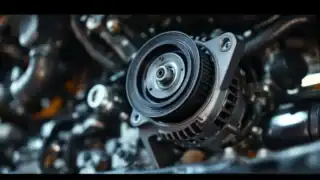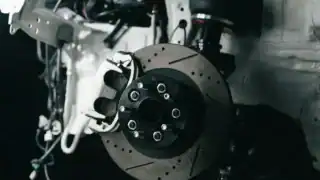
A CV axle is the shaft that connects your car’s gearbox to the front wheels, allowing power to reach them while the suspension moves up and down and the wheels turn. On European vehicles, CV axles are built to handle the demands of precise German and European engineering, but they’re not immune to wear. When a CV axle fails, you lose power to that wheel entirely, and driving becomes unsafe. That’s why we treat European vehicles CV axle replacement as a priority at Shire Tune & Service in Kirrawee. Whether you’re noticing symptoms now or want to prevent a breakdown, understanding what’s involved helps you make the right decision.
What Are the Warning Signs of a Worn CV Axle?
CV axle problems usually announce themselves before they fail completely. The most obvious sign is a clicking or popping noise when you turn corners, especially at full lock. This happens because the constant velocity joint inside the axle has lost its ability to flex smoothly. You’ll hear it most clearly during tight turns in car parks or around roundabouts.
Another common symptom is vibration through the steering wheel or the car’s frame at highway speeds. Some drivers describe a shudder or thump when accelerating hard. If the outer CV joint boot (the rubber covering that protects the joint) has split, grease leaks out and moisture gets in, which speeds up joint wear dramatically. A split boot is often visible if you crouch down and look at the inner edge of your wheel during an inspection.
Less obvious but equally important: if your car pulls to one side under acceleration, or if one wheel spins freely while the other drives normally, the CV axle on that side may be failing internally. European vehicles, particularly German makes like BMW, Mercedes, Audi, and Volkswagen, often show these symptoms early enough that you can book a service before the axle breaks completely.
How We Diagnose and Replace CV Axles on European Vehicles
The first step is a thorough inspection. We lift the car and rotate each wheel by hand while checking for play or resistance in the CV joints. We also look for visible boot damage, torn rubber, or grease splatter on the inside of the wheel. On European vehicles, we use diagnostic techniques tailored to the specific model. Some cars have electronic stability control systems that can trigger fault codes if a CV axle is losing grip; we scan for these as part of the diagnostic process.
Once we’ve confirmed the fault, we remove the wheel, disconnect the brake calliper, and unbolt the strut from the steering knuckle to access the axle. The damaged axle slides out of the gearbox and wheel hub. We then install a new or remanufactured CV axle, torque everything to European OEM specifications, and test the joint under load to ensure smooth operation through full articulation.
For European vehicles, parts alignment matters. We source genuine OEM or equivalent-spec CV axles that match your car’s original specifications. A BMW or Mercedes axle designed for that model will perform better and last longer than a generic aftermarket part. We also replace the CV joint boots if they’re damaged, and we pack new grease into the joints to protect them from moisture and contamination.
The entire job typically involves wheel removal, hub work, torque sequencing, and a test drive to confirm the clicking has stopped and power delivery is smooth. It’s not a quick fix, which is why we don’t rush it.
What Influences Cost and Time for CV Axle Replacement?
Several factors affect the scope of work. Whether you need one axle or both depends on the fault and the age of your vehicle. If one side is clearly damaged and the other is worn but functional, replacing both at once prevents a second failure weeks later. Parts availability varies: genuine European parts sometimes need to be ordered, which adds a few days. Aftermarket alternatives are faster but may not match OEM durability.
The vehicle type matters too. A compact European sedan is faster to work on than a larger SUV or performance model. Access, suspension design, and whether the car has all-wheel drive all affect labour time. We’ll confirm the scope and timeframe once we’ve inspected your specific car.
We don’t charge by the hour like some workshops do; instead, we quote a fair rate for the complete job so you know the cost upfront. No surprises, no upselling parts you don’t need. If your manufacturer warranty could be affected, we’ll explain your options and help you understand what genuine servicing means for your cover.
Why Shire Tune & Service for European Vehicle CV Axle Work
We’ve spent over 30 years working on European and Japanese vehicles, and the last 18 years serving Kirrawee and the Sutherland Shire. European cars are our speciality, which means we understand the specific tolerances, part requirements, and diagnostic quirks that matter for brands like BMW, Mercedes, Audi, Volkswagen, and Peugeot. We invest in the diagnostic tools and technical knowledge needed to get this right the first time.
We also keep genuine parts in stock or order them quickly, so your car gets the right replacement. Our owner-operator approach means there’s no dealership markup, no pressure to upsell, and no rushed timeframes. You get honest advice about whether both axles need replacement, whether an OEM part is worth the extra cost, and what to expect after the repair.
Get Your CV Axle Inspected in Kirrawee Today
If you’ve heard clicking in corners, felt vibration on the motorway, or noticed your European vehicle pulling under acceleration, don’t wait for the axle to snap. Call us today to book your inspection, or book your free inspection online. We’ll diagnose the fault and walk you through your options without any pressure. We’re based in Kirrawee and ready to get your car back to safe, reliable driving.