30+ Years Experience
Honest, Clear Pricing
5.0★ Rating
All Makes & Models

5.0 (Verified Reviews)

Quality Suzuki Tailshaft Repair In Kirrawee

Tailshaft problems affect power delivery and handling. We diagnose and repair Suzuki tailshaft issues in Kirrawee with proper diagnostics and genuine parts. Call Us Today.

Expert Diagnostics

Honest Advice

5.0★ Rating

Suzuki Tailshaft Experts

Book Your Free Inspection

Fill in the form and we'll be in touch to confirm your booking.

Booking Form
  • Vehicle Details
  • Confirm Vehicle
  • Services
  • Contact Details
No Upselling
Fair, Clear Pricing
Local & Experienced

Why Book With Us

Book Your Free Inspection
Drop Off Your Car
We Get to Work
Back on the Road

A tailshaft is the rotating shaft that connects your transmission to the rear differential, transferring engine power to the rear wheels. For Suzuki owners in Kirrawee, understanding when your tailshaft needs attention can prevent sudden loss of drive and costly roadside breakdowns. Suzuki tailshaft repair ranges from fixing worn bearings and damaged seals to replacing worn universal joints or the entire shaft assembly, depending on what’s causing the problem.

Signs Your Suzuki Tailshaft Needs Repair

Tailshaft problems don’t always announce themselves loudly, but several warning signs should prompt you to get the vehicle inspected. The most common is a clunking or knocking noise from underneath the car when you accelerate or decelerate. This sound usually comes from worn universal joints or excess play in the shaft bearings. You might also notice vibration at highway speeds, particularly a rhythmic shuddering that changes with vehicle speed. Some owners report a squeaking or humming sound from the rear axle area, which can indicate bearing wear or low lubrication in the tailshaft assembly.

  • Clunking or knocking from under the vehicle during acceleration or gear changes
  • Vibration felt through the cabin or steering wheel at certain speeds
  • Squeaking or humming from the rear axle or underneath
  • A loss of drive or difficulty engaging gears, though this is less common
  • Visible grease on the inside of wheels or underneath the vehicle near the tailshaft

If you’re experiencing any of these symptoms, the tailshaft assembly needs professional inspection. Driving with a failing tailshaft risks complete loss of drive and potential damage to the transmission or differential.

How We Diagnose and Repair Suzuki Tailshafts in Kirrawee

Our approach to Suzuki tailshaft repair starts with a thorough inspection under the vehicle. We check for visible wear, damage, or leaks in the rubber seals and boots that protect the universal joints. We rotate the shaft by hand to feel for excessive play, roughness, or binding. We also inspect the mounting points where the tailshaft connects to the transmission and differential to identify any loose or worn brackets.

For Suzuki vehicles, we use the manufacturer’s service specifications to identify the correct tailshaft assembly and any Suzuki-specific wear patterns common to your model. Suzuki’s lightweight tailshaft design is durable, but universal joints and bearing housings do wear over time, especially on models like the Swift, Vitara, and Jimny which see active use on varied road surfaces around the Shire. We reference Suzuki’s original equipment specifications to ensure any replacement parts match the exact fitment and performance characteristics of your vehicle’s factory tailshaft.

If repair is possible, we may replace just the affected component, such as worn universal joints or a leaking seal. If the shaft is severely damaged, bent, or if the bearings have deteriorated beyond repair, we’ll replace the entire assembly with a genuine Suzuki or equivalent OEM-quality tailshaft. All work is carried out to manufacturer standards, and we use modern diagnostic equipment to confirm the repair has resolved the issue before you collect your vehicle.

What Affects Cost and Repair Time for Tailshaft Work

Several factors influence the scope and cost of Suzuki tailshaft repair. The severity of the damage determines whether a component can be repaired or the whole assembly needs replacement. A worn universal joint is less costly than replacing the entire tailshaft. The specific Suzuki model also matters; some models have more straightforward tailshaft designs than others. Availability of genuine Suzuki parts affects lead time; we hold stock of common tailshaft components and can order specific assemblies promptly if needed.

Labour time depends on how much of the vehicle’s undercarriage needs to be removed for access. Most Suzuki tailshaft repairs take one to two days. If additional work is discovered during inspection, such as differential seal leaks or transmission mount wear that contributed to the tailshaft damage, that will extend the timeline slightly. We always discuss findings and options before proceeding, so you know exactly what’s involved and what the outcome will be.

Why Shire Tune & Service for Your Suzuki Tailshaft Repair

We’ve been servicing Suzuki vehicles in Kirrawee and the Sutherland Shire for over 18 years. Our team has deep hands-on experience with Japanese vehicles, including the full range of Suzuki models. We use up-to-date diagnostic tools to pinpoint tailshaft faults accurately, avoiding unnecessary parts replacement and guesswork repairs. We source genuine Suzuki parts or trusted OEM-equivalent assemblies, and all work is carried out to manufacturer specifications, which means your repair won’t affect any existing manufacturer warranty or logbook servicing schedule.

You’ll get honest advice about whether a component can be safely repaired or genuinely needs replacement. No upselling, no surprises when you collect your vehicle. Our transparent, fair pricing reflects the actual work required, not inflated estimates designed to pressure you into unnecessary extras. If you’re unsure whether your symptoms point to tailshaft wear, we offer a free 30-point inspection on European and Japanese vehicles to confirm what’s needed.

Next Steps: Book Your Tailshaft Inspection

If you’ve noticed clunking noises, vibration, or other signs of tailshaft wear on your Suzuki, the sooner you have it inspected, the better. Ignoring these symptoms can lead to more expensive damage. Call Us Today to discuss your symptoms, or Book Your Free Inspection online. We’ll diagnose the problem, explain your options, and get your Suzuki back to safe, reliable operation.
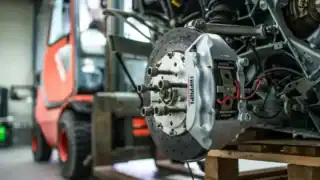
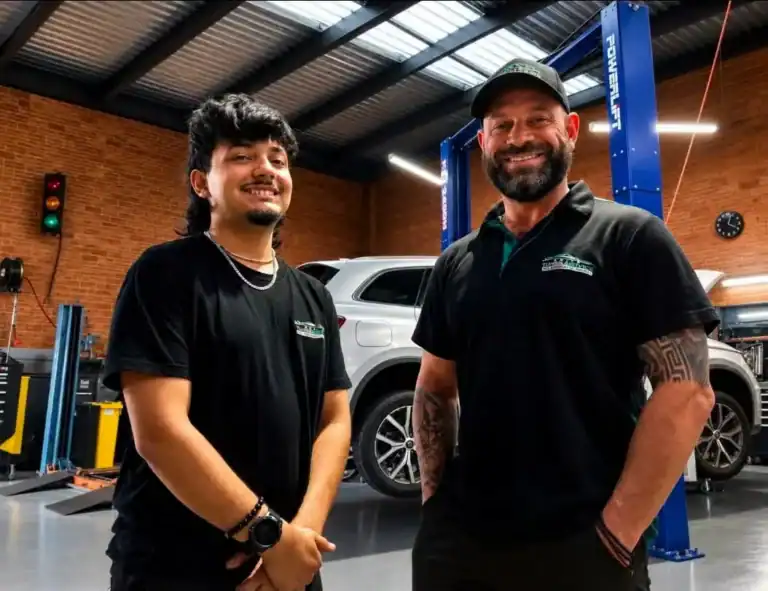
Your Trusted Local Mechanic in Kirrawee

We've been looking after cars in Kirrawee and the Sutherland Shire for over 18 years. Owner-operated, honest to the core, and equipped to handle European and Japanese vehicles properly.

30+ Years of Hands-On Experience

Deep experience across European and Japanese makes means faster, more accurate diagnosis.

Honest Pricing, No Surprises

Bring your vehicle in and we’ll assess it and explain exactly what’s needed.

Durable Repair Warranty

Every Suzuki tailshaft repair is backed by our warranty, protecting your investment.

How Suzuki Tailshaft Repair Works

From booking through to collection, we diagnose and repair your Suzuki tailshaft efficiently and professionally.

Step 1

Book Your Free Inspection

Book your free inspection to diagnose tailshaft vibration, clunking, or wear issues affecting your Suzuki.

Step 2

Tailshaft Diagnostic Assessment

We inspect your Suzuki's tailshaft for wear, U-joint play, bearing condition, and suspension mounting integrity.

Step 3

Tailshaft Repair or Replacement

We rebuild or replace the tailshaft using quality components to restore smooth power delivery and balance.

Step 4

Quality Check and Collection

We test drive your Suzuki to verify smooth operation, then notify you it's ready for collection.

What Our Customers Say

5.0 (Verified Reviews)

Quality Parts From Trusted Suppliers

We source parts from reputable suppliers to keep your vehicle running reliably. Quality components, fitted right the first time.

Book Your Free Inspection

Fill in the form and we'll be in touch to confirm your booking.

Booking Form
  • Vehicle Details
  • Confirm Vehicle
  • Services
  • Contact Details
No Upselling
Fair, Clear Pricing
Local & Experienced

Why Book With Us

Book Your Free Inspection
Drop Off Your Car
We Get to Work
Back on the Road

Got Questions? We Have Answers

Browse the answers below to find what you need. If your question isn't listed, give us a call and we'll sort it out.

Tailshaft wear usually comes from high mileage, worn universal joints, or bearing degradation. Sudden damage can result from hitting a kerb, bottoming out, or driving through deep water. Salt and moisture from coastal driving can accelerate corrosion of the shaft itself. Regular inspection helps catch early wear before it becomes a safety issue or leaves you stranded.

Most tailshaft repairs take between two to four hours, depending on whether we’re replacing universal joints, bearings, or the entire shaft. If the shaft needs to be sent out for straightening or balancing, turnaround extends to a few days. We’ll give you a clear timeframe once we’ve inspected the damage, so you’ll know exactly what to expect.

A damaged tailshaft can worsen quickly. Worn bearings or joints create vibration that stresses the entire drivetrain and can eventually cause complete failure, leaving you without drive. In worst cases, a failing shaft can separate and become a safety hazard. If you hear clicking, clunking, or feel excessive vibration from under the car, have it inspected as soon as possible rather than waiting.

Under Australian consumer law (ACCC guidance), manufacturer warranties generally do not require dealer-only servicing for independent workshops to carry out repairs and maintenance. Using quality parts and keeping service records supports your position. We recommend checking your specific warranty documents or contacting your manufacturer directly to confirm any conditions, as terms can vary. This is general information, not legal advice.

We start by lifting the vehicle and checking the shaft for damage, rust, or bending. We test the universal joints and bearings by rotating and moving the shaft by hand to feel for play or grinding. If repair is needed, we remove the shaft, replace worn joints or bearings, or straighten and rebalance it if possible. The shaft is then reinstalled and tested to ensure smooth, vibration-free operation.

Tailshaft condition is usually checked as part of a full service inspection. On most Suzukis, if you’re doing regular servicing, a visual and functional check during those visits is sufficient. If you’ve hit something, notice vibration, or drive regularly on rough or flooded roads, inspect it sooner. We include a free inspection with every service that covers the tailshaft and other critical components.

Suzuki utes and vans with higher mileage or heavy use can see accelerated universal joint wear, particularly in corrosive coastal conditions. Suzuki’s rear-wheel-drive models are generally well-designed, but salt exposure and deep water crossings speed up bearing and shaft corrosion. Regular undercarriage cleaning and inspection in these conditions helps prevent premature failure.

It depends on the damage. Minor bearing play or a small bend might still allow driving short distances carefully, but vibration will worsen the problem. If the universal joint is severely damaged or the shaft is bent significantly, attempting to drive risks complete failure and loss of drive mid-trip. Bring it in for inspection and we’ll advise whether it’s safe to drive or needs to be towed.

We use quality replacement parts that meet or exceed manufacturer specifications for your Suzuki model. OEM-equivalent components are available for universal joints, bearings, and complete shafts. We source parts that deliver reliability and value, and all replacements come with warranty cover. We’ll discuss part options and quality during your inspection so you understand exactly what you’re getting.

Common signs include vibration felt through the car at speed, clicking or clunking sounds from underneath when accelerating or turning, uneven tyre wear, or visible damage like rust or bending on the shaft itself. Some vehicles may also show signs of difficulty engaging gears or a sensation of the car not responding smoothly to throttle. Any of these warrant a prompt inspection to prevent further damage.

Continue to site