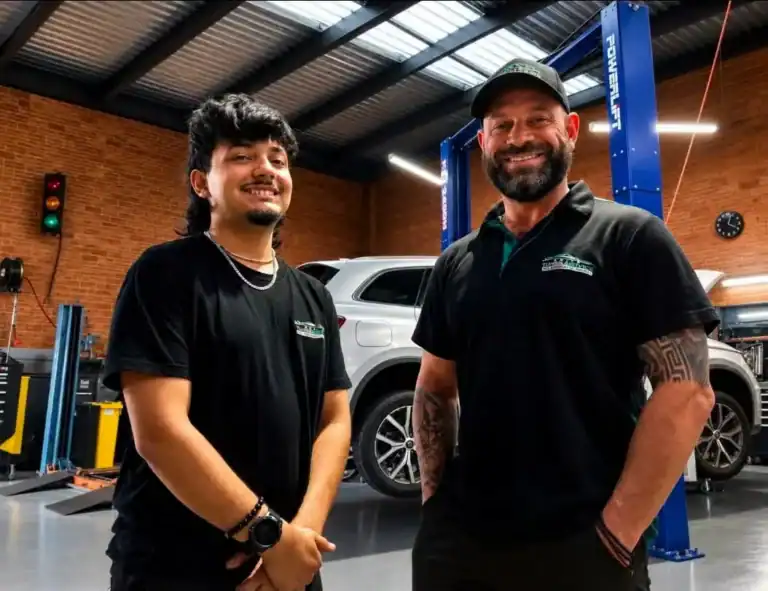
A tailshaft carries engine torque to your rear wheels or differential, and when it fails, your car stops moving. European vehicles rely on precisely engineered tailshafts to handle the power delivery these makes are known for, and damage to this component demands urgent attention. Whether you’re hearing clunking from underneath, feeling vibration through the cabin, or noticing your vehicle won’t move under power, a damaged tailshaft is not something to ignore. At Shire Tune & Service in Kirrawee, we diagnose and repair European vehicles tailshaft issues using diagnostic equipment and hands-on experience built over 30 years in the trade.
What Are the Signs Your Tailshaft Needs Repair?
Tailshaft problems often announce themselves clearly. A loud clunking or banging noise from under the car when accelerating, especially in rear-wheel-drive or four-wheel-drive European vehicles, is a classic sign that universal joints or bearings are worn. You might also feel vibration transmitted through the steering wheel, seats, or floor, particularly at highway speeds. Some drivers notice the vehicle jerks or hesitates when pulling away from a stop, or there’s a grinding sensation when changing gears. In severe cases, the tailshaft can completely separate, leaving the vehicle immobilised.
- Clunking or banging sounds from underneath the vehicle
- Vibration felt through the cabin at certain speeds
- Difficulty accelerating or loss of power delivery
- Visible damage, rust, or corrosion on the shaft itself
- Leaking grease around universal joints or bearings
- Vehicle unable to move despite the engine running
These symptoms vary depending on the specific cause. Universal joints can wear out and allow play in the shaft, or the centre bearing that supports the shaft can fail, causing the whole assembly to sag or vibrate. On some European models, the rubber damper inside the shaft can deteriorate, creating vibration at idle or under load.
How We Diagnose and Repair European Vehicles Tailshaft Problems
European vehicles tailshaft repair starts with a thorough inspection. We lift your vehicle and visually check the entire length of the shaft, looking for visible damage, rust, or loose mounting. We spin the tailshaft by hand and feel for play in the universal joints, which should have minimal movement. We also listen for grinding or clunking as the shaft rotates. For European vehicles, we use OEM service schedules and diagnostic procedures specific to your make. Some European models use different joint designs or integrated centre bearing systems, so understanding the exact configuration matters.
Once we’ve identified the fault, we discuss options with you. A worn universal joint can sometimes be regreased and re-secured if caught early, but more often it needs replacement. If the centre bearing is faulty, we replace it along with the bearings. If the shaft itself is bent or cracked, it typically needs to be re-manufactured or replaced entirely. We source genuine OEM-spec parts or quality equivalents that meet your vehicle’s engineering standards, and we’re transparent about which option suits your car and budget.
The repair itself involves carefully disconnecting the shaft from both the transmission and the differential, removing it from the vehicle, and either servicing the joints or replacing the faulty components. We then rebalance the shaft if necessary to prevent new vibration problems, reinstall it with proper torque specifications, and test drive your vehicle to confirm the problem is resolved.
What Affects the Cost and Time for Tailshaft Repair?
Several factors influence both the time and expense of European vehicles tailshaft repair. The severity of the damage matters most. A simple universal joint regrease and re-securing takes a few hours; a full shaft replacement can take a full day or more, depending on access and whether the shaft needs balancing. The specific European make also plays a role. Some BMW, Mercedes, or Audi models use more complex centre bearing systems that require careful alignment, adding time. Older vehicles or those with corrosion on the mounting points can also take longer to safely remove and refit.
Parts availability is another realistic variable. OEM tailshaft components for European vehicles are generally available, but if the exact part is on order, you might wait a few days. We’ll always let you know upfront if parts need to be sourced. The choice between genuine OEM parts and quality aftermarket replacements also affects cost. We recommend OEM-spec parts for European vehicles because they maintain the precision engineering these cars demand, but we discuss the options honestly and let you decide based on your vehicle’s age and intended use.
Why Trust Shire Tune & Service With Your European Vehicle’s Tailshaft
We’ve spent over 30 years learning how cars actually work, and 18 years of that serving Kirrawee with honest advice and fair pricing. European vehicles are our speciality. We invest in the diagnostic equipment needed to identify tailshaft problems accurately, which means you don’t pay for guesswork or unnecessary repairs. We use genuine parts that protect your manufacturer warranty and your vehicle’s long-term reliability. Chris, our owner-operator, has spent decades working on European makes, and that experience translates directly to your repair. You’ll get dealer-quality workmanship without the dealer’s upsell pressure or inflated labour rates.
We don’t recommend repairs you don’t need. If your tailshaft can be saved with targeted servicing, we’ll tell you. If replacement is the only option, we’ll explain why and give you transparent pricing before we start work. Our 5.0 verified reviews reflect our commitment to honest service and quality workmanship on European vehicles.
Get Your European Vehicle Tailshaft Inspected in Kirrawee Today
If you’re hearing clunking from underneath, feeling vibration, or worried about tailshaft damage, we’re ready to help. Call Us Today to discuss your symptoms, or Book Your Free Inspection online. We’ll diagnose the problem, walk you through your options, and get your European vehicle back to safe, smooth operation.