
30+ Years Experience
Honest, Clear Pricing
5.0★ Rating
All Makes & Models

5.0 (Verified Reviews)

Highly Rated Japanese Vehicles Oil Change In Kirrawee

Regular oil changes keep your Japanese vehicle running smoothly and protect your warranty. We use genuine parts and transparent pricing, with no surprises.

Expert Diagnostics

Honest Advice

5.0★ Rating

Japanese Oil Experts

Book Your Free Inspection

Fill in the form and we'll be in touch to confirm your booking.

Booking Form
  • Vehicle Details
  • Confirm Vehicle
  • Services
  • Contact Details
No Upselling
Fair, Clear Pricing
Local & Experienced

Why Book With Us

Book Your Free Inspection
Drop Off Your Car
We Get to Work
Back on the Road

A Japanese vehicles oil change is one of the most straightforward yet critical maintenance tasks you can do for your car. Fresh engine oil keeps your engine running smoothly, protects moving parts from wear, and helps manage heat. Whether you drive a Toyota, Honda, Mazda, Nissan, Subaru, or Mitsubishi, regular oil changes keep your vehicle reliable and help protect your investment. At Shire Tune & Service in Kirrawee, we handle Japanese vehicles oil change as part of our core servicing, using the latest diagnostic tools to ensure your engine stays in top condition.

When do you need a Japanese vehicles oil change?

Most Japanese vehicles follow strict logbook service intervals set by the manufacturer. Some models use time-based intervals (every 6 months or 10,000 kilometres), while others use condition-based servicing, which monitors oil quality electronically and prompts a service when needed. Regardless of your vehicle’s schedule, you should watch for these signs that an oil change is overdue:

  • Dark, dirty oil visible on the dipstick or when you check the level
  • An illuminated service light or warning message on your dashboard
  • A burning oil smell from the engine bay
  • Engine noise becoming rougher or less responsive than usual
  • Lower than normal oil pressure readings on your gauge

Skipping scheduled oil changes accelerates engine wear. Oil breaks down over time and loses its protective properties, leaving your engine vulnerable to friction, sludge buildup, and heat damage. Japanese manufacturers are meticulous about oil specifications, so using the correct grade and type is essential to maintain warranty coverage and engine longevity.

What happens during a Japanese vehicles oil change at our Kirrawee workshop

We don’t just drain old oil and pour new oil in. Our process is thorough and systematic, designed to extend engine life and catch emerging issues early.

We start by warming your engine to operating temperature, which helps the old oil drain completely and allows us to inspect for leaks or contamination. We then safely lift your vehicle and remove the sump plug, letting all the old, degraded oil drain into a collection container. While the oil drains, we inspect your engine bay for any signs of wear, corrosion, or fluid leaks that might need attention.

Next, we remove and replace the oil filter. This is critical because a clogged filter restricts oil flow and defeats the purpose of a fresh oil change. We use genuine or high-quality equivalent filters matched to your Japanese vehicle’s specifications. Before installing the new filter, we apply a thin coat of fresh oil to the rubber seal, which ensures a proper fit and prevents leaks.

We then refill your engine with the correct oil grade and viscosity specified in your logbook or owner’s manual. Toyota, Honda, and Mazda vehicles often call for 0W-20 or 5W-30 synthetic or semi-synthetic oil, while some Nissan and Subaru models may require different specs. Using the wrong oil can affect fuel economy, engine performance, and warranty compliance.

After refilling, we run the engine briefly to circulate the new oil through the filter and engine block, then check the level on the dipstick to ensure it’s at the correct mark. We also reset your service reminder light if your vehicle uses one.

As part of every minor service on Japanese vehicles, we carry out a free 30-point inspection. This includes checking fluid levels, hose condition, belt wear, brake pad thickness, battery health, and tyre condition. Early detection of small issues prevents expensive repairs down the line.

Oil change costs and timing in Kirrawee

Several factors affect the final cost of your Japanese vehicles oil change. The type of oil you choose makes a real difference: synthetic oils cost more upfront but last longer and protect better in extreme temperatures, while mineral oils are cheaper but require more frequent changes. Your vehicle’s engine size and filter type also play a role in the final price.

Parts availability for Japanese vehicles is excellent. Genuine filters and oils are readily stocked, and high-quality equivalent parts are also available if you want to keep costs reasonable without compromising quality. We’re transparent about what we recommend and why, and we never push unnecessary upgrades.

Timing depends on how long your current oil needs to drain and whether we spot anything during the inspection that requires immediate attention. A straightforward oil and filter change usually takes 20-40 minutes, but we always book enough time to do the job properly and complete our 30-point check without rushing.

Why choose Shire Tune & Service for your Japanese vehicles oil change

We’ve been servicing Japanese vehicles in Kirrawee and across the Sutherland Shire for over 18 years. That experience means we know the common issues, the correct service intervals, and the exact specifications for Toyota, Honda, Mazda, Nissan, Subaru, Mitsubishi, and Hyundai models. We use modern diagnostic equipment to monitor engine condition and spot problems early, not just follow a checklist.

Our owner-operator approach means you get honest advice without pressure to upsell. We charge fair, transparent pricing and explain exactly what we’re doing and why. We use genuine parts wherever it matters for warranty protection, and we source quality alternatives where they make sense for your budget.

Every Japanese vehicles oil change includes that free 30-point inspection, which gives you complete visibility into your vehicle’s health. You’ll never be surprised by a forgotten issue or told you need something you don’t actually need.

Book your Japanese vehicles oil change in Kirrawee

If your logbook is due or your service light is on, call us today or book your free inspection online. We’ll get your Japanese vehicle back on the road with clean oil and complete peace of mind.
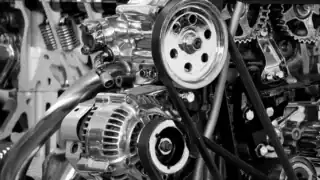
Your Trusted Local Mechanic in Kirrawee

We've been looking after cars in Kirrawee and the Sutherland Shire for over 18 years. Owner-operated, honest to the core, and equipped to handle European and Japanese vehicles properly.

30+ Years of Hands-On Experience

Deep experience across European and Japanese makes means faster, more accurate diagnosis.

Honest Pricing, No Surprises

Bring your vehicle in and we’ll assess it and explain exactly what’s needed.

Right Oil, Right Interval

We match OEM-spec oil grades and follow Japanese logbook intervals exactly.

How Japanese Vehicle Oil Changes Work

Your Japanese vehicle's oil change is handled professionally from booking through collection with precision care.

Step 1

Book Your Free Inspection

Book your free inspection to schedule your oil change and confirm your vehicle's maintenance needs.

Step 2

Oil Condition and Schedule Review

We assess oil condition, review your Japanese manufacturer's service schedule, and confirm the correct oil grade.

Step 3

Complete Oil Change Service

We drain old oil, replace the filter, refill with manufacturer-spec oil, and inspect related engine systems.

Step 4

Quality Check and Collection

We verify oil levels, run a brief test, update your logbook, and your vehicle is ready to drive.

What Our Customers Say

5.0 (Verified Reviews)

Quality Parts From Trusted Suppliers

We source parts from reputable suppliers to keep your vehicle running reliably. Quality components, fitted right the first time.

Book Your Free Inspection

Fill in the form and we'll be in touch to confirm your booking.

Booking Form
  • Vehicle Details
  • Confirm Vehicle
  • Services
  • Contact Details
No Upselling
Fair, Clear Pricing
Local & Experienced

Why Book With Us

Book Your Free Inspection
Drop Off Your Car
We Get to Work
Back on the Road

Got Questions? We Have Answers

Browse the answers below to find what you need. If your question isn't listed, give us a call and we'll sort it out.

Most Japanese vehicles need an oil change every 10,000 to 15,000 kilometres or annually, whichever comes first. Some newer models with synthetic oil can go longer between services. The best way to know is to check your vehicle’s service manual or logbook, which lists the exact intervals for your make and model. We’ll remind you when your next oil change is due and can help you keep track of your service history.

A full oil and filter change includes draining old oil, replacing the oil filter, and refilling with fresh oil to the correct specification for your vehicle. We’ll also inspect your engine bay while it’s open, check fluid levels, and note any issues we spot. Many services include a complimentary inspection, so you’ll get a clear picture of your car’s overall condition.

A straightforward oil and filter change typically takes one to two hours, depending on your vehicle’s design and whether we find anything else that needs attention during the inspection. Most customers can wait in our workshop or pop back later, but we’re happy to discuss timing that works for you. If additional work is recommended, we’ll let you know before proceeding.

Old oil loses its ability to protect your engine. It becomes thicker and less effective at lubricating moving parts, which causes friction and heat buildup. Over time, this can lead to engine sludge, accelerated wear on pistons and bearings, and potentially serious engine damage that costs far more to repair than regular oil changes. Regular servicing catches problems early and keeps your engine running smoothly for much longer.

No. Under Australian consumer law and ACCC guidance, having your vehicle serviced by a qualified independent mechanic does not automatically void your manufacturer warranty. What matters is that the service is carried out properly and using appropriate parts and fluids for your vehicle. We use quality parts and follow correct procedures, and we’ll stamp your logbook so there’s a clear record. For specific warranty terms, check your paperwork or contact your vehicle manufacturer directly.

There are some differences in oil type, filter location, and drain plug design between Japanese brands, but the core principle remains the same. Toyotas and Hondas typically specify their own oil grades and service intervals outlined in the logbook. We’re familiar with the quirks of all major Japanese makes and use the correct specification oil and filter for your specific vehicle. Bringing your service manual or logbook helps us get it exactly right.

No, you need to use the oil grade and specification recommended in your vehicle’s service manual. Japanese manufacturers are quite specific about viscosity and performance standards because their engines are engineered around particular oil qualities. Using the wrong oil can reduce fuel efficiency, damage engine seals, or affect performance. We’ll source and use the correct specification oil for your vehicle, whether it’s synthetic, semi-synthetic, or mineral, based on what your manufacturer recommends.

Genuine parts offer the assurance of exact fit and specification, but quality OEM-equivalent parts work well if they meet the same performance standards. We use genuine parts where it matters most for longevity and warranty protection, and quality alternatives where they deliver the same reliability at fair pricing. Either way, we’ll use parts matched to your vehicle’s exact requirements and stamp your logbook so your service record is complete and defensible under warranty terms.

Watch for a lit oil warning light on your dashboard, dark or dirty oil on the dipstick, or engine noise and knocking sounds. A burning smell coming from the engine bay or under the car also suggests old oil that’s breaking down. Don’t ignore these signs. If you notice any of them, have your oil checked and changed as soon as possible to avoid engine damage.

Drop your vehicle off or stay in our waiting area while we lift it on the hoist and drain the old oil. We’ll replace the filter, refill with fresh oil, and run a quick check to make sure everything’s working properly. We’ll also inspect your filters, hoses, and fluid levels while we’re there. Most customers receive a report detailing what we’ve done and any observations about their vehicle’s condition.

Continue to site