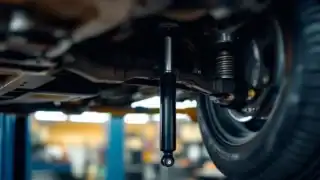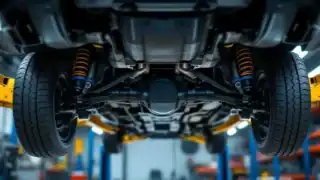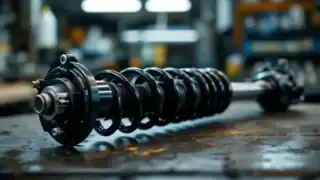
Your Hyundai’s suspension is what keeps your car connected to the road. It absorbs bumps, maintains tyre contact during cornering, and protects your passengers from every pothole and rough section you encounter. When suspension components wear, you’ll notice changes in how your car feels and behaves. A Hyundai suspension service addresses worn springs, dampers, bushings, and linkages before they compromise safety or damage other parts of your vehicle. Here in Kirrawee, our technicians see these issues regularly and know exactly what to look for across Hyundai’s range.
Common Signs Your Hyundai Suspension Needs Attention
Hyundai vehicles are built to handle Australian roads well, but suspension wear is inevitable. Watch for these warning signs:
- Bouncing or excessive movement after driving over a bump
- Clunking or rattling noises from under the car, especially over speed humps or rough sections
- Uneven tyre wear, particularly on the inner or outer edge
- The car sitting lower on one side than the other
- Difficulty steering or the steering feeling loose and vague
- The car leaning heavily to one side when cornering
- A soft or spongy brake pedal combined with poor handling
Many Hyundai owners assume these changes are normal wear, but they’re not. A suspension component failure can lead to tyre damage, brake problems, or loss of control in an emergency. If you’ve noticed any of these symptoms, an inspection is your first step.
What a Hyundai Suspension Service Involves
We start with a full visual and physical inspection of your suspension system. This includes checking your springs, dampers (shock absorbers), control arms, anti-roll bar links, and all rubber bushings. For Hyundai models, we follow the manufacturer’s service intervals and inspection procedures, which vary depending on your vehicle’s age and mileage. Our diagnostic approach combines hands-on inspection with precision equipment.
We’ll examine:
- Spring compression and any signs of sagging or damage
- Damper fluid leaks or external corrosion indicating internal failure
- Worn bushings that allow excessive movement in joints
- Control arm bending or ball joint play
- Wheel alignment angles to identify suspension-related tyre wear
- Brake line routing and connections for damage or leaks
We’ll also check your wheels and tyres for wear patterns that point to specific suspension issues. For instance, inner edge wear often indicates worn anti-roll bar bushings or control arm problems, while cupping (scalloped wear) suggests dampers are no longer controlling movement properly. Hyundai’s suspension geometry is engineered to tight tolerances, so when components wear, the effects show quickly in how your vehicle behaves and in tyre wear patterns.
Once we’ve identified the problem, we’ll explain exactly what’s worn and why it matters. If parts need replacement, we use genuine Hyundai parts or quality aftermarket equivalents that meet OEM specifications. This protects your vehicle’s handling, safety, and resale value, and won’t affect your manufacturer warranty if your vehicle is still under cover.
What Affects the Cost and Time for Your Service
Several factors influence how long your suspension service takes and what it costs. The extent of wear is the biggest variable. A minor service involving worn bushings or damper replacement might take a few hours. If control arms, springs, or multiple components need replacement, the job extends to a full day or more.
Parts availability plays a role too. Most Hyundai suspension components are readily available through our networks, so you won’t wait weeks for parts. However, some models or older vehicles may require a slightly longer lead time. We’ll give you a clear timeframe before we start work.
Whether you choose genuine Hyundai parts or quality aftermarket alternatives also affects cost. Both are reliable, but genuine parts carry Hyundai’s engineering specification and a longer lifespan. We’ll discuss the difference with you and let you decide based on your vehicle’s age, mileage, and how long you plan to keep it.
Labour time depends on which components need work. A damper replacement on one axle is straightforward. Rebuilding multiple suspension joints or addressing suspension geometry issues takes longer because precision and accuracy matter. We never rush suspension work. Getting it right protects your safety and prevents costly damage to your tyres and alignment.
Why Choose Shire Tune & Service for Hyundai Suspension Service in Kirrawee
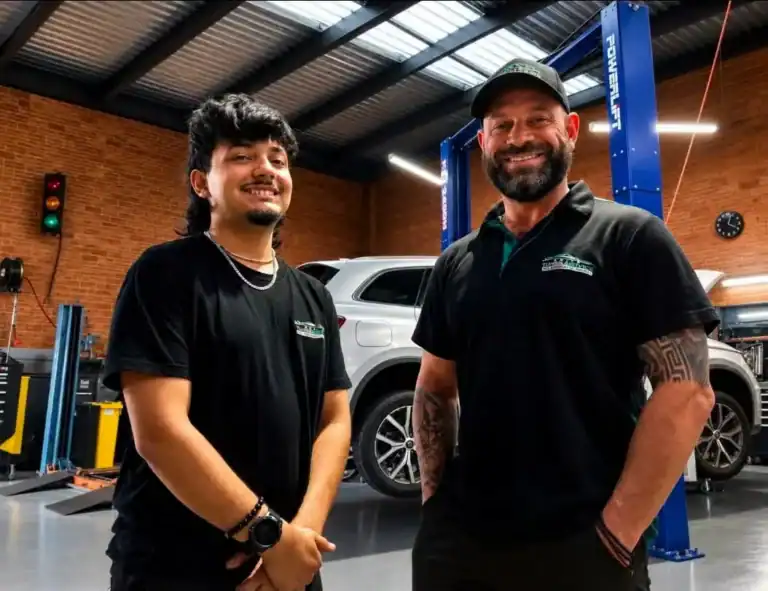
We’ve been servicing vehicles in Kirrawee for more than 18 years, and we specialise in Japanese vehicles including Hyundai. Our technicians understand how these cars are engineered and what common wear patterns to look for. We have the diagnostic equipment to identify problems accurately, so you don’t pay for parts you don’t need.
Hyundai’s engineering fits squarely within our Japanese vehicle wheelhouse. We work with genuine and equivalent parts, and we always use the correct specifications for your model. Our approach is straightforward: diagnose the problem honestly, explain it clearly, and fix it properly without upselling or unnecessary recommendations. We’ve built our reputation on fair, transparent pricing and work that protects your vehicle’s warranty and long-term reliability.
Every minor service we perform includes a free 30-point inspection, which covers your suspension system thoroughly. If we spot early wear or approaching problems, we’ll tell you what’s coming and let you plan ahead. This proactive approach saves our Kirrawee customers money by catching issues before they become safety problems.
Get Your Hyundai Suspension Checked Today
If your Hyundai’s handling feels off or you’ve spotted warning signs, don’t wait. Suspension problems get worse quickly and can affect your safety and other vehicle systems. Book Your Free Inspection online or Call Us Today, and we’ll get your car sorted with honest advice and fair pricing here at Shire Tune & Service.