Toyota suspension systems are built to handle Australian roads, but they’re also complex assemblies that wear over time. A Toyota suspension service keeps your car stable, comfortable, and safe whether you’re navigating the winding streets of Kirrawee or cruising the Shire’s slower suburban routes. Unlike a once-over at a quick-fit shop, proper Toyota suspension service means inspecting every component that affects how your car rides and handles, then addressing wear before it becomes a safety issue or an expensive repair.
Common Signs Your Toyota Needs Suspension Work
Most Toyota owners notice suspension problems the same way: something feels different when driving. Your car might bounce more than usual after bumps, or the ride feels harsher and less controlled. You might hear clunking or creaking sounds when turning corners, or the steering wheel could feel loose or vague. Some cars pull slightly to one side, or the back end feels unstable on uneven roads. These aren’t minor niggles—they’re your Toyota telling you that suspension components are wearing out.
- Bouncing or excessive movement after driving over bumps
- Clunking or rattling noises from the undercarriage, especially when cornering
- Steering wheel feels loose, wobbly, or less responsive
- Car pulls to one side on straight, level roads
- Uneven tyre wear, especially on the inner or outer edges
- Sagging appearance on one side of the vehicle
- Creaking or squeaking from suspension components
Toyota’s suspension design varies across models—from the independent double-wishbone systems in sedans to the leaf-spring setups in utes and the multi-link rear suspension in newer models. Recognising which symptoms apply to your specific Toyota helps us diagnose the issue quickly and accurately.
What We Check During a Toyota Suspension Service
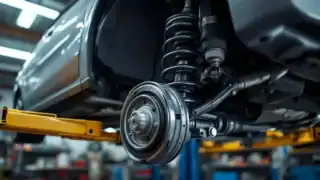
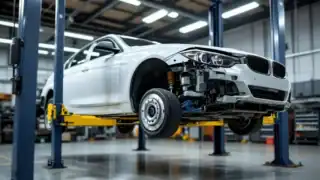
A proper Toyota suspension service isn’t just a visual glance. We start by putting your car on a hoist and inspecting the suspension geometry—the angles and alignment that keep your tyres planted on the road. We test each shock absorber for dampening performance, check all ball joints and tie-rod ends for play or wear, examine control arms for cracks or bending, and inspect bushings for deterioration. Toyota’s suspension components use specific OEM-equivalent parts, and we source genuine or equivalent-spec components that match your vehicle’s requirements.
We also measure brake fluid condition during suspension work, because failing suspension can put extra load on your brakes in emergency stops. On many Toyotas, we check sway bar links and anti-roll bar mounts—common wear points that create that clunking noise you hear. If your Toyota is at or near logbook servicing intervals, we align the suspension geometry to Toyota’s specification, which protects your tyres and fuel economy.
For Toyota models with electronic suspension systems (found in some Camry, RAV4, and Highlander variants), we use diagnostic equipment to scan for suspension fault codes. This tells us whether wear is purely mechanical or whether electronic components like damper control modules are failing. Toyota’s diagnostic architecture requires proper scanning to avoid missing underlying electrical issues.
What Affects the Cost and Timeline of Your Service
The extent of suspension work depends on what we find during inspection. A simple replacement of worn shock absorbers takes a few hours, but if control arms, ball joints, or bushings need replacing, the job takes longer because these components are often integrated and must be removed in sequence. Parts availability also affects timeline—most Toyota suspension components are readily available locally, but some specialised items for older or less common models may require a day or two.
Whether you choose genuine Toyota parts or equivalent aftermarket components also influences cost. Genuine parts carry Toyota’s quality assurance and fit precisely to your vehicle’s engineering, while quality aftermarket alternatives often perform well and cost less. We’ll discuss both options before we start work so you know exactly what you’re paying for.
Suspension work on dual-cab utes or vehicles carrying heavy loads may be more involved, because these vehicles put greater stress on suspension geometry. If alignment is needed after suspension repair, that’s a separate process that adds time and cost but is essential for even tyre wear and safe handling.
Why Toyota Owners in Kirrawee Choose Shire Tune & Service
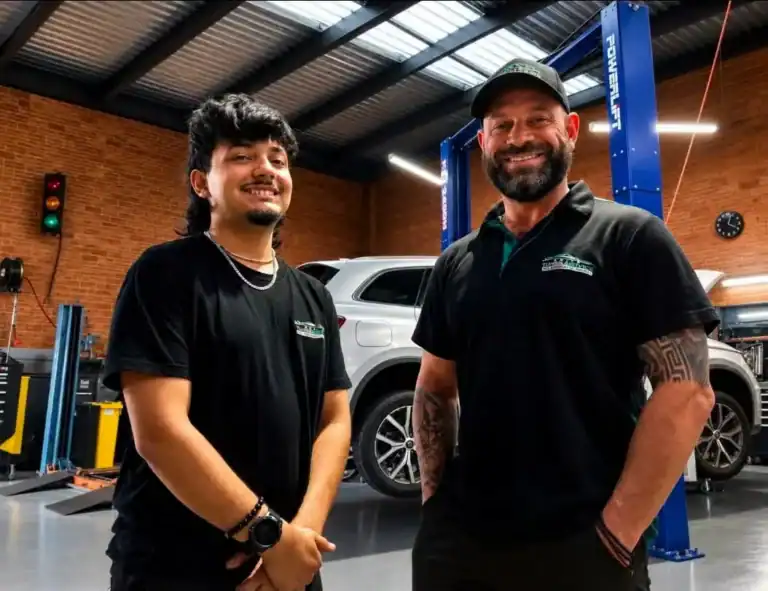
We’ve been servicing Toyotas in the Shire for 18 years, which means we know how Australian roads affect suspension wear patterns. We invest in up-to-date diagnostic equipment that reads Toyota fault codes accurately and tells us what’s actually wrong, not what we think might be wrong. That’s how we avoid unnecessary parts replacement and give you honest, transparent pricing.
Our approach is simple: we inspect thoroughly, explain what we find in plain language, and show you your options before any work begins. No upselling, no surprises on the invoice. If your Toyota is still under manufacturer warranty, suspension work done by us protects that warranty—we use genuine or OEM-equivalent parts and follow Toyota’s service schedules.
Every vehicle that comes in for a suspension service gets a free 30-point inspection, which means we’re checking your brakes, steering, tyres, and fluid levels at the same time. That keeps small issues from becoming big problems down the road.
Next Steps: Book Your Suspension Inspection in Kirrawee
If your Toyota’s suspension feels different or you’ve noticed any of the signs above, book your free inspection with us. Call Us Today or Book Your Free Inspection online—we’ll get your car on the hoist, run through a complete suspension assessment, and give you a clear picture of what’s needed and what it’ll cost.