Suspension problems develop quietly until they announce themselves—a clunk over bumps, a dip when braking, or a spongy feel at the steering wheel. If your Hyundai suspension replacement has become necessary, it’s usually because suspension components have worn beyond safe limits or failed altogether. We service Hyundai vehicles across Kirrawee and the Sutherland Shire, and suspension faults are among the most important safety issues we address. A worn or damaged suspension doesn’t just affect comfort; it compromises steering control, braking effectiveness, and tyre wear. Catching suspension wear early and addressing it properly keeps your Hyundai safe and prevents knock-on damage to other systems.
Warning Signs Your Hyundai Suspension Needs Replacement
Suspension components wear gradually, so symptoms often creep in without obvious cause. Pay attention to how your car behaves on rough roads, during braking, and when turning. The following signs suggest a suspension component may have reached the end of its life:
- Clunking or banging sounds when driving over bumps, potholes, or rough road surfaces
- Excessive bouncing that doesn’t settle after hitting a bump (signs of worn shock absorbers or struts)
- The front end dipping sharply when you brake or the rear squatting under acceleration
- Uneven tyre wear, particularly on the inner or outer edges of the tyre
- Vehicle pulling to one side when driving straight or during braking
- Knocking or creaking from the suspension when turning the steering wheel fully
- A noticeably rougher ride on uneven surfaces compared to normal driving
- Visible damage to shock absorbers, springs, or suspension links when inspected visually
If you’re noticing any of these, bring your Hyundai in for a suspension inspection. We’ll identify which components have failed and explain what needs to be replaced.
How We Diagnose and Replace Hyundai Suspension Components
Hyundai suspension systems vary depending on model year and trim level. Most Hyundais use a MacPherson strut setup at the front with either a torsion beam or multi-link suspension at the rear. Our diagnostic process starts with a thorough road test to understand how your car feels and where the noise or handling fault originates.
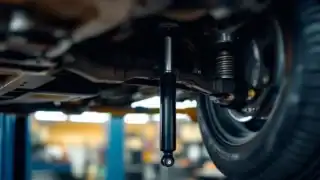
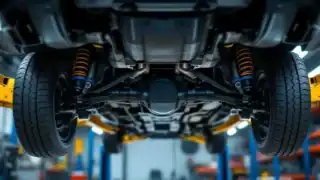
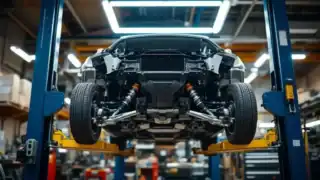
We then lift the vehicle and inspect every suspension component systematically. We look for wear in the strut cartridges, cracks or sagging in coil springs, worn or torn bushings, loose or damaged sway bar links, and leaks from shock absorbers. We check wheel alignment angles and test the suspension’s response by compressing and releasing each corner manually. For Hyundai vehicles, we also reference the service history and current odometer reading against manufacturer wear intervals to determine whether components are due for preventative replacement as part of scheduled maintenance.
Once we’ve identified the failed components, we discuss your options. Genuine Hyundai parts offer exact OEM fit and longevity, but quality aftermarket parts can deliver reliable performance at a lower cost. We’ll explain the difference honestly and let you choose. Replacement involves removing the old component, installing the new part, and test-driving to confirm the fault has been resolved. For strut replacements, we often recommend a four-wheel alignment check afterward to ensure your tyres wear evenly and steering remains true.
What Affects Suspension Replacement Cost and Turnaround Time
Suspension repair costs depend on which components have failed. Replacing a single worn strut costs less than replacing all four, and a sway bar link is a quicker job than a full spring and shock assembly. Parts availability also matters. Most Hyundai suspension parts are readily sourced locally, but occasionally a specific component may need to be ordered, adding a day or two to the job.
Vehicle age and mileage influence what’s likely to need attention. An older Hyundai with high kilometres may benefit from replacing components in pairs (both front struts, both rear shocks) even if only one has obviously failed, because the other is likely to follow within a short time. We’ll advise on this during inspection so you understand the full scope before work begins.
Labour time varies. A single strut replacement usually takes 2-3 hours. Replacing suspension on both sides or addressing multiple components takes longer. We prioritise getting your Hyundai back on the road safely, and we work with genuine parts or trusted aftermarket equivalents to avoid delays.
Why Shire Tune & Service Handles Hyundai Suspension Replacement in Kirrawee
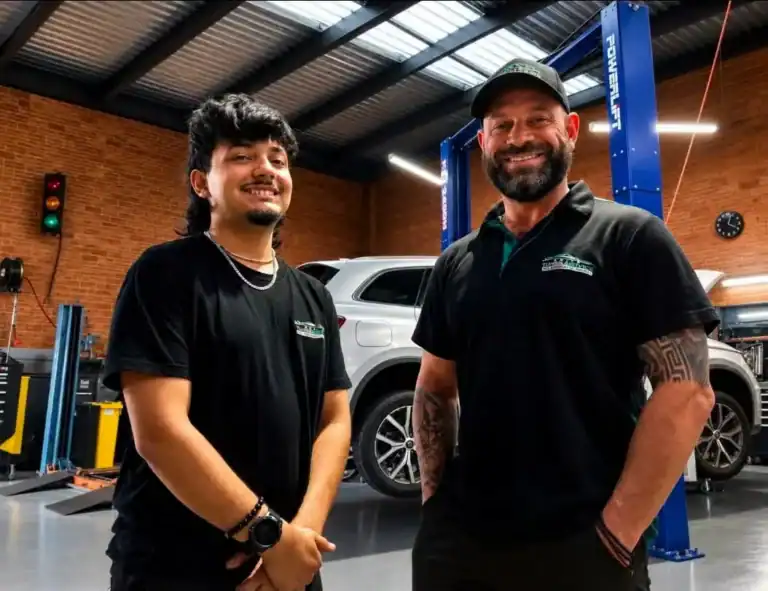
We’ve spent over 30 years learning how vehicles behave, and 18 years serving the Sutherland Shire from our Kirrawee workshop. Hyundais are among the makes we see regularly, and we understand their suspension design and common wear patterns. Our diagnostic equipment lets us test suspension components accurately and confirm faults before recommending replacement, so you don’t pay for unnecessary work.
We’re straightforward about pricing and won’t suggest parts replacement you don’t need. We carry genuine parts or recommend quality alternatives, and we explain the difference between the two. Work on your Hyundai suspension doesn’t affect your manufacturer warranty; Australian consumer law protects your warranty rights when you use a qualified independent mechanic. We document everything and use parts that align with Hyundai specifications so your car stays reliable long after we’ve finished.
If you’re driving a Hyundai that feels unsafe or uncomfortable, your next step is a suspension inspection. Call Us Today to discuss the symptoms you’re experiencing, or Book Your Free Inspection online and we’ll get you in as soon as possible. We service Hyundai vehicles throughout Kirrawee and the wider Sutherland Shire region.