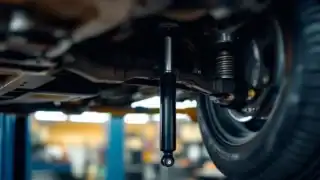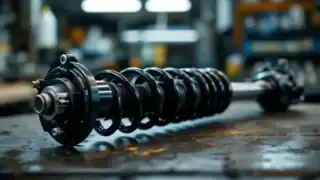
Hyundai suspension repair is one of those services that often catches drivers off guard. Your suspension doesn’t have an oil change interval or a service light that flashes at you—instead, it tends to deteriorate quietly until you notice something wrong. By then, the job is usually more involved than it would have been if caught earlier. We see this regularly at our Kirrawee workshop, particularly with Hyundai models that clock up higher kilometres or encounter rougher roads in the Shire. The good news is that early diagnosis prevents expensive damage and keeps your car safe to drive.
Common warning signs your Hyundai suspension needs attention
Your suspension is working every time your car moves. It keeps your tyres in contact with the road, absorbs bumps, and prevents your body from rolling in corners. When suspension components start to fail, you’ll feel it before anything else.
- Clunking or rattling noises over bumps, particularly from the front or rear
- The car feels like it’s sitting lower on one side, or leans excessively when cornering
- Bouncy, floaty handling that doesn’t settle after driving over a bump
- The steering feels loose or vague, especially at highway speeds
- Uneven or accelerated tyre wear on the inner or outer edge
- Brake pedal that feels soft or sinks slowly when parked overnight
These symptoms mean suspension components—struts, shock absorbers, control arms, sway bar links, or bushings—are worn enough to affect how the car drives and handles. Ignoring these doesn’t just make for an uncomfortable ride; it increases stopping distance, reduces tyre life, and puts extra stress on steering and braking systems.
How Hyundai suspension repair works at our Kirrawee workshop
We don’t replace parts blindly. Hyundai suspension systems are engineered with specific geometry and damping characteristics, and getting the diagnosis right is the first step.
Our diagnostic process starts with a thorough visual inspection of all suspension components—struts, springs, control arms, bushings, and sway bars. We look for visible wear, oil leaks from shock absorbers, cracked rubber bushings, and bent or corroded metal parts. We then perform a road test and push-down test to feel how the suspension responds and identify where noise or movement is coming from.
For Hyundai models, we use up-to-date diagnostic equipment to check suspension geometry and wheel alignment angles. Hyundai suspension geometry is tightly specified, and a damaged strut or control arm often means alignment angles drift out—something that will cause tyre wear and handling problems even after parts are replaced. We measure camber, caster, and toe on our alignment rack to confirm these values match Hyundai’s OEM specifications.
Once we’ve identified the issue, we discuss exactly what needs replacing and why. Worn struts, for example, affect ride quality and braking performance immediately, but a worn sway bar link may take longer to fail completely. We explain the priority and let you decide what gets done now and what can wait.
We use genuine Hyundai parts or OEM-equivalent replacements that meet Hyundai specifications. Parts are ordered promptly, and once they arrive, suspension work is completed in one visit where possible. If you’re running logbook servicing, we document all work so your service records stay complete and your manufacturer warranty is protected.
What affects cost and time for suspension repairs
Suspension repair costs depend on a few honest variables. A single strut replacement is straightforward; both struts on an axle take longer because we’ll align the wheels afterward. Replacing a sway bar link or a worn bushing is a smaller job. But if inspection reveals a control arm is bent or a spring is damaged, the work expands.
Parts availability matters too. Hyundai parts are usually in stock or arrive within a day or two, which keeps delays short. Older Hyundai models may have longer lead times, but we’ll tell you upfront what to expect.
Labour time depends on which components are worn and the complexity of access. A strut replacement on a newer Hyundai is faster than on older models where corroded bolts need careful extraction. Alignment adds 45 minutes to an hour to the total time, but it’s essential after any suspension work that affects wheel geometry.
We price fairly and transparently. You’ll never be upsold or quoted for work you don’t need. We explain the difference between what must be done now and what’s worn but not yet critical, so you’re in control of the decision.
Why Shire Tune & Service handles Hyundai suspension repair with confidence
Over 30 years of hands-on automotive work and 18 years serving the Kirrawee and surrounding Shire community means we’ve seen every Hyundai suspension problem multiple times. We specialise in Japanese vehicles with the diagnostic equipment to match—alignment racks, suspension testers, and fault-code scanners that let us pinpoint the exact issue rather than guessing.
We don’t upsell. Our reputation is built on honest advice and fair pricing, and that matters when you’re deciding whether to replace parts now or later. We give you the information and let you choose.
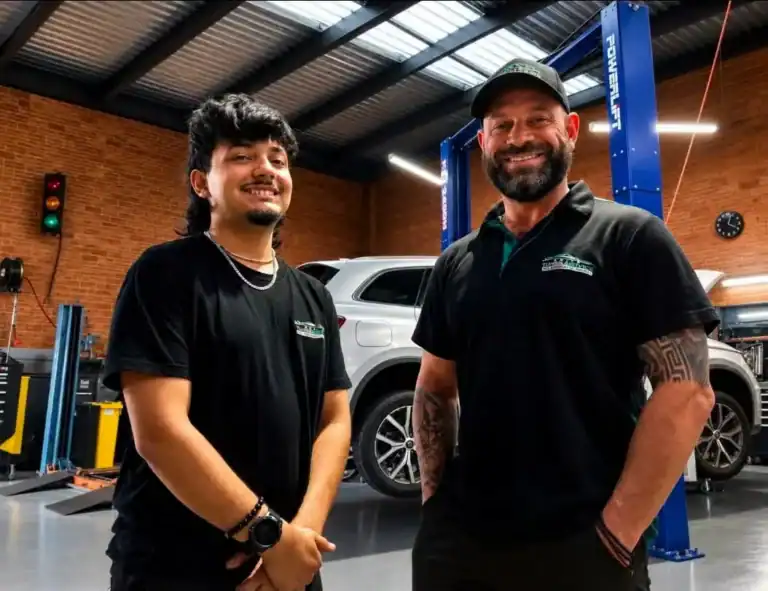
Because we’re a local owner-operator workshop, not a franchise, you work with the same team every visit. Continuity matters in suspension repair—we know your car’s history, remember what we’ve done before, and catch small problems before they become big ones. Our five-star verified reviews reflect the trust our Kirrawee customers place in us for honest, skilled work on their vehicles.
What to do if your Hyundai suspension feels unsafe
If your Hyundai suspension feels loose, bouncy, or noisy, the sooner we inspect it the better. A clunking strut or worn control arm doesn’t improve on its own, and driving on failed suspension components puts your family at risk and damages other parts of your car in the process.
Book Your Free Inspection online to schedule a suspension check at a time that suits you, or Call Us Today to discuss what you’re noticing. We’ll diagnose the issue, explain exactly what’s needed, and get you back on the road safely.