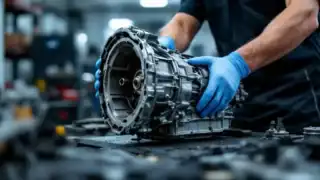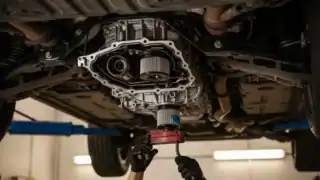
Japanese vehicles transmission specialist work requires precision diagnostics and a deep understanding of how different Japanese manufacturers engineer their gearboxes. Whether you’re driving a Toyota, Honda, Mazda, Subaru, Mitsubishi, or Nissan, each brand has its own transmission architecture, fluid specifications, and fault patterns. At Shire Tune & Service in Kirrawee, we’ve spent over 30 years working on Japanese vehicles, and transmission issues are among the most common problems we see. Understanding what’s happening with your gearbox, why it matters, and what repair or servicing looks like can save you money, time, and the stress of an unexpected breakdown.
Signs Your Japanese Vehicle’s Transmission Needs Attention
Transmission problems rarely announce themselves all at once. More often, you’ll notice subtle changes in how your car feels before the gearbox fails completely. Catching these early warning signs means the difference between a straightforward service and a major repair.
- Delay or hesitation when shifting from park to drive or reverse
- Slipping gears under acceleration, especially on hills or when merging
- Grinding, whining, or clunking sounds when the car is in motion or at idle
- Fluid leaks under the vehicle (automatic transmission fluid is usually bright red)
- Burning smell, particularly after driving in traffic or towing
- Illuminated transmission warning light or check engine light on your dashboard
- Rough or jerky gear changes that feel different from normal operation
- Difficulty engaging reverse or a particular forward gear
Japanese vehicle transmissions often give you a window to act. Many of these symptoms start small and worsen over weeks or months. A Japanese vehicles transmission specialist can inspect and diagnose the root cause before the problem cascades into expensive damage. If your gearbox fluid is low or contaminated, a fluid change and filter service might be all you need. If there’s internal wear or a faulty solenoid, catching it early means you can plan the repair on your schedule rather than face a sudden failure on the road.
How We Diagnose Transmission Faults in Japanese Vehicles
Diagnosis is where experience and the right tools make all the difference. We don’t guess at transmission problems, and we don’t recommend expensive repairs based on hunches. Instead, we follow a systematic process tailored to Japanese vehicle transmissions.
First, we connect your vehicle to our up-to-date diagnostic scanning equipment. This allows us to read live transmission data and fault codes from your Japanese vehicle’s onboard computer. Different makes respond differently: a Toyota might flag a shift solenoid fault where a Subaru shows a fluid pressure problem. We know these differences and what they mean. We’ll also perform a physical inspection of the transmission pan, checking fluid colour, consistency, and smell. Dark, burnt-smelling fluid tells us the transmission has been running hot or experiencing internal friction. Metal particles in the fluid indicate wear to gears or bearings.
Next, we test drive your vehicle in real conditions to replicate the symptoms you’ve described. Does the delay happen only when cold? Does the slipping occur at specific RPM ranges? Does it get worse with load or towing? These details narrow down whether the issue is a simple fluid service, a solenoid replacement, a sensor fault, or something deeper. For automatic transmissions, we may perform line pressure tests to confirm whether the hydraulic system is functioning correctly. For manual transmissions, we’ll assess clutch engagement, gear selection, and synchroniser wear.
Once we’ve identified the fault, we’ll explain it clearly: what’s broken, why it’s causing your symptoms, what options exist to fix it, and what you can expect in terms of cost and time. No surprises, no pressure to replace parts you don’t need. That’s how we work.
Japanese Vehicle Transmission Service and Repair
Transmission work varies enormously depending on the diagnosis. Some jobs are straightforward; others require more time and care.
A transmission fluid and filter service is the most common job. Japanese vehicle manufacturers typically recommend fluid changes every 40,000 to 100,000 kilometres, depending on the model and driving conditions. Fresh fluid removes heat and wear particles, restores friction modifiers, and keeps seals supple. We use genuine or OEM-equivalent fluid that matches your Japanese vehicle’s specification, never generic alternatives that might damage the transmission over time.
Solenoid replacement is another frequent repair. Automatic transmissions use electronic solenoids to control fluid flow and gear selection. When a solenoid fails, it often triggers the warning light and causes hesitation or hard shifts. Replacing a faulty solenoid is usually a half-day job and costs considerably less than transmission overhaul.
Seal and gasket replacement addresses leaks. Japanese transmissions are sealed systems, and even small leaks can lead to fluid starvation and damage. We identify the source of the leak, replace the failed seal, and top up the fluid with the correct spec.
For more serious faults, such as internal gear damage or bearing wear, repair options range from specialist overhaul to exchange transmission units. We’ll discuss the pros and cons of each approach and help you choose based on your vehicle’s age, mileage, and value.
What Affects Time and Cost for Japanese Vehicle Transmission Work in Kirrawee
Several factors influence how long a job takes and what it will cost. The severity of the fault is the biggest one. A fluid service takes a few hours; a solenoid replacement takes longer; an internal repair or transmission removal can take days. The specific Japanese vehicle model also matters. Some transmissions are easily accessible; others require dropping the engine subframe or removing half the engine bay. Parts availability is another variable. Common items like fluid, filters, and solenoids are usually in stock or arrive quickly. Specialist parts for certain models might take longer to source, and we’ll let you know before we order anything.
Whether you choose genuine Japanese manufacturer parts or quality aftermarket equivalents also affects cost. Genuine parts ensure OEM compatibility and often carry longer warranties, but aftermarket alternatives can provide good value without compromising quality. We’ll always give you the choice and explain the difference.
Why Shire Tune & Service for Your Japanese Vehicle Transmission
We’ve been servicing Japanese vehicles in Kirrawee and the wider Sutherland Shire for over 18 years. Our workshop specialises in European and Japanese makes, and we invest in the diagnostic equipment that modern vehicles demand. When you bring your transmission issue to us, you’re not dealing with a generalist who sees your car once a year. You’re working with specialists who understand how Japanese transmissions work and what can go wrong.
We also believe in honest advice. If your transmission only needs a fluid service, we’ll say so. If it needs a solenoid, we’ll explain why and what that solenoid does. We won’t upsell you into replacing components that are still functioning, and we’ll never pressure you to make a decision before you’re ready. Our fair, transparent pricing means you’ll know what you’re paying for and why. We use genuine parts where they matter for warranty protection and reliability, and we stand behind every repair with professional workmanship.
Next Steps for Your Japanese Vehicle Transmission
If you’ve noticed any of the warning signs mentioned above, or if your transmission warning light has appeared, the next step is a professional inspection. Call Us Today or Book Your Free Inspection online. We’ll diagnose the issue, explain what we find, and give you honest options to move forward. That’s how we’ve earned trust across Kirrawee and the Sutherland Shire.