30+ Years Experience
Honest, Clear Pricing
5.0★ Rating
All Makes & Models

5.0 (Verified Reviews)

Local Hyundai Transmission Specialist In Kirrawee

We diagnose and repair Hyundai transmissions in Kirrawee with the latest diagnostic tools. Get your transmission working smoothly again without surprises on cost.

Expert Diagnostics

Honest Advice

5.0★ Rating

Hyundai Transmission Specialists

Book Your Free Inspection

Fill in the form and we'll be in touch to confirm your booking.

Booking Form
  • Vehicle Details
  • Confirm Vehicle
  • Services
  • Contact Details
No Upselling
Fair, Clear Pricing
Local & Experienced

Why Book With Us

Book Your Free Inspection
Drop Off Your Car
We Get to Work
Back on the Road

A Hyundai transmission specialist in Kirrawee has the tools and knowledge to diagnose and repair issues with your Hyundai’s gearbox before they become costly breakdowns. Hyundai vehicles have gained a solid reputation for reliability, but like any automatic or manual transmission, they can develop faults over time due to wear, fluid degradation, or component failure. When your Hyundai’s transmission shows signs of trouble, getting expert diagnosis and repair work done quickly makes the difference between a smooth fix and a vehicle left stranded on the roadside.

Warning Signs Your Hyundai Transmission Needs Attention

The most common indicators that your Hyundai transmission mechanic should inspect your gearbox include slipping gears (loss of power under acceleration, then sudden engagement), delayed engagement when shifting from Park to Drive or Reverse, grinding or whining noises from underneath the vehicle, and a burning fluid smell near the engine bay. Some drivers notice the transmission hesitates or refuses to shift smoothly between gears, or the check engine light illuminates without obvious cause. Fluid leaks under your vehicle are another red flag; Hyundai automatic transmissions use specific fluid formulations, and even small leaks can lead to inadequate lubrication and internal damage within a few hundred kilometres.

  • Slipping, jerking, or delayed engagement when shifting
  • Grinding, whining, or clunking sounds from the gearbox
  • Burning or metallic smell from underneath the vehicle
  • Red or brown fluid pooling under the car
  • Check engine light with transmission fault codes
  • Loss of power or hesitation during acceleration
  • Difficulty shifting into Reverse or Park

Ignoring these signs can turn a straightforward repair into a full transmission replacement. The longer you drive with a faulty gearbox, the more internal components wear or overheat, compounding the problem.

How a Hyundai Automatic Transmission Specialist Diagnoses Your Gearbox

Our approach to Hyundai transmission diagnostics combines hands-on inspection with modern fault-code scanning. We connect a diagnostic scanner to your vehicle’s onboard computer to read transmission-specific error codes. Hyundai models use their own transmission protocols, and we are equipped to interpret these accurately. A code like P0700 (transmission control system malfunction) tells us where to focus; it might point to a solenoid fault, fluid pressure issue, or sensor failure.

Beyond scanning, we perform a thorough visual inspection of the transmission pan, checking for metal shavings or debris in the fluid that signal internal wear. We assess fluid colour and smell; dark or burnt-smelling fluid indicates overheating or contamination. We test transmission response through a controlled drive cycle, feeling for smooth shifts, listening for abnormal noise, and confirming whether the problem is consistent or intermittent. For Hyundai models using dual-clutch or CVT transmissions, we follow manufacturer-specific test procedures to isolate whether the issue lies in the transmission itself or in related systems like the torque converter or shift solenoids.

This diagnostic depth matters because transmission problems can stem from several sources. A worn gearbox fluid pan gasket might feel like slipping but costs far less to repair than an internal failure. A faulty transmission speed sensor can trigger false fault codes. A clogged transmission cooler can cause overheating and fluid breakdown. By identifying the root cause, we avoid unnecessary parts replacement and give you an honest repair plan.

What a Hyundai Gearbox Repair or Overhaul Involves

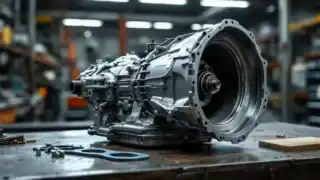
Minor repairs might include replacing solenoids, seals, gaskets, or the transmission filter and fluid. We use Hyundai-specification transmission fluid or equivalent; using the wrong grade can damage seals and worsen shifting quality. For more severe faults, we may rebuild or replace the transmission. A rebuild involves removing the gearbox, disassembling it, replacing worn internal components like clutches and bands, and reassembling it to OEM tolerances. This is labour-intensive work but extends the life of your vehicle without the cost of a new unit.

During any transmission work, we inspect the torque converter, cooler lines, and sensor connections to ensure no secondary faults are overlooked. Once the work is complete, we perform a thorough test drive to confirm smooth engagement, proper shift points, and no noise or vibration. Your Hyundai should feel as it did when it left the showroom.

Cost and Time Factors for Hyundai Transmission Work in the Shire

Transmission repairs vary widely in scope and cost. A fluid and filter change might take an hour or two. Solenoid or gasket replacement typically takes half a day. A full rebuild or replacement can take 3-5 working days depending on parts availability and whether we use genuine Hyundai parts or quality aftermarket alternatives. We will discuss parts options upfront so you understand the difference in cost and warranty coverage.

Parts availability depends on your Hyundai model year and specification. Newer models often have parts in stock locally; older or less common variants may require ordering from Adelaide or Sydney suppliers. We source genuine Hyundai parts when they are cost-effective; for some jobs, OEM-equivalent rebuilt units can offer better value without compromising quality. We always quote transparently before starting work so you are not surprised by the final bill.

Why Choose Shire Tune & Service for Your Hyundai Transmission Needs

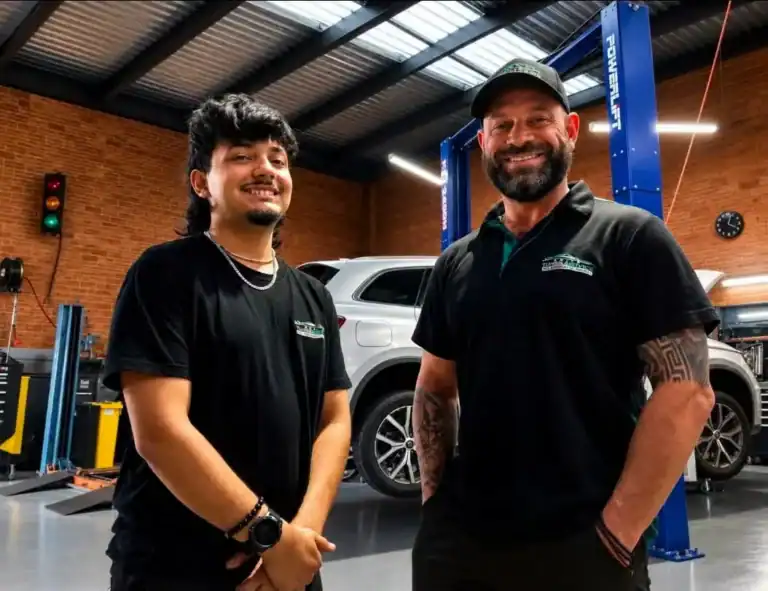
We have spent over 30 years working on vehicles throughout the Sutherland Shire, with 18 years based right here in Kirrawee, specialising in European and Japanese makes. Hyundai vehicles are our bread and butter, and we understand the quirks and common issues specific to each generation. We own the latest diagnostic equipment needed to read Hyundai fault codes accurately, avoiding guesswork that leads to failed repairs or wasted money.

Our owner-operator approach means you are not paying dealership margins or high-pressure upselling. We give you honest advice: if your transmission can be repaired, we will repair it. If replacement is necessary, we will explain why and discuss your options. Your warranty is protected when you service your Hyundai with us; Australian consumer law supports independent servicing, and we use genuine or equivalent parts to ensure long-term reliability. Every job benefits from our commitment to fair, transparent pricing and work that keeps your Hyundai running safely for years to come.

Book Your Hyundai Transmission Inspection in Kirrawee Today

If your Hyundai’s transmission is showing signs of trouble, the sooner you get it diagnosed, the better. Call Us Today to discuss your symptoms, or Book Your Free Inspection online. We will run a full diagnostic and give you a clear picture of what is needed before any work starts. Shire Tune & Service is here to help keep your Hyundai on the road.

Other Services

Whatever your needs we have you covered, see some similar services below or click "See All Services" to explore our full service offering.

Your Trusted Local Mechanic in Kirrawee

We've been looking after cars in Kirrawee and the Sutherland Shire for over 18 years. Owner-operated, honest to the core, and equipped to handle European and Japanese vehicles properly.

30+ Years of Hands-On Experience

Deep experience across European and Japanese makes means faster, more accurate diagnosis.

Honest Pricing, No Surprises

Bring your vehicle in and we’ll assess it and explain exactly what’s needed.

Hyundai Transmission Warranty

All transmission work covered by our warranty, protecting your investment.

How Hyundai Transmission Repair Works

From diagnosis to smooth driving, we handle your Hyundai transmission repair professionally and systematically.

Step 1

Book Your Free Inspection

Book your free inspection to diagnose transmission issues and understand your repair options.

Step 2

Hyundai Transmission Diagnostic Scan

We run a full diagnostic scan using Hyundai-compatible equipment to pinpoint fault codes and behaviour.

Step 3

Precision Transmission Repair

Our technicians repair or rebuild your transmission using OEM-spec parts and Hyundai procedures.

Step 4

Test Drive and Handover

We test your transmission thoroughly, explain the work completed, and return your vehicle ready to drive.

What Our Customers Say

5.0 (Verified Reviews)

Quality Parts From Trusted Suppliers

We source parts from reputable suppliers to keep your vehicle running reliably. Quality components, fitted right the first time.

Book Your Free Inspection

Fill in the form and we'll be in touch to confirm your booking.

Booking Form
  • Vehicle Details
  • Confirm Vehicle
  • Services
  • Contact Details
No Upselling
Fair, Clear Pricing
Local & Experienced

Why Book With Us

Book Your Free Inspection
Drop Off Your Car
We Get to Work
Back on the Road

Got Questions? We Have Answers

Browse the answers below to find what you need. If your question isn't listed, give us a call and we'll sort it out.

We inspect the transmission fluid condition, check for leaks, test shift quality and responsiveness, scan for fault codes using Hyundai-specific diagnostics, and examine the transmission cooler. We also assess the filter and pan gasket. If the fluid is dark, burnt-smelling, or overdue for a change, we recommend replacement. You get a full report of findings before any work begins.

Most Hyundai automatics benefit from a fluid and filter change every 40,000 to 60,000 kilometres, though some newer models may go longer depending on driving conditions. Stop-start city driving, towing, or frequent hot-weather use means servicing sooner. Your logbook or owner’s manual shows the specific interval for your model. Regular servicing catches wear early and keeps shifts smooth.

No. Under ACCC guidance, Australian consumer law generally permits servicing by qualified independent mechanics without affecting manufacturer warranty, provided genuine or equivalent parts are used and work is carried out to proper standards. We use quality parts and diagnostic equipment for Hyundai transmissions. Keep service records and check your warranty documents. If unsure about your cover, confirm directly with Hyundai.

Watch for delayed engagement (slow response when shifting into Drive or Reverse), slipping gears (engine revs without acceleration), grinding or whining noises, fluid leaks under the car, or a burning smell. Transmission fluid turns red or brown when degraded. Any of these warrant a diagnostic inspection quickly. Ignoring them risks more expensive damage. Bring the car in so we can scan for fault codes and assess the issue.

A standard fluid and filter service typically takes 1 to 2 hours. If we find issues during inspection that need addressing such as seal replacement or deeper flushing, it may take longer. We always let you know upfront what we have found and how long repairs will take. In Kirrawee, we can often complete routine services same-day, though we will confirm timing when you book.

We use genuine Hyundai parts or quality OEM-equivalent components that meet Hyundai specifications. Genuine parts carry longer durability and are matched to your transmission design, but equivalent parts work well at better value when they meet the right standard. We discuss options for your situation and never fit sub-standard parts that could cause problems. Quality fluid is especially important and must be Hyundai-spec for your transmission type.

Transmission fluid degrades from heat, friction, and contamination over time. High temperatures inside the gearbox, especially during towing or prolonged city driving, speed up this process. Fluid also absorbs moisture and metal particles as components wear. Dark, burnt-smelling fluid signals breakdown. Regular servicing replaces worn fluid before it damages internal parts. Using the wrong fluid type or skipping services accelerates deterioration.

No, you should have it checked immediately. Slipping happens when fluid pressure drops or friction material wears, so gears cannot grip properly. While the car might still move, this condition worsens rapidly and risks sudden transmission failure on the road, leaving you stranded. Early diagnosis often means simple fixes like fluid top-up or filter change. Delay usually leads to major repair costs and safety risk.

Transmission fluid serves multiple critical roles: it provides hydraulic pressure to engage gears, lubricates moving parts, cools the transmission, and carries away wear particles. It also contains detergents and friction modifiers that help smooth gear shifts. As fluid ages and loses these properties, shifts become rough, efficiency drops, and internal wear accelerates. Fresh, clean fluid is essential for reliable operation and longevity of your transmission.

A standard drain and refill removes most old fluid and particles, which is sufficient for routine maintenance on transmissions in good condition. A full flush uses specialised equipment to purge the entire system and is recommended if fluid is severely contaminated, after high-mileage use, or if previous servicing was neglected. We assess your transmission during inspection and recommend the right approach for your vehicle’s condition and history.

Transmission warning lights indicate fault codes that range from minor sensor issues to serious mechanical problems. Ignoring them risks progressive damage that transforms a small fix into a major repair bill. Some warnings mean loss of power, limp-mode operation, or sudden failure. Early diagnosis using proper diagnostics tools identifies the real issue. We scan your system, explain what the code means, and advise on next steps to prevent further damage.

No, transmission fluid should never leak. Even small drips indicate a problem with seals, gaskets, pan bolts, or cooler lines. Leaks reduce fluid pressure and volume, causing slipping, overheating, and accelerated wear. Ignoring leaks leads to catastrophic transmission damage. We inspect for leaks during service, identify the source, and repair seals or lines to stop the problem. Regular checks catch leaks early before they become expensive.

Continue to site