
30+ Years Experience
Honest, Clear Pricing
5.0★ Rating
All Makes & Models

5.0 (Verified Reviews)

Local Japanese Vehicles Transmission Repair In Kirrawee

Transmission problems in your Japanese vehicle need accurate diagnosis and honest advice. We'll identify the fault, explain your options, and get you back on the road reliably.

Expert Diagnostics

Honest Advice

5.0★ Rating

Japanese Transmission Experts

Book Your Free Inspection

Fill in the form and we'll be in touch to confirm your booking.

Booking Form
  • Vehicle Details
  • Confirm Vehicle
  • Services
  • Contact Details
No Upselling
Fair, Clear Pricing
Local & Experienced

Why Book With Us

Book Your Free Inspection
Drop Off Your Car
We Get to Work
Back on the Road

Japanese vehicles transmission repair is one of the most important services we perform at our Kirrawee workshop. Whether your Toyota, Honda, Mazda, Nissan, Subaru, or Mitsubishi has developed a slipping transmission, grinding noises, or delayed gear engagement, the transmission is what converts engine power into movement. When it’s not working properly, your car becomes unreliable and unsafe. We diagnose and repair Japanese vehicle transmissions using the same diagnostic tools and procedures that dealerships use, but without the dealership markup or unnecessary upselling.

Common signs your Japanese vehicle transmission needs attention

Transmission problems often announce themselves before they become catastrophic. If you notice any of these symptoms in your Japanese vehicle, get it inspected before small issues turn into expensive repairs.

  • Transmission fluid leaks beneath the vehicle (reddish fluid on the ground)
  • Slipping gears, where the engine revs but the car doesn’t accelerate smoothly
  • Delayed engagement when shifting from Park or Neutral into Drive or Reverse
  • Grinding or shaking sensations when changing gears
  • Burning smell from under the bonnet, often indicating overheated transmission fluid
  • Warning lights on the dashboard (check engine or transmission warning)
  • Harsh or jerky shifts, especially in automatic transmissions
  • Difficulty selecting gears in manual transmissions, or grinding when shifting

Many of these symptoms worsen quickly once they start. A slipping transmission or low fluid level can cause internal damage within hours of hard driving. That’s why we always recommend a prompt inspection rather than waiting to see if the problem resolves itself.

How we diagnose Japanese vehicle transmission problems

Our approach to Japanese vehicles transmission repair starts with accurate diagnosis. We don’t assume what’s wrong based on a symptom alone. We use live data scanning specific to your vehicle’s make and model to read transmission fault codes, fluid pressure readings, and shift timing data. This tells us whether the problem is internal (worn gears or seals), external (wiring or solenoid issues), or fluid-related.

For Japanese automatics like Toyota’s 6-speed and 8-speed units, Mazda’s i-Activsense systems, and Honda’s transmissions, we follow the manufacturer’s diagnostic protocols. We check transmission fluid condition, level, and temperature. We perform range checks in each gear position and monitor how the transmission responds to load. For manual transmissions, we assess clutch feel, gear selection smoothness, and any noise during operation.

If a transmission warning light is on, the onboard computer has recorded a code that points us toward the fault area. This means we can be very specific about what needs fixing instead of replacing parts blindly. Common Japanese transmission issues include failing solenoids (which control oil flow to engage gears), low or dirty transmission fluid, seal leaks, and occasionally internal wear. Once we’ve diagnosed the root cause, we’ll explain exactly what it is and what your repair options are.

What happens during a Japanese vehicles transmission repair

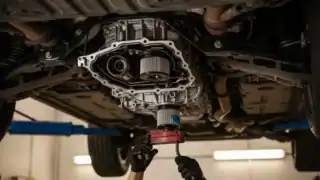
The repair process depends entirely on what the diagnostic scan reveals. If it’s a fluid issue, we’ll drain the old fluid, replace the filter, and refill with specification-matched fluid for your vehicle. Many Japanese automatic transmissions require fluid changes at specific intervals, and using the correct fluid type is critical for transmission longevity.

If solenoids have failed, we can replace them without removing the transmission. If seals are leaking, we’ll identify where the leak is and replace the failed seal. For more serious internal damage, we discuss whether a repair, rebuild, or replacement gearbox is the best path forward. We source genuine Japanese OEM parts where they’re cost-effective, and quality equivalents where appropriate, always ensuring the parts meet your vehicle’s specification.

Throughout the repair, we keep you informed. You’ll know what we’re doing, why we’re doing it, and what the expected outcome is before we start work. No surprises, no upselling pressure, just honest work and fair pricing.

Cost and timeframe factors for transmission work in Kirrawee

Transmission repair cost and duration vary based on the fault. A transmission fluid and filter service takes a few hours. Solenoid replacement usually takes a day. Full transmission removal and rebuild or replacement takes considerably longer and costs more, but it’s sometimes the right choice if internal damage has occurred.

Parts availability plays a role too. Genuine Japanese OEM parts are usually available quickly, but some components may need to be ordered. We’ll give you an honest estimate of how long the repair will take and confirm timeframes before we start, so you can plan around it.

Why choose Shire Tune & Service for Japanese vehicle transmission repair

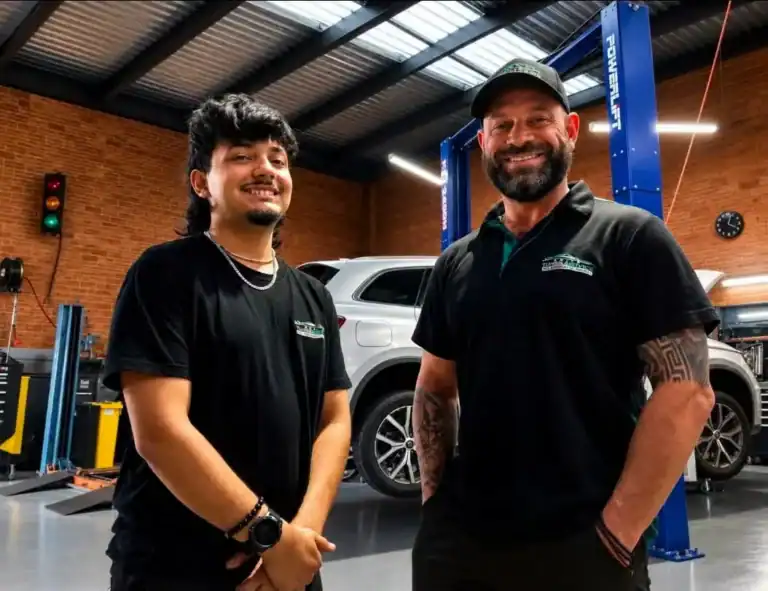
Over 30 years of hands-on mechanical experience and 18 years serving the local Kirrawee and Sutherland Shire community means we’ve seen every Japanese transmission issue that comes through the door. We’re specialists in European and Japanese vehicles, and we have the up-to-date diagnostic equipment to match dealership capability at independent pricing. Unlike quick-fit chains that focus on volume, we take the time to diagnose correctly and repair properly. And unlike franchised dealerships, we won’t upsell you on parts you don’t need or pressure you into unnecessary work.

We use genuine parts and quality equivalent components matched to your vehicle’s specification, and every repair is done in a way that protects your manufacturer warranty. Our approach is fair, transparent pricing with no hidden charges. We explain what’s wrong, what your options are, and what each option costs before you decide.

Get your Japanese vehicle transmission inspected

If your Toyota, Honda, Mazda, Nissan, Subaru, or Mitsubishi is showing any transmission warning signs, Call Us Today for a diagnostic inspection. We’ll identify the fault, explain what’s needed, and give you an honest recommendation. You can also Book Your Free Inspection online to bring your car in and have us look at the transmission. Either way, we’ll make sure you understand what’s happening with your Japanese vehicle’s transmission and what it’ll take to get it running reliably again.
Other Services

Whatever your needs we have you covered, see some similar services below or click "See All Services" to explore our full service offering.

Your Trusted Local Mechanic in Kirrawee

We've been looking after cars in Kirrawee and the Sutherland Shire for over 18 years. Owner-operated, honest to the core, and equipped to handle European and Japanese vehicles properly.

30+ Years of Hands-On Experience

Deep experience across European and Japanese makes means faster, more accurate diagnosis.

Honest Pricing, No Surprises

Bring your vehicle in and we’ll assess it and explain exactly what’s needed.

Japanese Gearbox Knowledge

We repair Japanese transmissions with specialist knowledge and proper diagnostic tools.

How Japanese Transmission Repair Works

Get your transmission diagnosed and repaired by specialists using Japanese-compatible diagnostic equipment.

Step 1

Book Your Free Inspection

Book your free inspection to diagnose transmission faults and understand what repairs are needed.

Step 2

Transmission Diagnostic Scan

We scan using Japanese-compatible equipment to identify fault codes and locate the root cause.

Step 3

Precision Transmission Repair

We repair or replace damaged components using OEM-specification parts and manufacturer procedures.

Step 4

Final Test And Handover

We test-drive your vehicle, verify smooth shifting, then hand it back ready for the road.

What Our Customers Say

5.0 (Verified Reviews)

Quality Parts From Trusted Suppliers

We source parts from reputable suppliers to keep your vehicle running reliably. Quality components, fitted right the first time.

Book Your Free Inspection

Fill in the form and we'll be in touch to confirm your booking.

Booking Form
  • Vehicle Details
  • Confirm Vehicle
  • Services
  • Contact Details
No Upselling
Fair, Clear Pricing
Local & Experienced

Why Book With Us

Book Your Free Inspection
Drop Off Your Car
We Get to Work
Back on the Road

Got Questions? We Have Answers

Browse the answers below to find what you need. If your question isn't listed, give us a call and we'll sort it out.

Common warning signs include slipping gears, delayed engagement when shifting, grinding or whining noises, fluid leaks under the car, a burning smell, or a check engine light on your dashboard. If your automatic transmission hesitates between gears or your manual gearbox feels notchy, these also warrant inspection. The sooner you get your transmission assessed, the better. Ignoring these symptoms can lead to more extensive and costly damage, so we recommend bringing your car in as soon as you notice anything unusual with how it shifts or feels.

Transmission repair costs vary significantly depending on what’s wrong. A simple fix like replacing fluid and filter costs far less than internal component repairs or a full rebuild. Japanese vehicle transmissions, particularly Toyota and Nissan models, can range from minor adjustments to major overhauls. We diagnose the issue first using our diagnostic equipment, then provide a transparent quote so you know exactly what’s needed and what you’ll pay before we start work. We never charge for the diagnosis itself.

Under ACCC guidance, having your vehicle serviced and repaired by a qualified independent mechanic generally does not automatically void your manufacturer warranty. The key is that the work must be done properly and use genuine or quality equivalent parts. However, warranty terms can vary between manufacturers, so we recommend checking your specific vehicle’s warranty documents or contacting your manufacturer directly to confirm. We use quality parts and proper diagnostic methods to protect your warranty while keeping costs fair.

Simple repairs like fluid replacement or sensor fixes can often be completed same-day or within a few hours. More complex work such as internal repairs or component replacement typically takes one to three days depending on parts availability and the extent of the damage. We’ll give you a realistic timeframe once we’ve diagnosed the issue. For those in Kirrawee, we can discuss loan vehicles or alternative transport options if you need extended work completed.

We start by listening to your description of how the transmission feels and behaves. Next, we plug your car into our up to date diagnostic equipment to read fault codes and transmission data. We then perform a test drive to feel how it shifts under load and check for any abnormal sounds or behaviour. Finally, we inspect the fluid colour and condition, and examine external components. This thorough process lets us pinpoint whether the issue is electrical, mechanical, or fluid related, so you know exactly what repair is needed.

Yes, significantly. Automatic transmissions are complex hydraulic systems with multiple planetary gears and solenoids that require specialised diagnostic tools and knowledge. Manual gearboxes focus more on clutch wear, synchroniser rings, and linkage issues. Japanese vehicles often use both types, and we have experience servicing both. The diagnostic approach, parts involved, and repair techniques are quite different, which is why choosing a mechanic familiar with your specific transmission type matters.

Transmission slipping usually stems from low or dirty fluid, worn friction material inside the transmission, a failing torque converter, or electrical issues with shift solenoids. In manual gearboxes, a worn clutch is the most common cause. Slipping is your transmission not holding power properly, so the engine races but the car doesn’t accelerate smoothly. This is a safety concern and should be inspected promptly. Continuing to drive a slipping transmission can cause overheating and permanent internal damage that becomes much more expensive to repair.

Most Japanese vehicles benefit from transmission fluid and filter changes every 40,000 to 80,000 kilometres, though some modern models may go longer. Your vehicle’s logbook outlines the manufacturer’s recommended schedule. Regular servicing keeps fluid clean and helps prevent wear on internal components. We check your transmission during every service to catch early warning signs. Following the schedule significantly extends transmission life and helps avoid costly repairs later. If you’re unsure of your vehicle’s schedule, bring your logbook in and we’ll confirm what’s needed.

Yes, we can source and fit genuine parts for Japanese manufacturers, as well as quality equivalent parts that meet OEM specifications. Genuine parts carry full compatibility assurance and maintain your warranty standing. For common Japanese makes like Toyota, Nissan, Honda, and Subaru, we have established parts suppliers and can usually obtain components within a few days. We’ll discuss your parts options when we provide your repair quote, so you can choose based on your preference and budget.

Stop driving the car and have it inspected as soon as possible. A transmission fluid leak is serious because the fluid lubricates and cools internal components. Low fluid levels cause friction, overheating, and rapid wear that can permanently damage the transmission. The leak source could be a simple gasket seal, a cracked pan, or a more complex internal issue. We diagnose where it’s leaking and repair the source properly. Delaying means risking a complete transmission failure, which is far more costly than addressing the leak early.

It depends on the specific fault, but transmission related check engine lights warrant prompt diagnosis. Some faults are minor electrical issues that don’t immediately affect drivability, while others signal serious problems like low fluid pressure or failing sensors. Driving with an undiagnosed transmission fault risks further damage. We scan the fault codes using our diagnostic equipment to determine whether it’s safe to drive to our workshop or if you should have it towed. Never ignore a transmission related warning light, as catching issues early always costs less than waiting.

Some Japanese makes have known issues worth monitoring. Certain Toyota and Nissan automatics can develop shift quality problems or solenoid wear over time. Honda transmissions occasionally develop judder or delayed engagement. Subaru CVTs have reputation concerns in some model years. That said, most Japanese vehicles have reliable transmissions when maintained properly. We’ve serviced thousands of Japanese vehicles across Kirrawee and the Shire, and proper fluid changes and early diagnosis prevent most problems. If you own a Japanese vehicle, following the logbook schedule is your best defence against unexpected transmission troubles.

Continue to site