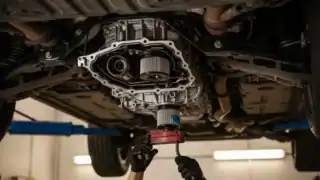
Mitsubishi transmission repair in Kirrawee requires a careful diagnostic approach because Mitsubishi gearboxes are engineered to specific tolerances, and symptoms that look straightforward on the surface often trace back to more nuanced mechanical or electronic faults. Whether your Mitsubishi has an automatic or manual transmission, the difference between a simple fluid change and a complete rebuild often comes down to how early the problem is identified and how thoroughly it’s investigated. We’ve spent 18 years servicing Mitsubishi vehicles across the Sutherland Shire, and what we’ve learned is that transmission issues almost always announce themselves before they become critical — you just have to know what to listen for.
Common Signs Your Mitsubishi Transmission Needs Attention
Mitsubishi automatic transmissions, especially in models like the Outlander, ASX, and Lancer, can develop specific wear patterns that show up in predictable ways. If you notice any of these symptoms, have your vehicle inspected by a qualified technician rather than continuing to drive it:
- Difficulty shifting into gear or a noticeable delay when accelerating from a standstill
- Slipping under load (engine revs rise but the car doesn’t accelerate smoothly)
- A burning smell coming from beneath the vehicle, typically indicating overheated transmission fluid
- Rough or jerky shifts, especially between second and third gear
- Transmission warning light appearing on the dashboard
- Whining or grinding noise from the gearbox area
- Fluid leaks visible beneath where your Mitsubishi is parked
For manual transmissions, watch for difficulty engaging gears, a clutch that feels soft or doesn’t fully disengage, or grinding when shifting. These symptoms often worsen over weeks rather than appearing suddenly, which means the window to catch the problem early is fairly forgiving — but only if you act when you first notice something isn’t right.
How We Diagnose Mitsubishi Transmission Problems
Our diagnostic process for Mitsubishi automatic gearbox repairs starts with plugging into your vehicle’s onboard computer to retrieve stored fault codes. Mitsubishi uses a specific diagnostic protocol, and understanding what those codes mean in the context of your actual driving experience is crucial. A code might point to a solenoid issue, a sensor fault, or internal wear — and the appropriate fix depends on reading that code correctly alongside a thorough inspection.
We then perform a hands-on check: fluid colour and condition, transmission pan inspection for metal shavings or debris (which signal internal wear), and a road test to feel exactly when and how the transmission behaves. For automatic transmissions, this might involve checking pressure readings at idle and under load. For manual boxes, we inspect the clutch assembly and verify that gear engagement is smooth and complete.
Once we understand the root cause, we explain it clearly. Mitsubishi transmissions can sometimes recover with just a fluid and filter change if caught early, but they can also require internal repairs or, in cases of severe damage, a complete rebuild or replacement. We’ll walk you through the options, the cost difference between them, and what each choice means for your vehicle’s reliability going forward.
What Affects the Cost and Timeline for Mitsubishi Transmission Repair in Kirrawee
A transmission fluid and filter service can often be completed within a day and costs far less than internal repairs. However, if the diagnosis reveals worn clutches, damaged seals, or a faulty solenoid, the scope expands significantly. Parts availability plays a role — Mitsubishi genuine parts are generally reliable to source, but lead times can vary depending on which specific component is needed.
The condition of your transmission fluid is often the biggest early cost saver. Fresh, clean fluid with the correct Mitsubishi specification can extend transmission life considerably. Delaying a fluid service when symptoms first appear, by contrast, allows metal particles and varnish to accumulate, accelerating internal wear and pushing a potentially simple repair into a major one.
Whether we use genuine Mitsubishi parts or quality aftermarket equivalents also influences cost. We stock both and will recommend based on what makes sense for your vehicle’s age and your priorities — we don’t push unnecessary upgrades, and we always discuss options upfront so you know what you’re paying for.
Why Shire Tune & Service for Your Mitsubishi Transmission Repair
We specialise in Japanese vehicles, and Mitsubishi is a core part of that expertise. Our diagnostic equipment is current and calibrated specifically for Mitsubishi systems, which means we can read fault codes accurately and avoid guesswork. Over 30 years in the trade has taught us that transmission issues are rarely simple, and rushing through the diagnosis is where customers get hurt — either with unnecessary parts replacements or with repairs that don’t actually solve the underlying problem.
We’re a local owner-operator based in Kirrawee, not a franchise or chain. That means when you come in with a transmission concern, you’re talking to someone who has hands-on experience with dozens of Mitsubishi models and understands how these gearboxes behave over time. We give honest advice: if a fluid change will help, we’ll say so. If internal repair is necessary, we’ll explain why and what it involves. No upselling, no pressure to replace parts you don’t need, and no surprises on the bill.
We also honour manufacturer warranty on genuine parts and our workmanship, so if you’re concerned about how transmission repair might affect your vehicle’s coverage, we’ll address that directly when you call or visit.
Next Steps
If your Mitsubishi is showing any of the symptoms mentioned above, don’t wait. Call Us Today to describe what you’ve noticed, and we’ll let you know whether a quick phone diagnosis is possible or whether your vehicle needs to come in for a full inspection. If you’d prefer to book a time that suits your schedule, Book Your Free Inspection online. We’ll get to the bottom of what’s happening with your transmission and give you a clear, honest plan to move forward.