A worn or slipping clutch in your Volkswagen can turn a smooth drive into a frustrating grind, literally. Volkswagen clutch replacement is one of those services that separates casual car maintenance from keeping your vehicle genuinely reliable. When your clutch starts to fail, you’re not just facing an uncomfortable driving experience — you’re risking transmission damage and a breakdown at the worst possible moment. We service Volkswagens across Kirrawee and the Sutherland Shire, and clutch issues are something we see regularly in Golfs, Passats, Jettas, and Beetles of varying ages. The good news is that a proper clutch replacement, done by someone who understands Volkswagen engineering, restores your car’s drivability and protects the rest of your drivetrain from secondary damage.
Signs Your Volkswagen Clutch Needs Replacement
The clutch is a wear component, and unlike your brakes or tyres, you can’t just top it up or patch it. Once it starts to go, replacement is the only real solution. Here are the symptoms that bring Volkswagen owners into our workshop:
- Difficulty engaging gears or grinding sounds when you shift, especially into first or reverse
- A soft or spongy clutch pedal that doesn’t feel firm, or one that sits unusually high or low
- Clutch slipping under acceleration – the engine revs rise but the car doesn’t accelerate smoothly, or you lose power going uphill
- A burning smell when driving, particularly noticeable in heavy traffic or on steep grades
- Juddering or shuddering when you press the pedal, especially when starting from a stop
- The pedal feels stiff or requires excessive pressure to operate
Any one of these warrants a proper inspection. Ignoring a failing clutch can lead to heat damage in the transmission and flywheel, which turns a straightforward clutch job into a much bigger repair bill.
What Happens During a Volkswagen Clutch Replacement in Kirrawee
We don’t just pull the clutch out and bolt in a new one. A Volkswagen clutch replacement involves several critical steps, and the quality of the work depends on attention to detail at each stage.
Initial Inspection and Diagnostics
We start by confirming that the clutch is actually the problem. We’ll test the pedal feel, drive the vehicle to assess any slipping or grind, and check for leaks around the clutch area. Some symptoms that feel like clutch failure can actually be master cylinder or hydraulic issues specific to Volkswagen models. We use diagnostic equipment to rule out electrical faults or transmission concerns that might mimic clutch wear.
Removing the Transmission
To access the clutch, the transmission must come out. This is labour-intensive but unavoidable. We carefully disconnect the gearbox, remove the engine sump if needed (depending on your Volkswagen model), and clear the clutch bell housing. The work is methodical – rush this step and you risk damaging engine mounts, wiring, or transmission seals.
Inspecting the Flywheel and Pressure Plate
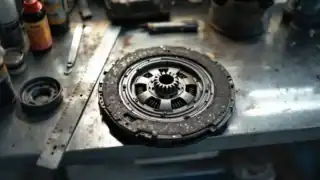
Once the clutch is exposed, we inspect the flywheel for scoring, heat damage, or wear. If it’s damaged, it needs resurfacing or replacement. The pressure plate (the part that clamps the clutch disc) is examined for wear and cracks. Sometimes the pressure plate needs replacement alongside the clutch disc; sometimes we can reuse it. This decision affects cost and longevity, and we explain the options upfront.
Installing OEM or Equivalent Parts
We fit either genuine Volkswagen clutch components or high-quality equivalent parts that meet OEM specifications. The clutch disc, pressure plate, and release bearing are all renewed. We bleed and adjust the hydraulic clutch system to ensure proper pedal feel. Volkswagen models use different clutch sizes and hydraulic configurations, and we match the exact specification for your model to ensure proper function and longevity.
Reassembly and Testing
The transmission goes back in, fluid is topped up and bled, and we run a thorough test drive. We check for smooth engagement, firm pedal feel, and no slipping under load.
What Affects Cost and Turnaround Time
Several factors influence how long a clutch replacement takes and what it costs. Model variation matters – a Golf clutch job differs from a Passat or Jetta in terms of access and labour time. If the flywheel needs resurfacing or replacement, that adds time and cost. Parts availability can affect scheduling; genuine Volkswagen parts usually arrive quickly, but we always confirm availability upfront.
We price our work fairly and explain what’s needed before we start. Labour time varies between 4 to 8 hours depending on the model and condition of related components. Parts cost depends on whether you choose genuine Volkswagen components or equivalent alternatives – both work well, and we can discuss the trade-offs with you.
Why Choose Shire Tune & Service for Your Volkswagen Clutch Replacement
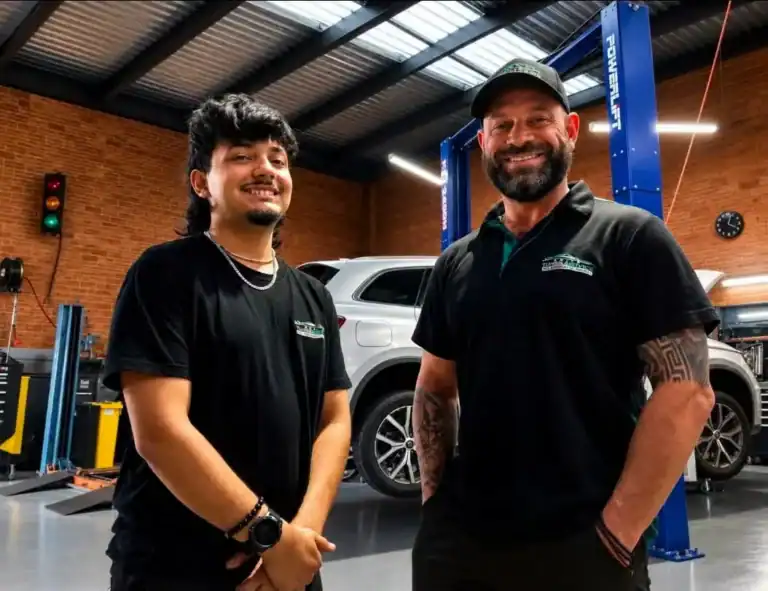
We’ve been servicing European and Japanese vehicles across Kirrawee and the Sutherland Shire for over 18 years, and Volkswagens form a significant part of our work. We have up-to-date diagnostic equipment and hands-on experience with Volkswagen’s range of models, engines, and clutch systems. We use genuine or OEM-equivalent parts, and our work protects your vehicle’s manufacturer warranty.
You won’t be upsold into repairs you don’t need. We inspect the flywheel, pressure plate, and release bearing properly and tell you honestly whether they need replacing or can be reused. We’ll explain the cost difference between genuine and equivalent parts and let you decide. Our owner-operator approach means consistency – the same care and transparency every time you come in.
Call Us Today to Book Your Free Inspection and discuss your clutch concerns. We’re here to get your Volkswagen back to smooth, reliable driving in Kirrawee.