A failing clutch can make driving frustrating and unpredictable, especially if you’re relying on your Jeep for daily work or family trips around Kirrawee and the Sutherland Shire. Jeep clutch replacement is one of those services that often catches owners by surprise, but understanding what’s happening and why you need it done properly makes the process straightforward. We’ve seen plenty of Jeep owners delay clutch work because they’re unsure whether the symptoms they’re noticing actually mean replacement is necessary, or they’re worried about cost and downtime. The truth is, addressing clutch wear early usually saves money and keeps your Jeep reliable.
Warning Signs Your Jeep Clutch Needs Replacement
The clutch in your Jeep does one essential job: it disconnects the engine from the transmission when you press the pedal, and re-engages it smoothly when you release it. When the clutch starts to wear, you’ll notice specific symptoms that shouldn’t be ignored.
- A spongy or soft clutch pedal that doesn’t feel firm under your foot
- Difficulty engaging gears, especially reverse or first gear
- Slipping under acceleration, where engine revs climb but the vehicle doesn’t accelerate smoothly
- A burning smell when you’re driving, particularly noticeable after heavy traffic or towing
- Grinding noises when you shift gears, even with the pedal fully pressed in
- Needing to hold the pedal partially engaged to keep the Jeep moving
These symptoms don’t always mean immediate failure, but they do mean your clutch is wearing and replacement will be needed soon. Driving with a failing clutch puts extra load on the transmission and flywheel, so getting it sorted before complete failure prevents secondary damage that costs more to fix.
How Jeep Clutch Replacement Works at Our Kirrawee Workshop
Replacing a clutch in a Jeep involves removing the transmission from the vehicle to access the clutch assembly. It’s not a quick job, but it’s a straightforward repair when done properly with the right equipment and parts.
Our inspection and diagnostic process
Before we recommend replacement, we perform a thorough inspection of your Jeep’s clutch system. We listen to the symptoms you’ve noticed, test the clutch pedal feel and engagement point, and often perform a road test to confirm the issue. If the clutch is slipping or struggling to engage, that confirms wear. We also inspect the flywheel and pressure plate while we’re diagnosing, because these components sometimes need attention at the same time as the clutch disc. Using our diagnostic equipment, we can check whether any transmission fault codes are present, which helps us rule out other causes of shift difficulty.
The replacement process
Once replacement is confirmed, we remove the transmission, unbolt the pressure plate and clutch disc from the flywheel, and inspect the flywheel surface for damage or excessive wear. If the flywheel needs resurfacing or replacement, we address that now rather than leaving it for a future failure. We fit genuine OEM-equivalent clutch components matched to your Jeep’s specific model, then reassemble everything to specification. New clutch fluid is part of the service, as the system needs flushing during transmission removal. After reassembly, we road test the Jeep to confirm smooth engagement, firm pedal feel, and no slipping or noise.
Why Jeep-specific service matters
Jeeps, particularly Wrangler and Cherokee models, have varying clutch specifications depending on year, transmission type, and whether the vehicle was used for towing. Using the correct OEM-spec parts ensures your Jeep’s clutch engages at the right pressure point and lasts as long as it should. We’re familiar with Jeep clutch systems and know which models are prone to premature wear, which helps us spot early signs and explain what’s happened. This makes a real difference to how long your replacement clutch will last and how it performs day to day.
What Affects Cost and Timeframe for Jeep Clutch Replacement
Several factors influence the price and how long clutch replacement takes. The condition of your Jeep’s flywheel is the biggest variable, because a damaged or excessively worn flywheel needs resurfacing or replacement, which adds to the job. Parts availability matters too; genuine Jeep parts are usually in stock or arrive quickly, but if you opt for an alternative supplier, lead time can stretch. Your Jeep’s model and transmission type also affect labour time, because some Jeep configurations require more time to access the transmission than others.
We don’t quote a fixed price without inspecting your Jeep, because doing so would mean guessing at whether your flywheel needs work. Once we’ve diagnosed the issue, we’ll give you a clear, itemised quote with no surprises. We use genuine or OEM-equivalent parts, which costs more upfront than budget alternatives but protects your Jeep’s long-term reliability and resale value.
Why Shire Tune & Service for Your Jeep Clutch Replacement
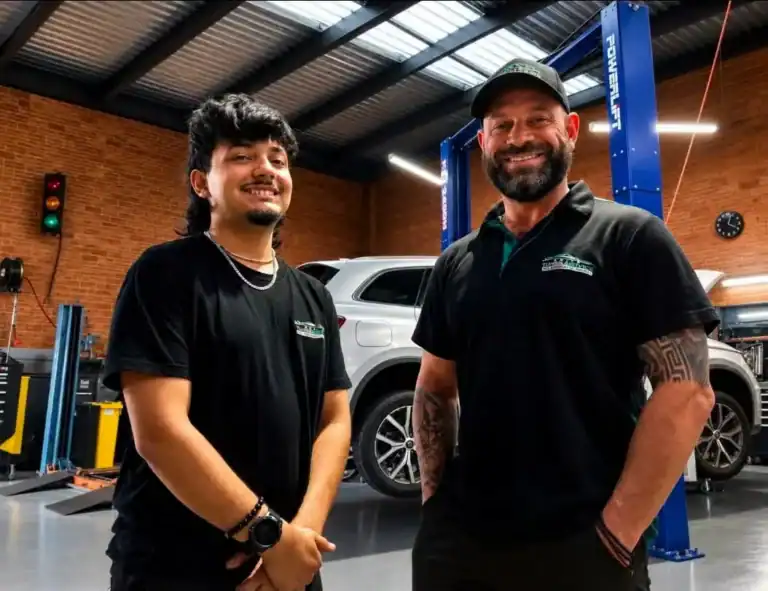
We’ve been servicing Jeeps and other makes around Kirrawee and the wider Shire for over 18 years. Our workshop is equipped with the diagnostic tools needed to accurately assess clutch wear and related transmission issues, so you’re not paying for guesswork. We specialise in both European and Japanese vehicles, and we service all makes and models with the same attention to detail and honest advice. When we recommend Jeep clutch replacement, it’s because the evidence supports it, not because we’re chasing a bigger job. We source genuine parts that meet Jeep’s specifications, and we stand behind our work with transparent, fair pricing and no upselling pressure. You’ll know exactly what needs doing and why before we start any work.
Book Your Jeep Clutch Replacement
If you’ve noticed any of the symptoms listed above, or your Jeep feels like the clutch is slipping, get in touch. Call Us Today or Book Your Free Inspection online, and we’ll diagnose the issue and walk you through your options. We’ll get your Jeep back to reliable, smooth shifting in Kirrawee.