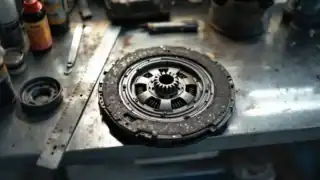
A worn or failing clutch can leave you stranded, unable to engage gears smoothly or unable to move the vehicle at all. Japanese vehicles, particularly Toyota, Mazda, Nissan, and Honda models, rely on precise clutch engagement for reliable daily operation, and clutch replacement is one of those repairs that cannot be deferred once symptoms appear. At Shire Tune & Service in Kirrawee, we diagnose and replace clutches on Japanese vehicles using proper diagnostic equipment and genuine or equivalent parts that meet OEM specifications, ensuring your vehicle returns to smooth, predictable operation.
Warning Signs Your Japanese Vehicle Needs Clutch Replacement
The clutch is a wear item, and your driving habits, vehicle age, and how the vehicle has been maintained all affect how long it lasts. Rather than guess, look for these clear symptoms:
- Clutch pedal feels soft, spongy, or sits much lower than usual
- Difficulty engaging gears, especially first gear or reverse
- Grinding noise when you press the clutch pedal
- Clutch slipping under acceleration (engine revs but car doesn’t respond as expected)
- Burning smell when using the clutch, particularly during heavy traffic or towing
- Clutch pedal requires significant pressure to disengage the gears
Most Japanese vehicles with manual transmissions show clear warning signs before total failure. If you notice any of these, bring the vehicle in for diagnosis rather than continuing to drive with a degraded clutch. The longer you wait, the more damage may occur to the flywheel or pressure plate, which increases the cost and complexity of the repair.
What We Do: Japanese Vehicles Clutch Replacement Step-by-Step
Clutch replacement on Japanese vehicles requires methodical work to ensure correct reassembly and proper engagement. We start by lifting the vehicle safely and accessing the transmission from underneath. The transmission must be removed to expose the clutch assembly, and this step is where precision and experience matter.
Diagnosis and Inspection
Before we remove anything, we confirm the fault is genuinely the clutch and not a hydraulic leak, transmission problem, or worn release bearing masquerading as clutch failure. We test pedal pressure, engagement point, and how the vehicle behaves under load. For Toyota and Nissan models, we cross-reference their logbook service intervals and OEM specifications to understand how this particular vehicle should feel. For Honda and Mazda vehicles, we account for their factory tolerances and engagement characteristics, which differ meaningfully from other brands.
Removal and Flywheel Assessment
Once the transmission comes out, we inspect the flywheel for wear, scoring, or glazing. The flywheel is the rotating plate that the clutch disc presses against, and a damaged flywheel will cause a replacement clutch to fail prematurely. For most Japanese models, we resurface the flywheel to provide a clean, flat surface for the new clutch disc. If resurfacing isn’t possible because the flywheel is too thin or damaged beyond specification, we replace it. This honest assessment saves you money and future heartache.
Clutch Assembly Installation
We then install the new clutch disc, pressure plate, and release bearing. Each component is torqued to the manufacturer’s specifications, not guessed at. The alignment is critical: if the clutch disc isn’t centred correctly on the flywheel, gears will grind and the clutch will feel off balance. We use a pilot tool to centre the disc precisely before tightening the pressure plate bolts. The transmission is then refitted, the hydraulic system is bled to remove any air, and we test the clutch engagement through its full range before returning the vehicle to you.
Parts and Specifications for Japanese Makes
We use genuine OEM parts or equivalent components that meet the manufacturer’s friction coefficient and durability standards. This matters because a clutch that feels harsh or grabs unexpectedly in a Toyota will drive differently in a Nissan, and we respect those design differences. Mazda clutches engage progressively. Honda clutches engage sharply. Nissan and Toyota sit somewhere in between. We don’t force a one-size-fits-all approach. Where budget-conscious alternatives exist, we discuss them with you upfront, showing you the difference in quality and expected lifespan rather than pushing one option over another.
What Affects Cost and Repair Time for Japanese Vehicles Clutch Replacement in Kirrawee
The cost of clutch replacement depends on several factors. The vehicle model influences labour time: some Japanese models have the transmission positioned more accessibly than others, which affects how long the removal and refitting takes. Newer vehicles with dual-mass flywheels or self-adjusting mechanisms may have additional components to service. The condition of the flywheel also matters; if it requires resurfacing only, the cost is lower. If it’s too damaged and must be replaced, the total rises.
Parts availability is rarely an issue for common Japanese models like Toyota Corolla, Mazda 3, Honda Civic, or Nissan Pulsar, but less common variants or older imports may require a few days to source. We’ll confirm availability and lead time before we start the work so there are no surprises. Repair time typically ranges from several hours to a full working day, depending on vehicle accessibility and whether additional components need attention. We won’t hold your vehicle hostage waiting for parts; we’ll give you a realistic timeframe upfront.
Why Choose Shire Tune & Service for Your Japanese Vehicle’s Clutch
Over 30 years of hands-on experience working on Japanese vehicles means we’ve seen every clutch failure pattern and diagnostic quirk these brands throw at us. For 18 years we’ve been servicing the Kirrawee area, and many of our customers return because we diagnose correctly the first time and don’t recommend work you don’t actually need. We use up-to-date diagnostic tools to confirm clutch failure and rule out competing faults like transmission problems or hydraulic leaks that can mimic clutch symptoms.
We’re Japanese vehicle specialists with the equipment and knowledge to handle European makes as well, so your vehicle gets proper care regardless of the badge. We stand by our work with genuine parts and transparent pricing, and we won’t upsell you into components your vehicle doesn’t need. Your manufacturer warranty isn’t harmed by choosing an independent workshop for clutch replacement, and the cost reflects honest labour rates, not dealership pricing pressure. Every job gets the same attention to detail, whether it’s a high-mileage family car or a performance-oriented import.
Next Steps: Book Your Free Inspection Today
If your Japanese vehicle is showing clutch symptoms or you’re unsure whether replacement is necessary, book your free inspection with us. We’ll drive the vehicle, feel the clutch engagement, and tell you exactly what’s needed. Call Us Today or Book Your Free Inspection online, and we’ll get your clutch sorted and your vehicle reliable again.