European vehicles demand a different approach to suspension work. Whether you own a BMW, Mercedes, Audi, Volkswagen, or another European marque, your car’s suspension system is engineered to precise OEM specifications and relies on diagnostic systems that general mechanics often struggle to interpret. A European vehicles suspension specialist in Kirrawee understands these systems inside out. We’ve spent over 30 years working on European suspension architecture, and the last 18 of those years serving local drivers in Kirrawee who expect dealer-level diagnostics without the dealership price tag.
Signs Your European Vehicle Suspension Needs Attention
European cars signal suspension problems clearly if you know what to listen for. The first warning is often a change in how the car handles or feels through the steering wheel.
- Soft or spongy steering response that feels vague or delayed
- Excessive bouncing after hitting bumps, or the car not settling smoothly
- Clunking or creaking noises when turning or going over rough ground
- One corner of the car sitting noticeably lower than the others
- Uneven tyre wear, especially at the inner or outer edges
- The car leaning heavily to one side during cornering
- A knocking sound when braking, particularly from the front end
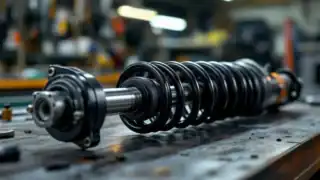
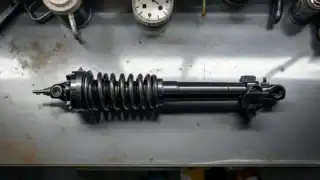
- Visible fluid leaks near the wheels, especially oily residue on shock absorbers
European suspension systems are tightly integrated with steering geometry and brake performance. That’s why a soft or wandering feel at the wheel often points to worn control arm bushes, ball joints, or tie rod ends rather than just a simple shock replacement. The system works as one unit, and when one component fails, it stresses others downstream. Catching these symptoms early prevents costly follow-on damage.
How We Diagnose European Vehicle Suspension Issues
Generic suspension inspection won’t cut it on European vehicles. We use condition-based diagnostics tailored to each manufacturer’s requirements. BMW’s systems, for example, often include electronic damping adjustment and integrated ride-height monitoring. Mercedes models frequently use air suspension or adaptive systems that need specialist scan tools to read properly. Audi and Volkswagen suspension is precision-engineered but prone to specific wear patterns on certain generations.
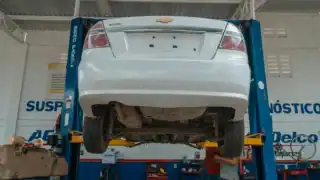
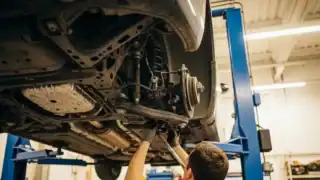
Our diagnostic process starts with a full visual inspection on a lift: we check every bush, ball joint, spring, damper, and anti-roll bar link. We measure suspension geometry angles to see if alignment has been thrown out by worn components. We then connect our up-to-date diagnostic equipment to read the vehicle’s suspension fault codes and sensor data. On European cars, this reveals problems that a simple bounce test would miss. Electronic dampers that are starting to fail, ride-height sensors that are drifting, or bearing preload issues all show up in the data before they become noticeable to the driver.
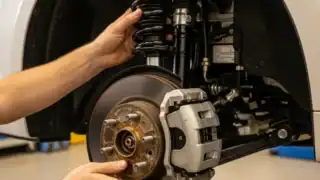
We inspect brake components at the same time, because worn suspension often loads your brakes unevenly and accelerates pad wear. Once we’ve completed the scan and physical inspection, we walk you through exactly what we’ve found, explain what needs fixing now versus what can wait, and discuss genuine parts options that meet OEM specification.
Genuine Parts, Warranty Protection, and Long-Term Reliability
European suspension repair costs vary widely depending on what’s actually failed and what parts you choose. A single worn control arm bush might cost less than a full suspension overhaul, but the symptom (clunking) can feel identical until you diagnose it. Availability matters too. Some OEM suspension components for older European models carry longer lead times, especially if supply chains are strained. We stock common items locally and can source harder-to-find parts quickly because we know our suppliers well.
You have a choice between genuine OEM parts and quality aftermarket equivalents. Genuine parts guarantee fitment and performance to specification, and they protect your vehicle’s warranty if it’s still under manufacturer cover. Aftermarket parts are often cheaper but vary in quality. We recommend genuine parts for safety-critical suspension components like control arms and dampers, especially on newer vehicles. For bushes and wear items, good-quality aftermarket alternatives often perform well at lower cost.
Turnaround depends on parts availability and how many components need replacement. A simple damper replacement might take a few hours. A full suspension refresh on a complex European model, or one requiring parts to be ordered, could take several days. We’ll always give you realistic expectations upfront so you’re never caught out by surprise delays.
Why Choose Shire Tune & Service for European Suspension Work
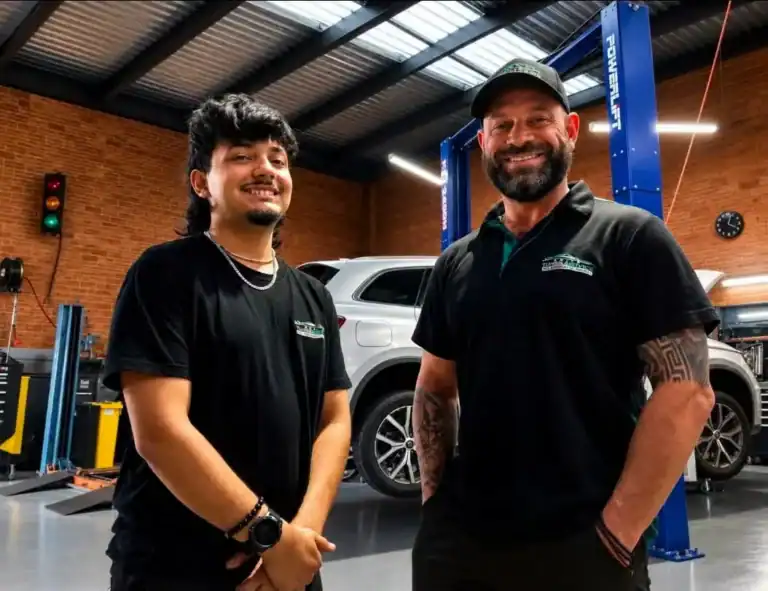
We’re European vehicle specialists with the diagnostic tools and hands-on experience that dealerships use, but without the markup or the pressure to upsell. Our owner-operator approach means you get continuity of care and honest advice from someone who actually knows your car by sight after 18 years in Kirrawee. We don’t recommend work you don’t need. We do recommend work that keeps you safe and your European car handling the way it should.
Every minor service includes a free 30-point inspection on European vehicles, which means suspension issues often get caught early at no extra charge. We use genuine parts where they matter, we protect your manufacturer warranty, and we keep transparent records so you know exactly what’s been done and why.
Book Your Suspension Inspection in Kirrawee
If your European vehicle has lost its sharpness through the corners, feels soft under braking, or you’ve noticed any of the warning signs above, book your free inspection today. Call Us Today or Book Your Free Inspection using our online booking to get on the schedule. We’ll diagnose the issue properly and explain your options without any surprise costs or pressure.