Chinese vehicles have grown steadily in the Australian market, bringing models from brands like MG, LDV, Chery, BYD, and GWM to Kirrawee and across the Sutherland Shire. Many owners discover that suspension tuning and repair for these vehicles requires a mechanic who understands their specific engineering, geometry, and diagnostic protocols. A Chinese vehicles suspension specialist brings that expertise to bear, ensuring your vehicle’s handling, comfort, and safety align with how the manufacturer engineered it.
Why Chinese Vehicle Suspension Demands Specialist Knowledge
Chinese vehicle manufacturers have developed their own suspension architectures, damping profiles, and diagnostic scan protocols. Unlike European or Japanese vehicles with decades of local service history, Chinese vehicle suspension systems embed software calibrations and sensor thresholds that differ meaningfully from their Western counterparts. A mechanic trained only on general suspension work may misread diagnostic codes, apply incorrect torque specifications, or recommend parts that do not align with the vehicle’s original engineering. When you bring your Chinese vehicle to a suspension specialist in Kirrawee who understands the brand, you avoid guesswork and get work aligned with what the manufacturer intended.
Common Suspension Signs in Chinese Vehicles
Several warning signs suggest your Chinese vehicle’s suspension needs professional inspection.
- Clunking or rattling noises over bumps, especially from the front or rear corners
- Steering wheel vibration or pulling to one side during braking
- Uneven tyre wear, commonly from misaligned suspension geometry
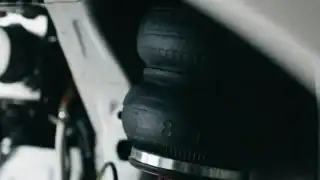
- A spongy or overly stiff ride, indicating worn dampers or faulty air springs (on models equipped)
- Warning lights on the dashboard related to suspension systems, particularly electronic stability control faults
- Increased stopping distance or a squishy brake pedal combined with suspension movement
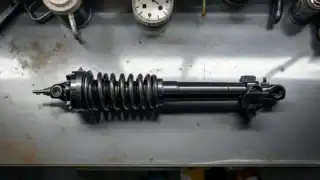
- Visible damage to struts, coil springs, or sway bar links following rough roads or potholes
These symptoms develop across all vehicle makes, but Chinese vehicles sometimes display them earlier due to local road conditions, loading patterns, or initial component tolerance. The Shire’s mix of suburban roads, coastal terrain, and occasional rough rural routes places real demands on suspension components.
What a Chinese Vehicles Suspension Specialist Actually Does
Diagnosis begins with a full suspension inspection, not just listening to complaints. We use electronic diagnostic tools to read suspension sensor data, check for stored or pending fault codes, and measure ride height and damping performance. For Chinese vehicles, this includes scanning electronic stability control modules, ride-height sensors, and any air suspension components specific to the model.
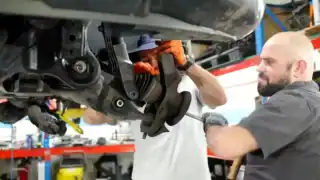
Next, we perform a physical inspection. This involves checking strut and shock absorber condition, measuring spring compression, inspecting sway bar links and bushings for wear, examining ball joints and tie rod ends, and assessing wheel alignment against the manufacturer’s specifications. Many Chinese vehicles use multi-link rear suspensions that respond sensitively to alignment changes, so precise measurement matters.
We then wheel-align the vehicle using a four-wheel alignment machine, ensuring camber, caster, and toe-in match the vehicle’s design geometry. Misalignment accelerates tyre wear and steering issues, so this step is critical. If we find worn components, we discuss options: genuine OEM parts from the Chinese manufacturer, approved aftermarket alternatives, or upgraded performance parts if you choose them.
For more complex work, such as air suspension repairs on newer MG or LDV models, or electronic damping adjustments on performance variants, we may need to source specialist components. This is where having a supplier network and up-to-date technical information matters.
Cost and Timeframe Factors for Suspension Work
Cost depends on what needs replacing. A simple sway bar link might cost modest parts plus labour. Strut replacement, a more involved job, increases cost due to parts and time on the alignment machine. Air suspension repairs can be dearer if compressor, valve blocks, or sensor units fail, though many Chinese vehicles use conventional spring suspension that costs less to repair.
Parts availability for Chinese vehicles has improved but remains less immediate than for Toyota or Honda. We work with our supplier network to source genuine or approved equivalent parts, which may add a day or two. We never hold your vehicle waiting; we tell you upfront what we need and when to expect it.
Labour time varies. A basic strut replacement and alignment typically takes half a day. Multi-link rear suspension work or electronic damping diagnostics can extend to a full day. Suspension work is not rushed; doing it properly protects your safety and the vehicle’s long-term handling.
Why Shire Tune & Service is Your Local Suspension Specialist
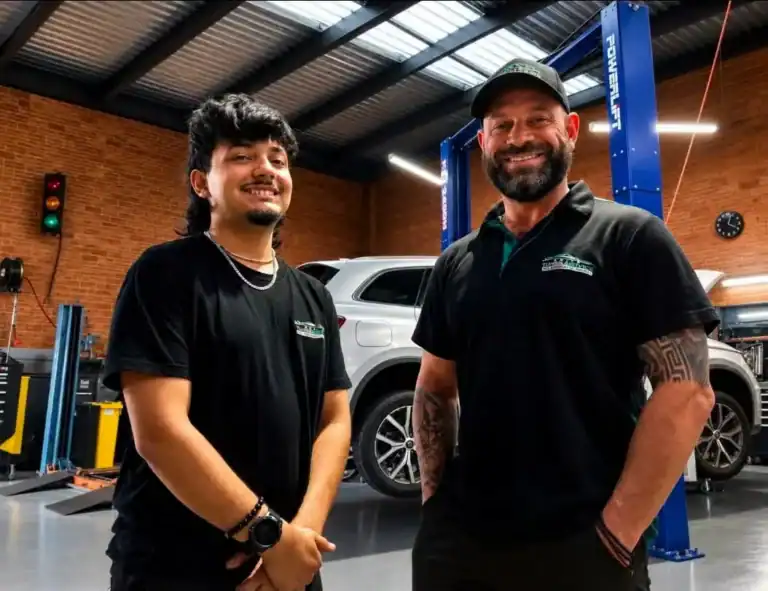
Over 30 years’ hands-on experience means we have seen suspension wear patterns across countless vehicles and road conditions. We have invested in up-to-date diagnostic equipment capable of reading Chinese vehicle scan data accurately, not guessing based on symptoms alone. Our 18 years serving Kirrawee and the local area mean we understand the roads here: coastal humidity that corrodes components, hilly terrain that stresses dampers, and rough surfaces that demand sound suspension geometry.
We are honest about what needs fixing. We do not upsell alignment services you do not need or recommend full suspension rebuilds when worn links are the real problem. Transparent pricing means you know the cost before we start work. We use genuine or approved equivalent parts that protect your vehicle’s engineering integrity, and our work does not affect your manufacturer warranty.
If your Chinese vehicle’s suspension feels uncertain over bumps, pulls to one side, or shows warning lights, the Kirrawee roads demand precision work. Call Us Today to discuss your suspension concerns, or Book Your Free Inspection online. We will diagnose the issue properly and explain what you need to keep your vehicle feeling smooth and safe.