A Japanese vehicles suspension check is one of the most important safety inspections you can do, yet many owners put it off until something feels obviously wrong. Your suspension system does far more than keep your ride smooth—it controls how your car handles corners, manages weight transfer under braking, and keeps your tyres firmly planted on the road. When suspension components start to wear, handling becomes imprecise, braking distances increase, and tyre wear accelerates. At Shire Tune & Service in Kirrawee, we’ve spent over 30 years inspecting and repairing suspension systems across Japanese makes, and we know exactly what to look for on your model.
Warning signs your Japanese vehicle needs a suspension check
Don’t wait for a major failure. Most suspension wear announces itself through small changes in how your car behaves. If you notice any of these, bring your vehicle in for a thorough inspection.
- Clunking or knocking noises from the front or rear, especially over bumps or during cornering
- Excessive bouncing after hitting a bump, with the car taking longer to settle
- Pulling to one side when braking or accelerating
- Uneven tyre wear, particularly on the inner or outer edges of the tread
- A spongy or vague feeling through the steering wheel
- The front end dipping significantly when you brake hard
- Leaking fluid near the wheels, often a sign of worn shock absorber seals
- Rattling or creaking sounds when the car turns
Japanese vehicles, whether Toyota, Mazda, Honda, Subaru, Nissan, or Mitsubishi, tend to wear suspension components in predictable patterns. Many Japanese models are engineered for longevity, but age and Australian road conditions accelerate wear on ball joints, bushes, and dampers. We’ve serviced thousands of Japanese vehicles across the Shire, and we know which components typically fail first on each model.
What happens during a Japanese vehicles suspension check
A proper suspension check goes far beyond a visual glance. We use a systematic approach that combines hands-on inspection with up-to-date diagnostic tools to uncover wear that the untrained eye easily misses.
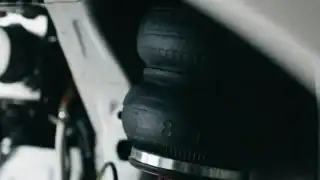
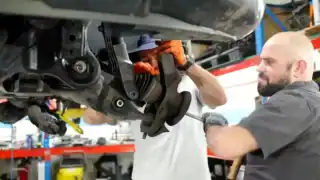
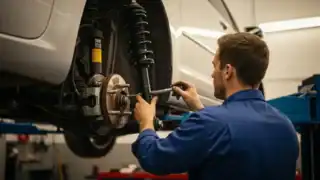
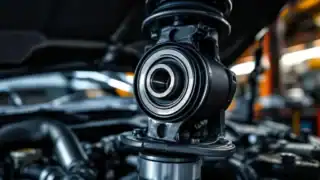
We start by lifting the vehicle and physically inspecting every suspension component. This includes ball joints, control arm bushes, tie rod ends, sway bar links, and shock absorbers. We flex and move each connection point to feel for play or movement that shouldn’t be there. We check for cracks in bushes, fluid leaks from dampers, and visible damage to any metal component. We also inspect the struts and springs for signs of rust, corrosion, or physical damage.
Next, we check your tyres in detail. Uneven wear patterns tell us exactly which suspension components are struggling. If the inside edges are wearing faster than the outside, it often points to worn ball joints or bushes. If one tyre is wearing while the opposite side stays fresh, alignment or suspension geometry issues are usually the culprit. We check tyre pressure and overall condition as part of this assessment.
For Japanese vehicles with electronic steering or stability control systems, we also scan for any suspension-related fault codes. Many modern Japanese models have sensors on dampers or suspension geometry that flag issues before they become dangerous. Our diagnostic equipment reads these codes and helps us identify problems you can’t see with your eyes alone.
Finally, we perform a brief test drive to assess how the vehicle handles under load. We listen for noises, feel how it responds to corners, and note how it settles after bumps. This real-world feel confirms what we’ve found during the physical inspection and gives us a complete picture of your suspension’s condition.
What affects suspension repair costs and timeframes
The cost of suspension work depends on several honest factors. First is the extent of wear. A single worn bush might be inexpensive to replace, but if we discover multiple components need attention, costs increase. Second is parts availability and whether we use genuine Japanese OEM parts or quality aftermarket alternatives. Third is labour time. Some components sit in accessible locations and take minutes to replace. Others require removing multiple parts just to reach them.
The age of your vehicle also matters. Older Japanese vehicles sometimes have rusted fasteners that take longer to remove safely. Newer models often need careful alignment checks or electronic resets after suspension work. We always explain what we find before starting any work, so you know exactly what’s involved and what it will cost.
Some repairs happen the same day. Others require parts to be ordered, especially if you need OEM-specification components for a specific Japanese model. We’ll be upfront about timing and keep you informed every step of the way.
Why Kirrawee drivers trust Shire Tune & Service for suspension work
We’ve been servicing Japanese vehicles locally for over 18 years, and we’ve built our reputation on honest advice and fair pricing. We don’t push unnecessary work or recommend parts you don’t need. Our owner-operator approach means you’re dealing with someone who’s hands-on and accountable. We have the latest diagnostic equipment to accurately identify suspension faults, and we specialise in Japanese makes, so we understand the specific engineering and service schedules of your vehicle.
We use genuine parts that align with your vehicle’s original specifications, which protects your warranty and maintains long-term reliability. Our transparency on pricing means no surprises when your invoice arrives. We stand behind our work with over 30 years’ hands-on experience and treat every vehicle like it belongs to someone we know personally.
Book a suspension check in Kirrawee today
If you’ve noticed any of the warning signs listed above, don’t wait. Worn suspension components affect safety and accelerate damage to other parts of your vehicle. Call Us Today or Book Your Free Inspection online, and we’ll give you a clear picture of what your suspension needs. We service the Kirrawee area and surrounding suburbs with the same commitment to quality and honesty that’s defined Shire Tune & Service for three decades.