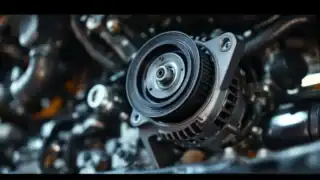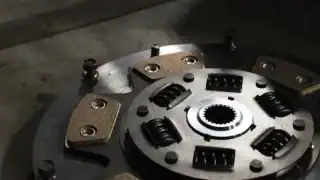
A timing chain is a critical component in your Hyundai’s engine that synchronises the crankshaft and camshaft rotation, ensuring your engine’s valves open and close at precisely the right moment. Unlike a rubber timing belt that needs replacement every 100,000 kilometres or so, a timing chain is designed to last the life of the vehicle. When a Hyundai timing chain replacement becomes necessary, it signals a serious issue that demands professional attention. At Shire Tune & Service in Kirrawee, we’ve handled countless Hyundai timing chain jobs across the Sutherland Shire, and we know exactly what to look for and how to approach this significant repair safely and thoroughly.
Signs Your Hyundai’s Timing Chain Needs Replacement
Timing chains fail gradually, and the warning signs often start subtly before they become impossible to ignore. Listen carefully to your Hyundai’s engine when you start it cold. A rattling or grinding noise from the front of the engine, particularly for the first few seconds after ignition, is one of the most common indicators that the chain has stretched or become loose. This noise happens because the chain is no longer maintaining proper tension against the sprockets.
Other symptoms to watch for include:
- Check engine warning light, especially if the fault code relates to cam timing or variable valve timing (VVT) systems, which are fitted to many modern Hyundai models
- Rough idling or misfire, caused by the engine losing synchronisation between crankshaft and camshaft
- Loss of power during acceleration, as the engine can’t fire cylinders in the correct sequence
- Oil leaks from the timing chain cover, indicating wear and seal degradation around the chain housing
- A noticeable decrease in fuel efficiency, as the engine compensates for timing drift
Some Hyundai owners only discover a problem when the chain breaks completely, leaving them stranded. This is why listening to your engine and addressing early symptoms matters. A stretched chain can fail suddenly, potentially causing internal engine damage if the pistons and valves collide.
How We Diagnose and Replace Your Hyundai’s Timing Chain in Kirrawee
We start with a proper diagnostic scan using our up-to-date equipment, checking the cam timing fault codes and actual timing measurements on your specific Hyundai model. Different Hyundai engines use different chain designs and tensioner systems. A Hyundai i30 petrol engine, for example, differs from an i40 diesel, and we’re familiar with the quirks and procedures for each. Our diagnostic approach reveals whether the chain itself is worn, whether the tensioner has failed, or if the sprockets are damaged.
Once we’ve confirmed the problem, we remove the timing cover, inspect the entire chain assembly, and assess the condition of the tensioner, guides, and sprockets. A stretched chain often indicates that the tensioner (a hydraulic component that maintains chain tension) has worn out or failed. If we replace the chain without addressing the tensioner, you’ll face the same problem again in a few years.
Our replacement process includes draining and refilling the engine oil, as timing chain work disturbs oil passages and old oil can contain metal particles from chain wear. We use Hyundai-specification engine oil and genuine or equivalent parts that match your vehicle’s original design. This protects your engine and maintains your manufacturer warranty. Once everything is reassembled, we run diagnostic checks again to verify proper cam timing and confirm there are no remaining fault codes.
What Affects Timing Chain Replacement Cost and Time
A Hyundai timing chain replacement is not a quick job, and the labour time varies depending on your engine type and how much additional work is needed. Some Hyundai models require the removal of the intake manifold, alternator, or power steering pump to access the timing cover. If the chain has broken and caused valve or piston damage, the repair scope expands significantly.
The availability of parts also plays a role. Genuine Hyundai parts are usually available locally, but if we uncover additional wear on the sprockets or guides, we’ll discuss replacement options with you upfront. We never surprise you with unexpected charges; we inspect thoroughly, explain what we find, and discuss the best approach before proceeding.
Your vehicle’s service history and mileage matter too. A timing chain that fails at 80,000 kilometres suggests a manufacturing defect or tensioner failure, while one showing wear at 200,000 kilometres reflects normal age. We tailor our advice accordingly.
Why Choose Shire Tune & Service for Your Hyundai Timing Chain Work
We’re a local, owner-operated workshop with over 30 years of hands-on experience and 18 years serving Kirrawee and the surrounding Shire. Hyundai is one of our specialties, along with other Japanese makes. We have the diagnostic equipment to pinpoint timing chain issues accurately, and we use genuine parts or certified equivalents that protect your Hyundai’s warranty and reliability. Our philosophy is honest advice and fair pricing, no upselling and no surprises. You’ll always know what’s wrong, why it needs fixing, and what it’ll cost before we start work. When you bring your Hyundai to us, you’re working with someone who’s been in the trade long enough to see what goes wrong and how to fix it properly the first time.
If you’ve noticed rattling on cold start or received a timing-related fault code, Call Us Today to Book Your Free Inspection. We’ll diagnose the issue, discuss your options, and get you back on the road safely.