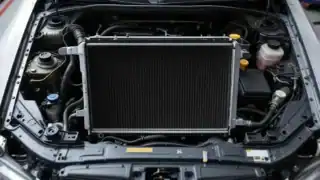
A Holden radiator flush is one of those services that doesn’t get much attention until something goes wrong. Your cooling system works hard to keep engine temperature stable, and over time, coolant breaks down, picking up rust particles, mineral deposits, and sludge. A radiator flush replaces that old fluid with fresh coolant, restoring your Holden’s ability to shed heat efficiently. In Kirrawee, where you might face anything from suburban commutes to coastal drives, a well-maintained cooling system means reliable operation and fewer roadside surprises.
Signs Your Holden’s Cooling System Needs Attention
Most drivers don’t think about their radiator until the warning light comes on. Watch for these real indicators that a flush is overdue:
- Temperature gauge creeping towards the hot zone, especially in traffic or uphill driving
- Sweet smell from the engine bay (coolant has a distinctive odour)
- White or orange residue visible around hose connections or the radiator neck
- Coolant level dropping between services without visible leaks
- Slow cabin heater response, even when the engine is warm
- Milky or rust-coloured coolant visible in the overflow tank
Some Holden owners bring their cars in for logbook servicing and we spot coolant condition before it becomes a problem. Others ignore the fluid until the engine overheats. A Holden radiator flush performed on schedule keeps you in the first camp.
How a Radiator Flush Works on Holden Models
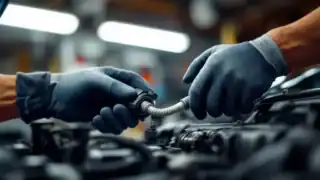
The process is straightforward, but it requires the right approach for your Holden’s specific design. We start by raising the vehicle safely and locating the radiator drain plug and coolant filler cap. The old coolant drains completely, and we flush the system with clean water to remove sludge and debris that simple draining leaves behind. This is especially important in Holdens that have been running degraded coolant for a long time.
Next, we refill the radiator with Holden-approved coolant that meets the manufacturer’s specifications. This matters more than many owners realise. Using the wrong coolant type can cause corrosion inside the cooling passages or affect heat transfer efficiency. We check the concentration (usually 50/50 coolant and water) and top up the overflow reservoir. Once the engine runs, we bleed trapped air from the system, which can cause pockets that reduce cooling performance.
We also inspect hoses, clamps, and the water pump while we’re in there. A weak hose or failing pump puts you back in the workshop weeks after a flush. Our diagnostic approach means catching those problems early.
What Determines Cost and Turnaround Time
A Holden radiator flush is not a one-size-fits-all job. Several factors affect how long it takes and what you’ll invest:
Vehicle model and age: Older Holden models sometimes have tight radiator locations that make access slower. Newer vehicles may have integrated plastic tanks that require careful handling. We assess your specific car before quoting.
Coolant condition: If the system is heavily sludged, flushing takes longer and sometimes requires a second pass to remove built-up deposits.
Additional work: If we find a leaking hose, corroded clamp, or weak water pump during inspection, addressing those prevents a repeat visit and protects your investment in fresh coolant.
Parts availability: Genuine Holden coolant is our standard unless you request an approved equivalent. Sourcing usually isn’t an issue, but we’ll confirm availability upfront so there are no surprises.
We never guess at timings. You’ll know what’s needed and why before we start work, and we’ll be transparent if additional attention is necessary.
Why Shire Tune & Service Handles Holden Cooling Services Well
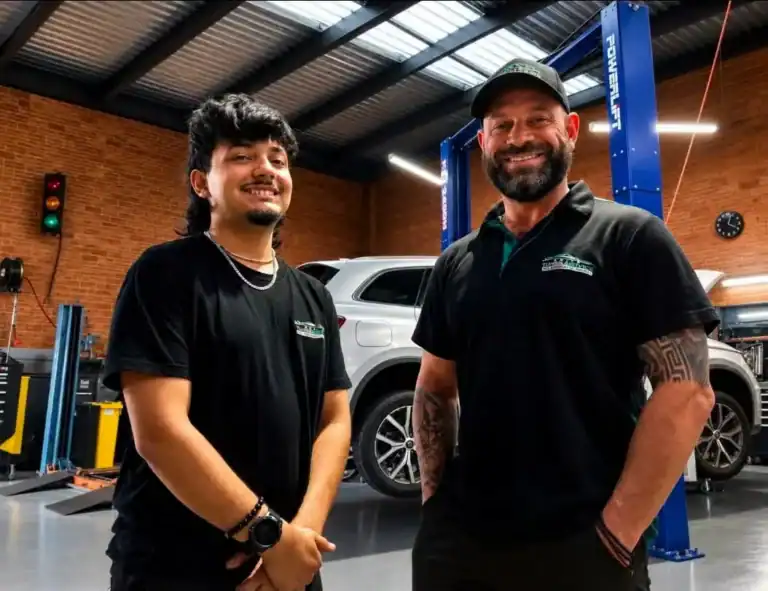
We’ve been servicing Holdens across the Sutherland Shire for over 18 years. That experience means we understand common cooling system issues specific to different Holden generations. Some models are prone to thermostat wear; others develop heater hose cracks early. We know what to look for and prevent costly failures down the track.
Our diagnostic equipment lets us read Holden engine data and confirm cooling system health beyond what a visual inspection shows. We use genuine or OEM-equivalent coolant that protects your warranty and matches Holden’s engineering standards. No shortcuts, no cheaper fluids that compromise longevity.
You get honest advice here. If your coolant is marginal but still safe for another 6,000 kilometres, we’ll say so. If it’s deteriorated to the point where flushing is urgent, we’ll explain why and what happens if you wait. That’s how we’ve earned the trust of Kirrawee and local families over nearly two decades.
Holden Engine Radiator Flush and Long-Term Cooling Health
A Holden engine radiator flush isn’t just about swapping old fluid for new. It’s preventive maintenance that extends the life of your entire cooling system. Fresh coolant improves heat dissipation, reduces corrosion inside the engine block and cylinder head, and protects the water pump and heater core from damage caused by degraded fluid. For Holden owners in Kirrawee committed to keeping their vehicles reliable, regular flushing on schedule (typically every 40,000 to 60,000 kilometres, depending on your model) is one of the simplest ways to avoid expensive repairs later.
We document every flush in your service history, which matters if you ever sell your car or need warranty support. Dealerships and buyers alike appreciate proof that cooling system maintenance was taken seriously.
Next Steps
If you’ve noticed any cooling system symptoms or simply want to confirm your Holden’s radiator health, call us today to discuss your situation. You can also book your free inspection online, and we’ll give you a clear picture of your cooling system’s condition and what’s needed to keep it running reliably.