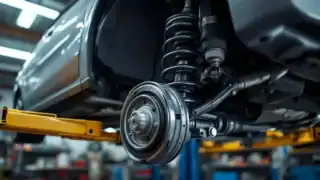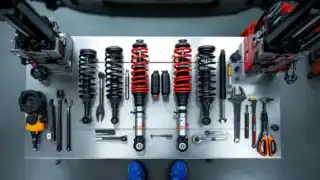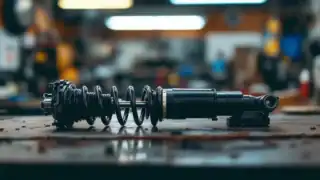
Volkswagen shock absorber replacement is one of those suspension repairs that catches a lot of owners by surprise. Your shocks do more than just smooth out bumps. They control how your car sits on the road, how the weight transfers during braking and cornering, and whether your tyres stay planted to the asphalt. When shocks wear out, the whole driving experience changes. That’s why we inspect them carefully during services at Shire Tune & Service in Kirrawee, and why we take shock absorber replacement seriously for any Volkswagen that’s showing the signs.
Warning Signs Your Volkswagen Shock Absorbers Are Wearing Out
Worn shock absorbers don’t announce themselves with a warning light. Instead, you’ll notice the car feeling different to drive. The most common symptom is a bouncy or floating sensation after you hit a bump. A car with good shocks will settle down quickly. A car with worn shocks will continue bouncing, sometimes for several seconds. This isn’t just uncomfortable. It affects braking stability and handling, especially on rough roads or during emergency stops.
Other signs include:
- Nose-diving sensation when you brake hard
- Excessive body roll when cornering
- Uneven tyre wear, particularly at the edges
- Clunking or rattling noises from the suspension
- The car sitting lower on one side than the other
- Difficulty keeping the vehicle stable on bumpy roads
If you’re noticing any of these, a proper suspension inspection is essential. We check the shocks visually (looking for oil leaks or physical damage) and test them through their full range of movement to see how quickly they control the rebound.
How Volkswagen Shock Absorbers Wear and What to Expect
Volkswagen models vary in suspension design. A Golf or Polo sits lower and stiffer than a Passat or Tiguan, so the shock absorbers on each handle different loads and response demands. Over time, the internal valving inside a shock degrades. The fluid that controls damping breaks down, and the seals wear. Eventually, the shock can’t control the suspension movement properly.
How long shocks last depends on several factors. Frequent city driving with potholes and rough surfaces accelerates wear. Heavier loads and towing do the same. Normally, we see Volkswagen shock absorbers lasting between 60,000 and 100,000 kilometres, though some cars need them earlier. We always check them as part of a suspension service because waiting until they fail completely puts extra strain on your springs, bushes, and tyres.
What We Do When Replacing Volkswagen Shock Absorbers
We start with a full suspension inspection. This isn’t just looking at the shocks. We check the springs, suspension bushes, anti-roll bar links, and steering components. A shock absorber replacement often reveals other wear items that should be addressed at the same time, especially if your Volkswagen’s been on the road for several years.
Once we’ve diagnosed what needs doing, we remove the old shocks carefully and inspect the mounting points for damage or corrosion. We clean and treat these areas if needed, so the new shocks sit properly. We fit genuine Volkswagen shocks or OEM-equivalent parts that match your vehicle’s specification. For Volkswagen models, this matters because the spring rates and dampening are tuned to the chassis and engine weight.
We then test the vehicle, paying attention to ride height, handling response, and any noises. A proper shock replacement should feel immediate. The car should settle smoothly after bumps, the steering should feel responsive, and the nose dive when braking should be gone. We’ll also rotate the tyres and check wheel alignment if wear patterns suggest it’s needed.
Cost and Time Factors for Shock Absorber Replacement in Kirrawee
The cost of shock absorber replacement varies based on several real factors. Which shocks you choose matters. Genuine Volkswagen shocks cost more than pattern parts, but they’re engineered to factory specification and typically last longer. We offer both options and explain the difference honestly, so you can decide what suits your car and your budget.
The vehicle model also affects price. Replacing shocks on a Golf is usually more straightforward than on a Tiguan or Touareg, where there’s more complexity in the mounting system. Some Volkswagen models require alignment checks after the job. If your car has electronic suspension components or air suspension, diagnostic work and software calibration may be involved.
Turnaround time is typically one to two days for a straightforward replacement on most Volkswagen models, though this depends on parts availability and whether other suspension items need attention. We’ll give you a clear timeframe once we’ve done the inspection and know what we’re dealing with.
Why Shire Tune & Service Handles Volkswagen Suspension Work Well
We’ve got over 30 years’ experience in suspension repair and diagnostics. More importantly, we’ve been working on European vehicles like Volkswagens in the local Kirrawee and Sutherland Shire area for 18 years. We have the diagnostic equipment to test shocks properly and the knowledge to understand how different Volkswagen models behave when suspension components wear.
We don’t upsell. If your shocks are serviceable, we’ll tell you. If they need replacing, we’ll explain exactly why, show you the options, and let you decide. We use genuine parts where they make sense and aren’t afraid to recommend quality aftermarket alternatives when they’re appropriate. Your warranty stays protected because we service to manufacturer specifications.
If you’ve noticed your Volkswagen bouncing after bumps, pulling to one side, or feeling unstable on rough roads, book your free inspection with us. We’ll check the shocks, diagnose any other suspension wear, and give you honest advice on what’s needed and what it costs. Book Your Free Inspection or Call Us Today to speak with the team at Shire Tune & Service in Kirrawee.