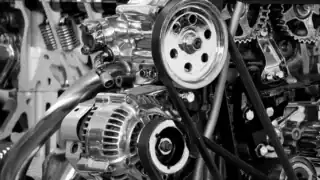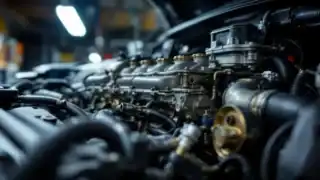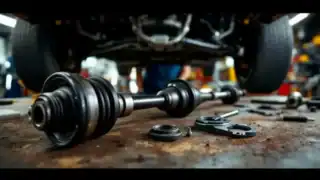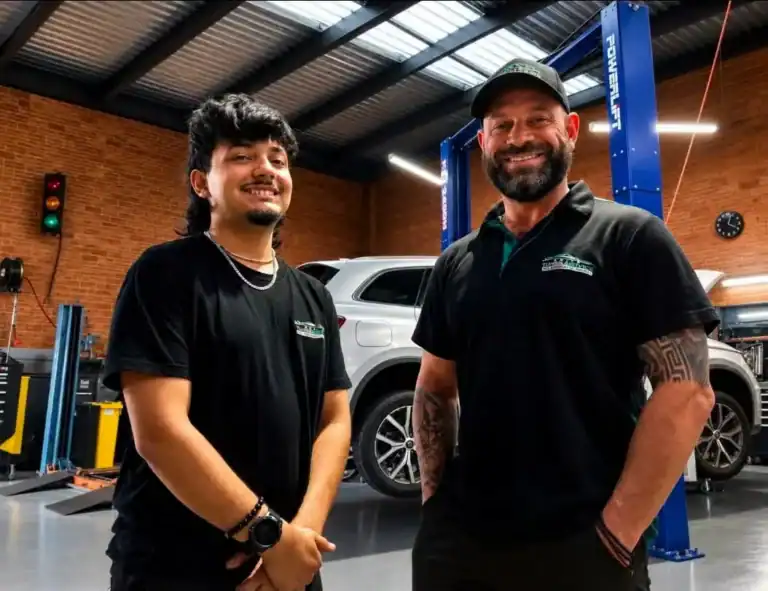
Your LDV timing belt is one of the most critical components in your engine. It synchronises the rotation of your crankshaft and camshaft, ensuring that your engine’s valves open and close at precisely the right moment during each combustion cycle. When a timing belt fails, the consequences are severe: your engine stops, and internal damage can occur in seconds. At Shire Tune & Service in Kirrawee, we specialise in LDV timing belt replacement using manufacturer-specification parts and diagnostic procedures tailored to LDV vehicles. Understanding when this service is due and what’s involved helps you avoid unexpected breakdowns and protects your engine’s long-term health.
When Does an LDV Timing Belt Need Replacement?
Most LDV vehicles follow a scheduled timing belt replacement interval based on kilometres or time, typically between 60,000 and 100,000 kilometres, depending on your model and year. Your vehicle’s logbook or service manual specifies the exact interval for your LDV. However, some warning signs suggest the belt may be failing before that interval arrives:
- A visible crack, fraying, or glazing on the belt itself
- A squealing or grinding noise from the front of the engine
- Rough engine idle or misfiring
- Difficulty starting the engine
- An oil leak near the timing belt cover area
If you notice any of these symptoms, bring your LDV in for inspection immediately. A failing timing belt can leave you stranded, and waiting past the scheduled interval puts your engine at serious risk.
What Happens During an LDV Timing Belt Replacement
An LDV cam belt replacement is a precision job that requires removing multiple components to access the belt and its surrounding parts. Here’s what our process involves:
Diagnostic and Inspection
We first confirm the belt’s condition by inspecting it visually and checking your service history. For LDV vehicles, we cross-reference your model-specific service schedule to ensure we’re performing the replacement at the right time and using the correct parts specification.
Removal and Component Access
We remove the engine covers, radiator hose brackets, and auxiliary components to expose the timing belt. We then remove the old belt carefully, noting its routing around the pulleys and tensioner. This step requires attention to detail because incorrect reinstallation will prevent the engine from running properly.
Tensioner and Pulley Inspection
While the belt is off, we inspect the tensioner pulley and idler pulleys for wear. These components support the belt and maintain correct tension. If they show signs of bearing wear, noise, or misalignment, we replace them as part of the service. This prevents premature failure of the new belt and saves you a return visit later.
New Belt Installation
We install a genuine LDV or OEM-equivalent timing belt, routing it precisely according to the manufacturer’s diagram. We set the belt tension to LDV specifications using a tension gauge or the method specified in the service manual. Incorrect tension causes either rapid wear or belt slip, both of which damage your engine.
Verification and Testing
After installation, we rotate the engine by hand to verify the belt sits correctly on all pulleys and that valve timing is correct. We then start the engine and listen for noise or unusual vibration. We perform a short test drive to confirm normal operation before you leave.
Cost and Time Factors for LDV Timing Belt Work in Kirrawee
Several factors affect the cost and duration of your LDV timing belt replacement. The complexity of accessing the belt varies between LDV models. Some vehicles require removal of the engine mount or intercooler to reach the belt, which adds labour time. The condition of associated components like the water pump, pulleys, and seals also influences the final cost. Some owners choose to replace the water pump at the same time as the belt, since it’s labour-efficient to do so while the front of the engine is open. Genuine LDV parts are more expensive than generic aftermarket alternatives, but they match your vehicle’s engineering specifications and protect your warranty. We discuss these options with you before starting work so you know exactly what you’re paying for and why.
Why Choose Shire Tune & Service for Your LDV Timing Belt Replacement
We’ve spent over 30 years working on vehicles across all major makes and models, with 18 years serving the local Kirrawee and Sutherland Shire community. We specialise in both European and Japanese vehicles, and our LDV experience spans multiple model generations. We use the latest diagnostic equipment and access to manufacturer service data, so we know exactly what your LDV needs and when. We provide honest advice without upselling unnecessary work. If your tensioner is still sound, we won’t replace it just to increase the invoice. We source genuine or manufacturer-equivalent parts that protect your warranty and engine longevity. Our transparent pricing means no surprise bills when the job is done. We understand that timing belt work is an investment, and we treat every vehicle with the care it deserves.
Ready to book your LDV timing belt replacement or get your belt condition checked? Call Us Today to discuss your vehicle’s needs, or Book Your Free Inspection online. We’re here to keep your LDV running reliably in Kirrawee.